Xiaomi TV FX Mini LED Series Hits India: A New Benchmark for Affordable High-End Display Tech
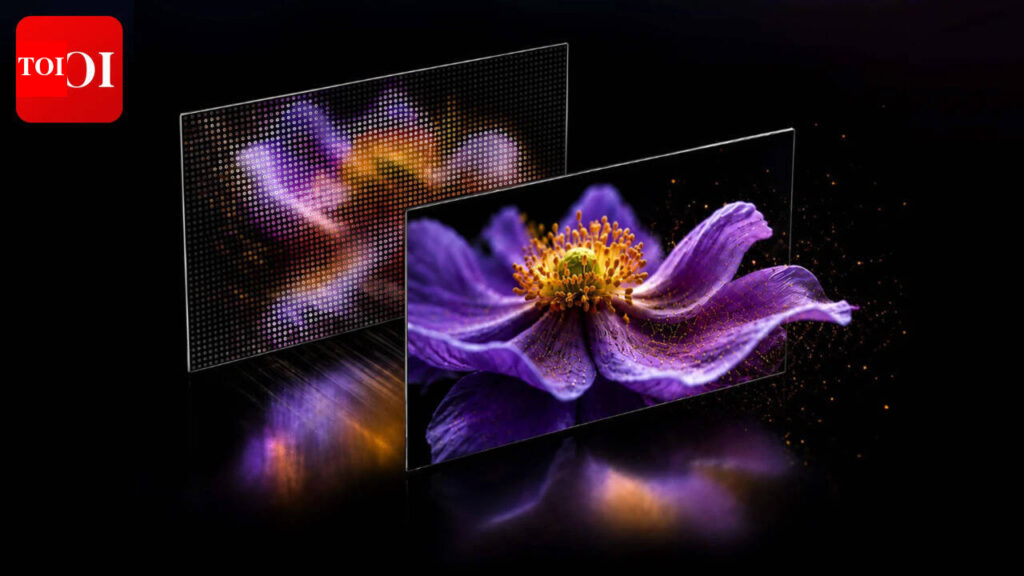
Table of Contents
A Strategic Shift in Display Strategy
Xiaomi has officially announced the India launch of its TV FX Mini LED series for June 4, marking a significant push into the high-end display market. While the company has long dominated the budget segment with its Mi TV and Xiaomi TV series, the FX line represents a deliberate attempt to bridge the gap between entry-level LED panels and prohibitively expensive OLEDs.
The arrival of the TV FX series comes at a time when Indian consumers are increasingly shifting toward larger screens (55-inch and above) and demanding higher peak brightness for well-lit living rooms. By leveraging Mini LED technology, Xiaomi is targeting the ‘premium-aspirational’ buyer—someone who wants the contrast of an OLED but requires the sustainment of high brightness that only LED backlighting can provide.
- Launch Date: The Xiaomi TV FX Mini LED series officially debuts in India on June 4.
- Technology: Uses Mini LEDs for superior contrast and precision local dimming.
- Market Position: Aims to disrupt the mid-to-high range segment, challenging traditional premium brands.
- Key Focus: Enhanced HDR performance and high peak brightness for diverse lighting environments.
Decoding the Tech: Why Mini LED Matters
To understand why the Xiaomi TV FX series is a notable release, one must understand the shift from standard LED to Mini LED. Standard LED TVs typically use a few large backlights or a global backlight, which often results in ‘blooming’—where light leaks from bright areas into dark ones, turning a black night sky into a murky grey.
Mini LED technology utilizes thousands of microscopic LEDs grouped into sophisticated local dimming zones. In the FX series, this allows the TV to shut off specific clusters of LEDs entirely while keeping other areas blindingly bright. The result is a contrast ratio that mimics OLED’s ‘perfect blacks’ without the risk of permanent burn-in or the lower peak brightness levels often found in WOLED panels.
Local Dimming and Contrast Control
The core of the FX series’ performance lies in its zone control. While Xiaomi hasn’t released the exact zone count for every SKU, industry benchmarks for the FX series suggest a significant increase in granularity over the previous QLED offerings. More zones mean fewer artifacts around subtitles and better definition in high-contrast scenes, such as a torchlight in a dark cave.
What This Means for the Indian Consumer
For the average viewer, the launch of the Xiaomi TV FX Mini LED series translates to a tangible upgrade in visual fidelity. Most Indian households deal with high ambient light during the day; standard LEDs often wash out, and OLEDs can struggle with glare. The FX series’ ability to push higher nits (peak brightness) means HDR content—like 4K Dolby Vision movies—will actually look as intended, with shimmering highlights that don’t blow out the image.
Moreover, this launch signals a price-performance correction. Historically, Mini LED was reserved for flagship models from Samsung (Neo QLED) or Sony. By introducing the FX series, Xiaomi is effectively democratizing a technology that was previously a luxury, likely pricing it aggressively to capture market share from the traditional ‘big three’ brands.
Technical Specifications and Integration
While final regional specs are pending the June 4 event, the FX series is expected to integrate tightly with the Google TV ecosystem. This provides a seamless interface and a vast library of apps, which has become the gold standard for smart TVs in India.
| Feature | Expected Specification | Benefit |
|---|---|---|
| Panel Type | Mini LED | Deep blacks, high contrast |
| HDR Standards | Dolby Vision / HDR10+ | Cinematic color accuracy |
| OS | Google TV | App ecosystem & Voice control |
| Audio | Integrated Soundbar/Dolby Atmos | Immersive acoustic experience |
| Refresh Rate | 120Hz (Selected Models) | Smoother gaming and sports |
Competitive Landscape: Xiaomi vs. The Giants
The Indian TV market is currently a battleground between aggressive pricing and brand legacy. Samsung and LG hold the premium fortress, while TCL and Hisense are fighting for the mid-range. Xiaomi’s entry with the FX series is a tactical move to move ‘upmarket’.
If Xiaomi can deliver a Mini LED panel that rivals the brightness of a Samsung Neo QLED but at 60-70% of the cost, they will likely see a surge in adoption among gaming enthusiasts and cinephiles. The challenge, however, remains in the ‘after-sales’ perception. While Xiaomi’s service network is vast, the complexity of Mini LED panels requires more specialized repair and calibration than basic LED screens.
Gaming Performance
Gaming is a primary driver for Mini LED adoption. With the integration of HDMI 2.1 and potentially VRR (Variable Refresh Rate), the FX series is positioned as a viable companion for the PlayStation 5 and Xbox Series X. The high contrast ensures that dark, atmospheric games (like Alan Wake 2 or Resident Evil) maintain their mood without losing detail in the shadows.
Expert Analysis: Is it the Right Move?
From an industry perspective, the FX series is a hedge against the volatility of the OLED market. OLEDs are stunning but fragile. Mini LEDs provide a ‘safe’ high-end experience—they last longer and perform better in bright rooms. By launching this in India, Xiaomi is acknowledging that the Indian consumer values longevity and versatility over the absolute purity of OLED blacks.
However, the success of the June 4 launch will depend on the actual number of dimming zones. Many ‘Mini LED’ TVs in the budget category use too few zones, leading to a ‘halo’ effect that negates the benefit of the technology. If the FX series implements a high zone-to-pixel ratio, it will be a genuine game-changer.
Frequently Asked Questions
Is Mini LED better than OLED?
It depends on your room. Mini LED is generally better for bright living rooms due to higher peak brightness and no risk of burn-in. OLED is superior for dark-room cinema experiences because of its per-pixel light control.
When will the Xiaomi TV FX be available in India?
The official launch event is scheduled for June 4, with sales likely starting shortly thereafter via Mi.com and major e-commerce platforms like Amazon and Flipkart.
Does the FX series support 4K gaming?
Yes, the FX series is designed for 4K resolution. Depending on the specific model, it is expected to support high refresh rates (up to 120Hz) and HDMI 2.1 for gaming consoles.
What is the difference between QLED and Mini LED?
QLED refers to the quantum dot film used for color. Mini LED refers to the backlighting technology. A TV can be both QLED and Mini LED, combining superior color with superior contrast control.
Will it come with Google TV?
Yes, Xiaomi continues its partnership with Google, ensuring the FX series runs on the Google TV platform for native Chromecast and Google Assistant integration.