Trump Intervenes as Iran and Israel Halt Missile Exchanges Amid Global Energy Volatility
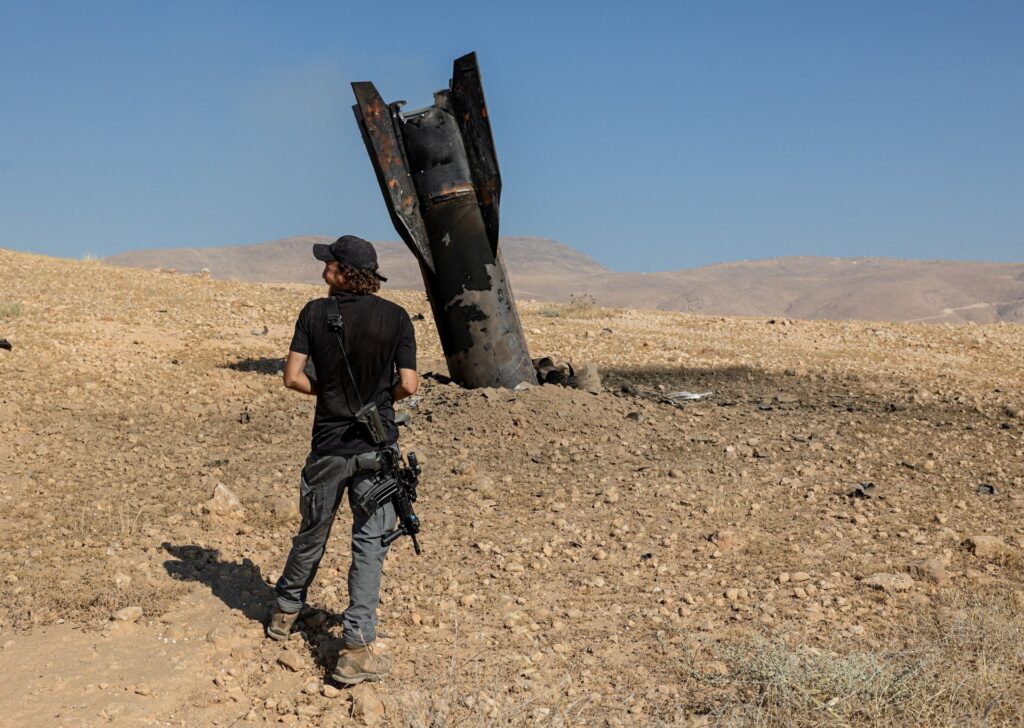
Table of Contents
A Fragile Pause in the Shadow of Hyper-Volatility
The volatile exchange of drone and missile strikes between Tehran and Tel Aviv has come to an abrupt, if precarious, halt. This ceasefire marks the first time the two adversaries have paused direct military engagements since the early April truce, but the silence is accompanied by aggressive rhetoric and a stark divide in strategic objectives.
The halt in hostilities follows a series of rapid-fire escalations. Iran announced it would cease attacks on Monday afternoon, though it explicitly linked this decision to Israeli behavior in southern Lebanon. Shortly thereafter, Israeli media reported that Prime Minister Benjamin Netanyahu agreed to refrain from further strikes on Iranian soil, citing a direct request from U.S. President Donald Trump.
While the immediate kinetic violence has subsided, the underlying friction remains. Netanyahu maintained that Israel has already succeeded in hitting the “terror regime in Tehran,” but he remained adamant that the Israeli Defense Forces (IDF) would continue operations against Hezbollah in Lebanon. This distinction—targeting Iran-linked proxies versus the Iranian state itself—remains the primary flashpoint that could trigger a return to full-scale regional war.
The Trump Factor and the Struggle for Control
The role of the White House in this particular de-escalation has been remarkably overt. President Trump took to Truth Social, stating that “Israel and Iran must stop ‘shooting’,” and later underscored his dominance in the diplomatic process during an interview with the Financial Times. “I call the shots. I call all the shots,” Trump remarked, specifically referring to his influence over Netanyahu.
Reports of a contentious phone call between Trump and Netanyahu last week suggest a growing rift. The U.S. President reportedly ordered the Israeli leader to back down from strikes on Beirut, a move that caused significant friction within the Israeli government. This dynamic highlights a precarious balancing act: Trump is pursuing a comprehensive deal with Tehran to stabilize energy markets, while Netanyahu views the continued neutralization of Hezbollah as a non-negotiable security imperative.
Strategic Targets and Economic Shockwaves
The intensity of the recent strikes underscores the high stakes of this conflict. The Israeli military confirmed that its air force executed an “extensive strike” targeting strategic defense systems across Iran, including high-value facilities at the petrochemical complex in Mahshahr. These strikes were designed to degrade Iran’s long-range capabilities and industrial infrastructure.
The economic repercussions of these military movements were felt instantly in global commodities markets. Brent crude, the international oil benchmark, spiked back above $97 a barrel as traders feared a closure of the Strait of Hormuz—a critical chokepoint for global energy supplies. The current U.S.-Iran ceasefire extension is explicitly aimed at reopening the Strait and easing the energy price surges that have plagued the global economy since February 28.
The Lebanon Paradox
Despite the halt in direct strikes between the two nations, the situation in Lebanon remains an active war zone. On Monday afternoon, as airports across the region began to reopen, the AFP reported an Israeli strike on a vehicle in Tyre, south Lebanon. Simultaneously, the IDF intercepted three projectiles fired from Lebanon into northern Israel.
Tehran has long maintained that any sustainable truce with Washington must include a total cessation of hostilities in Lebanon. However, Israel continues to expand its footprint in southern Lebanon, claiming it is pursuing Hezbollah fighters who continue to launch drones and rockets. With Hezbollah rejecting the U.S.-brokered ceasefire, the region remains one miscalculation away from a wider conflagration that would likely render the current diplomatic efforts obsolete.