Beyond the Spec Sheet: Why Real-World User Data is Now the Only Way to Crown the Best TV of 2026
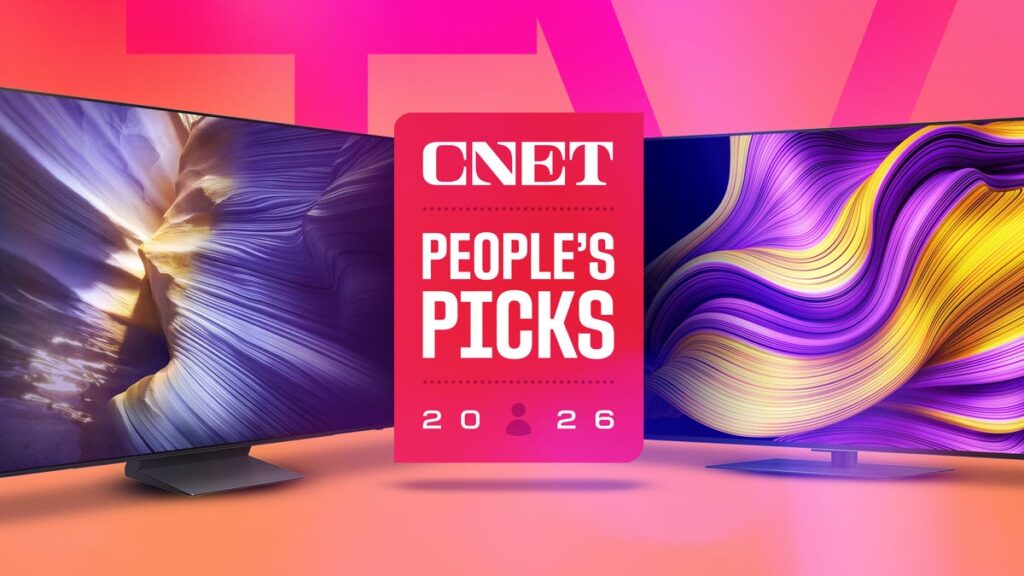
Table of Contents
The Gap Between Lab Benchmarks and Living Rooms
For years, the quest for the ‘best’ television has been a war of numbers. We chase peak brightness measured in nits, refresh rates in Hertz, and contrast ratios that promise perfect blacks. But anyone who has spent three hours navigating a bloated smart TV menu or struggling with a ‘perfect’ OLED that reflects every single window in the room knows that spec sheets are a sanitized version of the truth.
As we move through 2026, the delta between laboratory performance and actual user experience has widened. With the arrival of next-generation QD-OLED panels and the aggressive push toward AI-driven upscaling across LG, Samsung, and Sony lineups, the technical differences are becoming marginal. What actually matters now is the ‘invisible’ performance: how a TV handles a low-light action sequence in a dimly lit room, how reliably the HDMI 2.1 ports handshake with the latest consoles, and whether the OS remains snappy after six months of app updates.
This is why GizStreet is pivoting its approach to the 2026 hardware rankings. While our internal testing provides the baseline, we are launching a comprehensive user-driven survey throughout June to capture the data that benchmarks miss.
The ‘Invisible’ Metrics of Display Tech
When a reviewer tests a TV, they do so in a controlled environment. But consumers live in the ‘real world’—a place with varying ambient light, diverse viewing angles, and unpredictable content sources. A panel that scores 9.5/10 in a dark room might be a nightmare in a sun-drenched suburban living room.
We are specifically looking for data on the long-term stability of these sets. For instance, while the 2026 OLED lineups claim near-total immunity to burn-in, real-world usage patterns—like leaving a news ticker or a gaming HUD on screen for eight hours a day—provide the only true stress test. Similarly, the efficacy of AI-upscaling is subjective; what one user sees as ‘cinematic clarity,’ another sees as ‘over-processed soap opera effect.’
The OS Friction Point
Hardware is only half the battle. The software layer—whether it’s Google TV, Tizen, or WebOS—often dictates the actual value of a television. The frustration of a lagging interface or the intrusion of aggressive ad-supported home screens can degrade the experience of a world-class panel.
By gathering a massive dataset of user sentiment, we aim to identify which brands are actually prioritizing the user interface over data-mining and ad-placement. If a premium OLED feels like a budget tablet because of its sluggish software, it cannot be the best TV of the year, regardless of its color accuracy.
How the 2026 Rankings Will Be Determined
The voting window is open for the duration of June. This isn’t a popularity contest; it’s a data-collection effort. We are asking users to categorize their sets by budget, size, and primary use case (gaming, cinema, or general broadcasting). This allows us to segment the ‘Best of’ list into meaningful categories: the best for hardcore PS5/Xbox gamers, the best for bright-room environments, and the best value-to-performance ratio.
The resulting data will be synthesized with our internal lab results to create a weighted score. This hybrid model ensures that a TV must both perform on paper and satisfy the person holding the remote.
Whether you are rocking a massive 85-inch Mini-LED or a curated 42-inch OLED for a bedroom setup, your input is the missing piece of the technical puzzle. The survey takes roughly three minutes and is available via our community portal through the end of the month.