The Architecture of Connection: Robert Moor’s ‘On Trails’ Maps the Intersection of Nature and Network
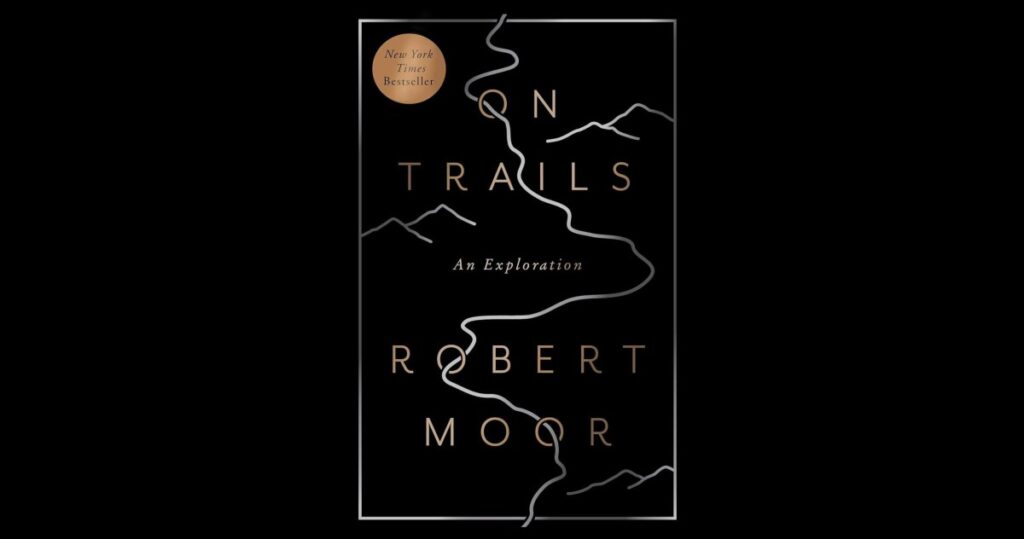
Table of Contents
Beyond the Thru-Hike
At first glance, Robert Moor’s On Trails: An Exploration appears to be another entry in the crowded genre of wilderness memoirs. The prologue begins with the familiar allure of the Appalachian Trail, and the opening chapters lean into the expected rhythms of the outdoor narrative—stunning vistas, the brutal reality of Newfoundland’s Western Brook Pond, and the humbling experience of being pinned down by a mountain storm. But for those expecting a standard travelogue, Moor quickly pivots, transforming a personal journey into a sprawling intellectual inquiry.
Moor doesn’t just walk the trails; he analyzes the very concept of the ‘line.’ What begins as a study of footpaths evolves into a multidisciplinary examination of how movement defines existence, from the biological blueprints of ant colonies to the invisible architecture of the modern web. It is a book that treats the physical act of hiking as a metaphor for the way humans organize information and space.
From Pheromones to Fiber Optics
The narrative shift occurs early and decisively. By the second chapter, the focus moves from the solitude of the woods to the collective intelligence of insects. Moor explores the fine linguistic distinctions of movement and the biological imperatives that drive the creation of trails. This transition serves as a bridge to a much larger thesis: that the desire to connect two points—whether via a dirt path or a data packet—is a fundamental driver of evolution and civilization.
The book’s most compelling segments are those where Moor bridges the gap between the organic and the artificial. He delves into the vision of Vannevar Bush, the 1945 engineer who conceptualized a ‘Memex’—a proto-internet designed to augment human memory by creating associative links between pieces of information. Moor argues that these digital links are the spiritual successors to the game trails of animals and the trade routes of early humans. In this framework, the internet isn’t a departure from nature, but a high-speed iteration of a primal instinct to leave a traceable path for others to follow.
The Cost of the Path
Moor avoids the trap of romanticizing the wilderness. He weaves in a sobering analysis of colonialism, noting that many of the trails we celebrate today were forged through displacement and conquest. The paths that now provide ‘spiritual rejuvenation’ for the modern hiker were often the same arteries used to facilitate the extraction of resources and the erasure of indigenous presence. This tension adds a necessary layer of gravity to the prose, preventing the book from becoming mere escapism.
The writing itself mimics the journey. Moor shifts tones with an agility that keeps the reader off-balance in the best way possible. He can move from a poetic description of the ‘gauzy scrim’ between sublimity and horror during a storm to a comedic anecdote about losing a flock of sheep during a stint as a shepherd, all without losing the thread of his central argument.
Mapping the Invisible
Ultimately, On Trails is less about the gear and the mileage of the Appalachian Trail and more about the mental maps we construct to navigate the world. By quoting poet Gary Snyder and dissecting the mechanics of fiber optic cables, Moor illustrates that we are always on a trail, whether we are stepping through the mud of a forest or scrolling through a hyperlinked web of data.
For a reader immersed in the digital age, the book serves as a reminder that our most advanced technologies are grounded in ancient, terrestrial patterns. It is a rare piece of non-fiction that manages to be both a technical exploration of network theory and a deeply human reflection on our place within the landscape.