The $200 MacBook Air Gamble: Is Refurbished Intel Hardware Still Viable in 2026?
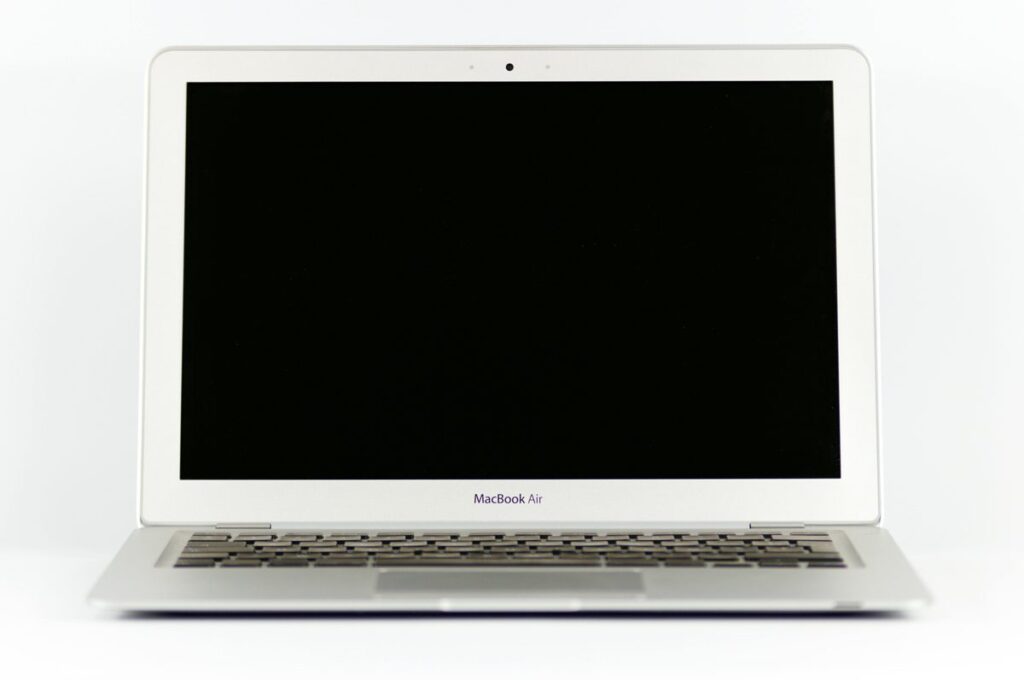
Table of Contents
The return of the ‘Budget’ Mac
For years, Apple has maintained a strict pricing floor, rarely letting its laptop lineup dip below the $800 mark, even for the base-model MacBook Air. However, a new wave of Grade A/B refurbished units has hit the secondary market, with 13-inch MacBook Air models now appearing for as low as $199.97. While the price point is enticing—effectively costing less than a base-model iPad—it raises a critical question for consumers in 2026: is Intel-based Mac hardware still functional, or is this simply e-waste with a sleek chassis?
The specific model in question features the 1.8GHz Intel Core i5 processor paired with 8GB of RAM and a 128GB SSD. On paper, these specifications are a relic of the mid-2010s. In an era where Apple Intelligence and M-series chips have redefined the baseline for macOS performance, the gap between this machine and a modern MacBook is a canyon.
The hardware reality check
To understand the appeal, one has to look at the use case. For a student who primarily needs a word processor, or a traveler who requires a lightweight machine for basic web browsing and email, the MacBook Air’s 2.96-pound frame remains a gold standard in industrial design. The 13.3-inch widescreen display and the reliable keyboard feel of this era are still preferable to many entry-level Chromebooks found at the same price point.
However, the technical compromises are significant. The Intel HD Graphics 6000 cannot compete with the integrated GPUs in the M1, M2, or M3 chips, meaning any attempt at video editing or heavy multitasking will likely result in thermal throttling and the infamous ‘jet engine’ fan noise that plagued Intel Macs. Furthermore, 128GB of storage is restrictive; after the macOS installation, users are left with very little room for local files, effectively forcing a reliance on iCloud or external drives.
Navigating the ‘Grade A/B’ Risk
The steep $800 discount from the original $999 MSRP is driven by the device’s refurbished status. Apple’s official refurbished store typically handles a tighter certification process, but Grade A/B third-party listings imply a different reality. Potential buyers should expect cosmetic imperfections—light scratches, small dents, or scuffs—that do not affect functionality but do impact resale value.
The more pressing concern is battery degradation. While the original spec boasts a 12-hour battery life, refurbished lithium-ion batteries rarely hold their original capacity. Users opting for this deal should budget for a potential battery replacement within the first year of ownership if they intend to use the device away from a power outlet.
Who is this actually for?
This deal is not for the power user, the creator, or anyone expecting to run the latest version of macOS with seamless fluidity. However, as a ‘beater’ laptop—a secondary machine used for risky browsing, a dedicated writing tool, or a first computer for a child—the value proposition is hard to ignore. Getting the macOS ecosystem for under $200 is a rarity.
As Apple continues to push the industry toward ARM-based architecture, these Intel machines are becoming legacy hardware. While they offer a cheap entry point, they serve as a reminder of how drastically the performance floor has shifted in the last few years.