Apple Shifts to ‘Live-Style’ Demos at WWDC 2026 Following $250 Million False Advertising Settlement
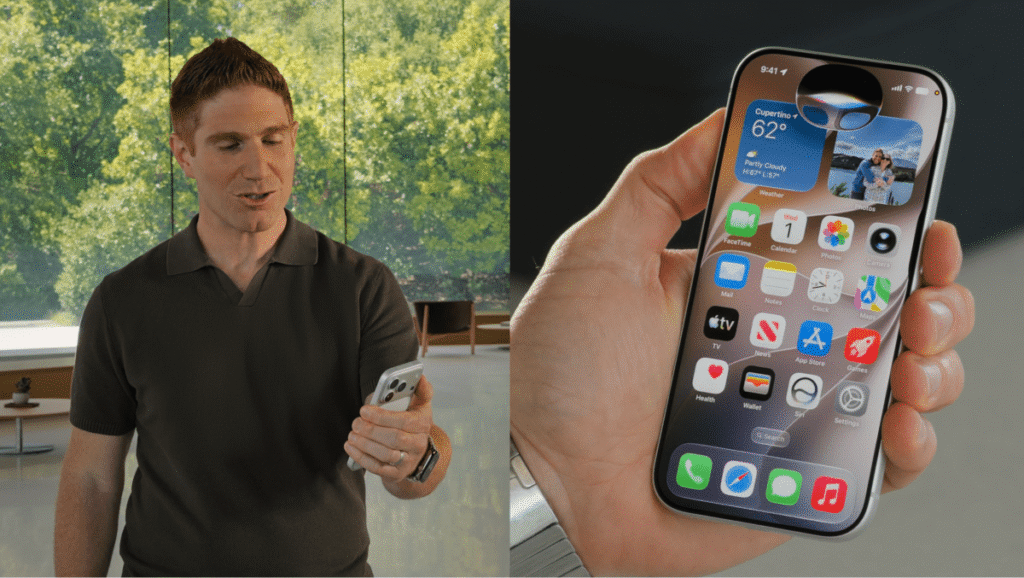
Table of Contents
A Change in Presentation Strategy
The atmosphere at Apple’s 2026 Worldwide Developers Conference (WWDC) felt less like a futuristic reveal and more like a corporate accountability session. Rather than leading with a singular, disruptive vision, the keynote focused heavily on iterative refinement: fixes to the controversial ‘Liquid Glass’ design, a long-overdue overhaul of the system search function, and incremental updates to the Playground feature.
However, the most significant shift wasn’t in what Apple announced, but how it chose to prove those features existed. For the first time in recent memory, Apple leaned into a ‘live-style’ demonstration format. Instead of the cinematic, highly edited sizzle reels that characterized previous years, many Apple Intelligence demos featured a split-screen view: one shot of a presenter physically interacting with a device in real-time, and a second shot showing the screen’s response.
While these segments were pre-taped and not truly live, the change in medium is a calculated move to distance the company from the ‘vaporware’ accusations that plagued its 2024 announcements. By showing a human hand pressing buttons and a device reacting without the benefit of invisible cuts, Apple is attempting to signal that these features are no longer conceptual prototypes, but shipping code.
The Cost of Misplaced Optimism
This pivot is a direct response to a bruising period for Apple’s reputation. Two years ago, during WWDC 2024, the company unveiled a sweeping vision for Apple Intelligence and a reimagined Siri through slickly produced videos. At the time, the narrative was one of imminent arrival for users of the iPhone 15 Pro and M1-series chips. The reality proved far more complicated.
By March 2025, the company admitted to Daring Fireball that delivering the promised capabilities was taking longer than anticipated. This gap between marketing and reality culminated in a federal lawsuit alleging false advertising. The litigation posed a systemic risk to Apple’s brand identity—a brand traditionally built on the premise that its hardware and software ‘just work’ upon arrival.
Last month, Apple closed that chapter by agreeing to a $250 million settlement. While the company did not admit to any wrongdoing as part of the deal, the financial hit and the public scrutiny have clearly influenced the editorial direction of the 2026 keynote. The implicit message of Monday’s presentation was clear: the era of ‘promise-ware’ is over.
Expanding the AI Ecosystem
Alongside the shift in presentation, Apple is altering its hardware gating strategy. In a notable departure from its typical upgrade-cycle pressure, the new Siri and associated AI features will not be locked exclusively to the newest hardware. According to the company, the overhauled AI capabilities coming with iOS 27 will be compatible with the iPhone 15 Pro, 15 Pro Max, and all iPhone 16 models and later.
Given that the current flagship is the iPhone 17, this decision means a significant portion of the user base who upgraded within the last two years will not be forced into a new purchase to access the promised intelligence. It is a rare concession from Cupertino, likely intended to mollify a customer base that felt misled by the 2024 promises regarding iPhone 15 compatibility.
Device Compatibility Breakdown
The rollout of these features extends across the broader ecosystem to ensure consistency in the AI experience:
- iPads: iPad mini (A17 Pro) and all iPad models with M1 chips or later.
- Macs: MacBook Neo (A18 Pro) and all Mac models with M1 chips or later.
- Wearables: Apple Watch Series 10, Ultra 2, and Apple Watch SE 3 (when paired with a compatible iPhone).
- Spatial Computing: Apple Vision Pro.
By broadening the hardware support and adopting a more transparent demonstration style, Apple is attempting to rebuild the trust it eroded during the initial rush to compete in the generative AI arms race. The 2026 keynote wasn’t about the ‘magic’ of AI—it was about the reality of it.