Intel’s Arc G3 Strategy: A Direct Assault on the Handheld Gaming Market
Intel is pivoting its Arc G3 architecture to target the handheld PC market, challenging AMD's dominance in devices like the Steam Deck and ROG Ally.
Intel is pivoting its Arc G3 architecture to target the handheld PC market, challenging AMD's dominance in devices like the Steam Deck and ROG Ally.
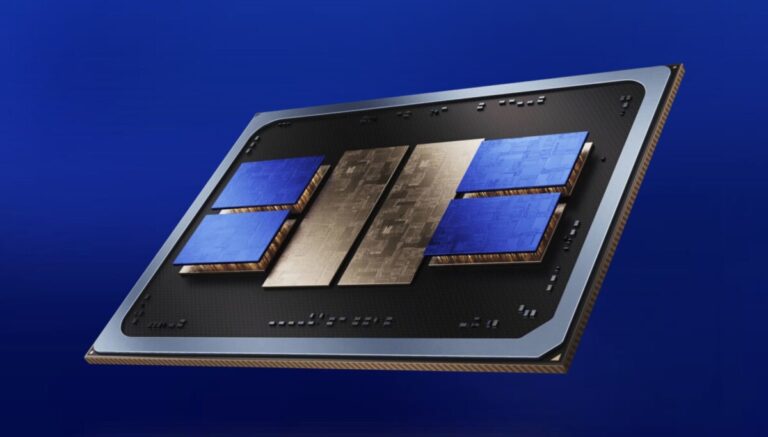
Intel reveals Diamond Rapids Xeon at Computex, boosting core counts to 192 while officially abandoning Hyper-Threading in a major architectural pivot.

While TSMC dominates the leading edge, GlobalFoundries, UMC, and SMIC are dominating the critical 'trailing-edge' chips that power cars, AI servers, and defense systems.
The US Department of Commerce has clarified that export controls on advanced AI semiconductors apply to Chinese-parented firms regardless of their global location.

Huawei proposes the Tau Scaling Law as a replacement for Moore's Law, arguing that traditional transistor density gains are hitting a physical wall.
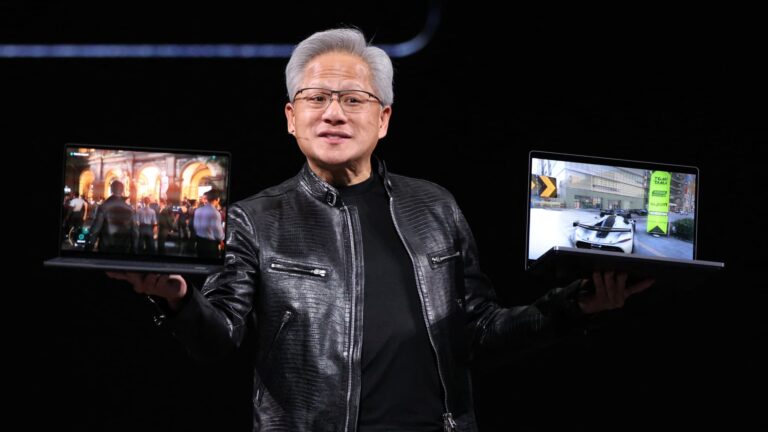
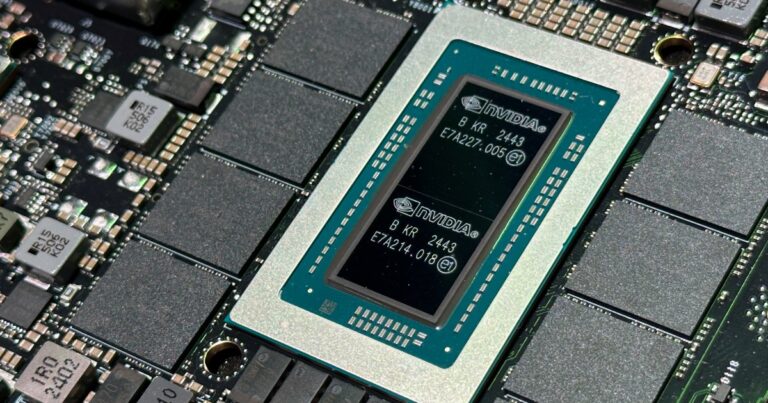
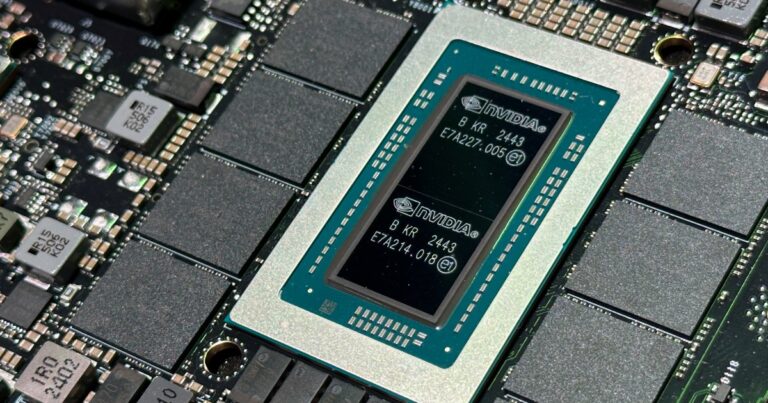
Nvidia enters the PC processor market with the Arm-based N1X chip and RTX Spark superchip, partnering with Microsoft, Dell, and HP to disrupt the x86 status quo.
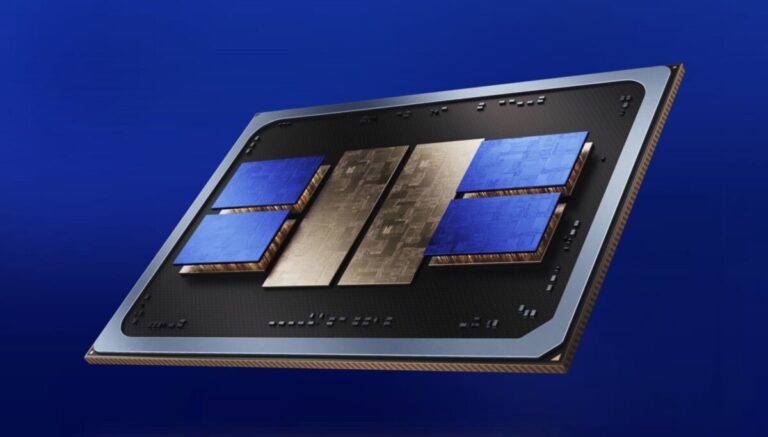
Intel unveils Diamond Rapids Xeon at Computex, pushing core counts to 192 using 18A process, while officially dropping simultaneous multithreading (SMT).

While TSMC dominates the leading edge, GlobalFoundries, UMC, and SMIC are carving out high-value specialties in automotive, IoT, and industrial silicon.

Rumors of Nvidia's N1X and N1 chips suggest a shift toward Arm-based SoCs for Windows laptops, challenging Apple and Qualcomm's dominance in AI efficiency.
The US Bureau of Industry and Security (BIS) clarifies that AI chip export restrictions apply to Chinese-parented companies regardless of their global location.