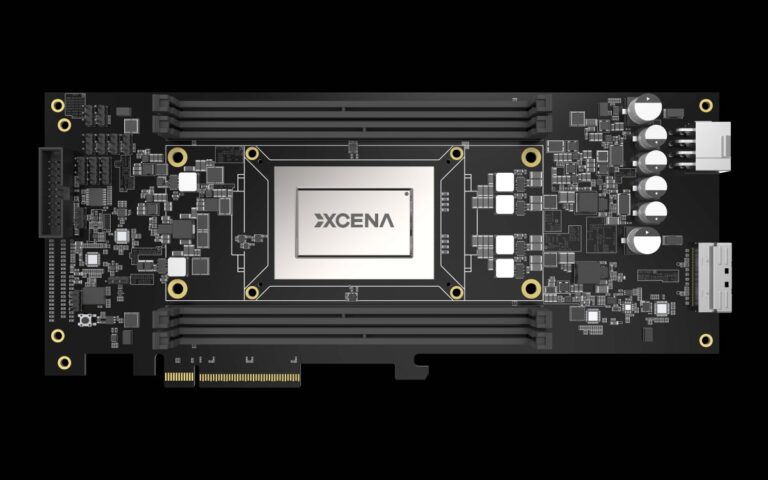
The Memory Wall: XCENA Raises $135M to Move AI Compute Inside the DRAM
Chip startup XCENA secures $135M to challenge the 'memory wall' in AI infrastructure by integrating compute directly into DRAM via CXL technology.
Chip startup XCENA secures $135M to challenge the 'memory wall' in AI infrastructure by integrating compute directly into DRAM via CXL technology.

Huawei is proposing 'Tau Scaling' as a successor to Moore's Law, aiming to bypass the physical limitations currently facing 2nm chip production.

While TSMC chases the leading edge, GlobalFoundries, UMC, and SMIC are carving out a critical empire in mature-node silicon for automotive, AI power, and defense.

The AI boom is triggering a memory chip shortage. Discover how the shift toward HBM and enterprise DRAM is hiking prices for laptops, consoles, and SSDs.

Huawei is challenging the traditional Moore's Law with a new 'Tau Scaling' framework, aiming to sustain computational growth as 2nm nodes hit physical limits.

Nvidia is aggressively funding photonics technology, committing $6.5 billion to bypass the energy and heat limitations of copper-based electrical data transfer in AI clusters.

While TSMC dominates the 3nm race, GlobalFoundries, UMC, and SMIC are strategically scaling the 'trailing-edge' nodes that power the global automotive and industrial sectors.

Valve has increased the price of the Steam Deck OLED as memory and storage costs surge, driven by the industry-wide shift toward AI data center infrastructure.
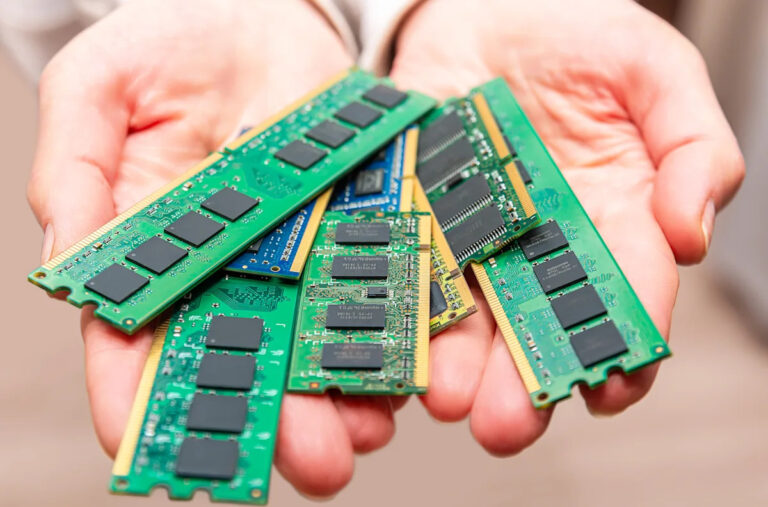
From gaming consoles to laptops, consumer electronics are seeing price hikes as Samsung, Micron, and SK Hynix prioritize AI-driven High-Bandwidth Memory (HBM).

Snowflake is committing $6 billion to Amazon's Graviton processors and AI accelerators over five years to scale its Cortex AI platform and reduce compute friction.