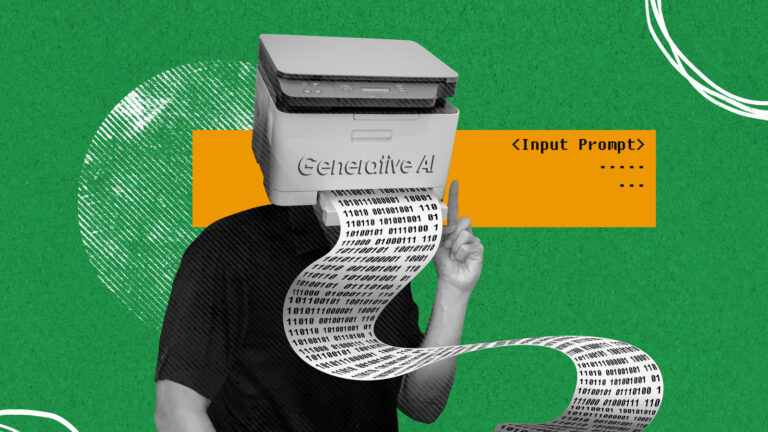
GPT-4.5 Outperforms Humans in Controlled Turing Test, But There’s a Catch
A new study from Stony Brook and UC San Diego reveals GPT-4.5 tricked judges 73% of the time in a Turing test, but only by mimicking a specific…
A new study from Stony Brook and UC San Diego reveals GPT-4.5 tricked judges 73% of the time in a Turing test, but only by mimicking a specific…

Google's rollout of AI Overviews has triggered a migration of power users toward DuckDuckGo, as concerns over accuracy and 'dead internet' vibes grow.
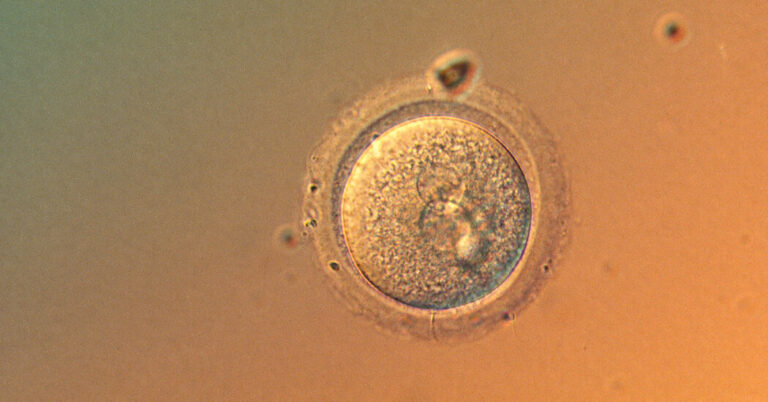
Columbia University researchers achieve unprecedented precision in human embryo gene editing using base editing, reducing the risks associated with traditional CRISPR.

A new study from the University of Exeter reveals that urban great bowerbirds in Australia are swapping natural decorations for colorful human plastics to attract mates.

Google is introducing Preferred Sources, allowing users to prioritize specific publishers in search results to bypass AI noise and generic rankings.
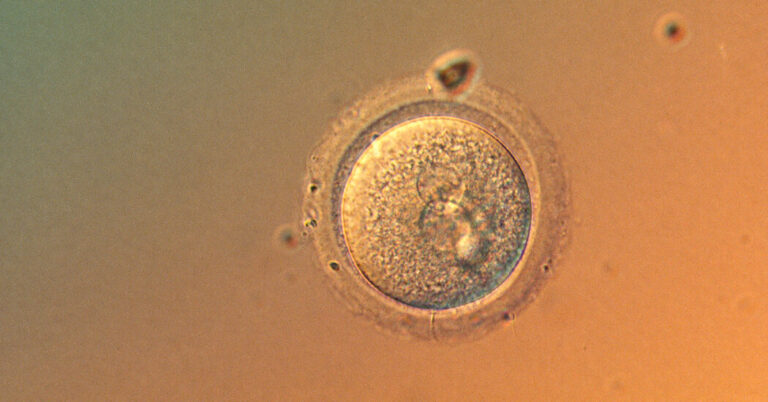
Researchers at Columbia University have used base editing to modify human embryo DNA with unprecedented precision, bypassing the risks of traditional CRISPR.

A new study from the University of Exeter reveals that urban great bowerbirds in Australia are ditching natural decor for human plastic waste to attract mates.

New data reveals 2025 was the costliest wildfire year on record, signaling a shift in how disasters impact high-value urban corridors over vast wilderness.

As OpenAI and other LLMs begin solving long-standing mathematical conjectures, the Leiden Declaration urges a shift toward human-centric understanding over algorithmic output.

New analysis shows 2025 wildfires caused record-breaking insured losses of $54 billion, driven by urban encroachment and high-value infrastructure damage.