The Final Countdown for TechCrunch Disrupt’s Startup Battlefield 200
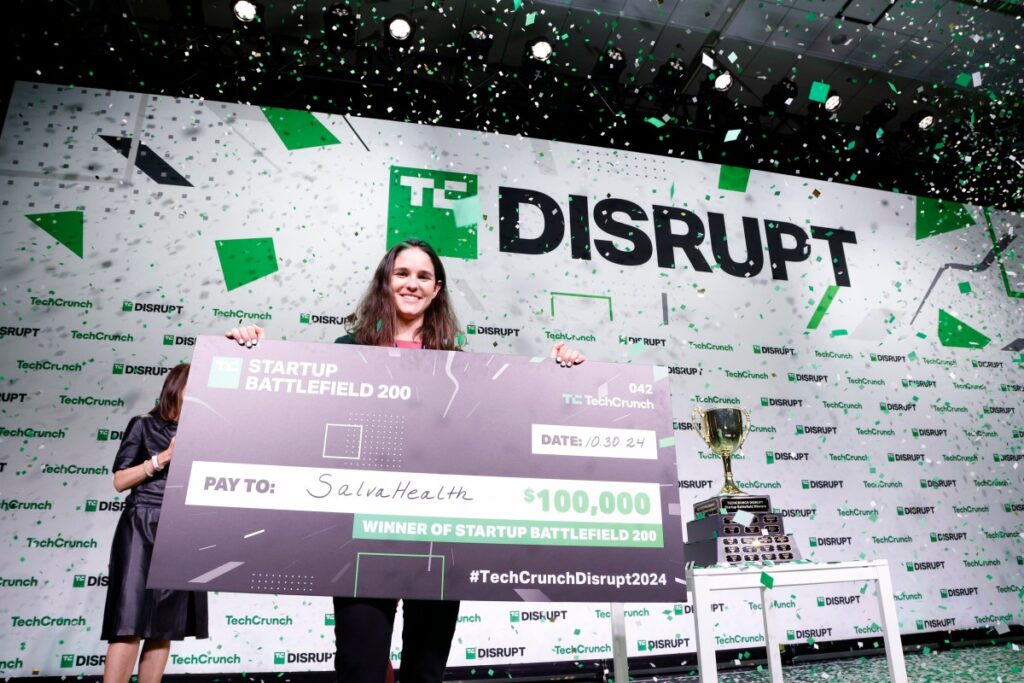
Table of Contents
The High-Stakes Sprint to June 8
For early-stage founders, the difference between remaining an unknown entity and becoming a recognized industry player often comes down to a single moment of visibility. That moment for hundreds of aspiring entrepreneurs is fast approaching. Applications for the Startup Battlefield 200 officially close on June 8 at 11:59 p.m. PT, marking the final cutoff for companies hoping to secure a spot on the Disrupt Stage at TechCrunch Disrupt 2026.
The competition, set to take place this October at San Francisco’s Moscone West, has evolved into more than just a pitch contest; it is a rigorous vetting process that serves as a signal to the broader venture capital ecosystem. With thousands of applications already submitted, the barrier to entry is high, reflecting a crowded but desperate market where founders are fighting for attention amidst an AI-saturated funding landscape.
More Than a $100,000 Check
On the surface, the headline draw is the $100,000 in equity-free funding awarded to the winner. However, for most participants, the monetary prize is secondary to the structural advantages provided by the program. The real value lies in the curated exposure to a dense concentration of top-tier investors, influential media members, and potential strategic partners.
The track record of the Battlefield alumni suggests that the platform acts as a legitimate catalyst for scale. To date, former competitors have collectively raised over $32 billion in capital and achieved more than 250 exits. This isn’t just a statistical curiosity; it represents a lineage of companies that transitioned from prototypes to household names. The alumni roster includes foundational tech staples such as Dropbox, Discord, Mint, Fitbit, and Trello—companies that utilized the Disrupt stage to validate their product-market fit before scaling aggressively.
The Acquisition Pipeline
The long-term trajectory for many Battlefield participants often leads to the balance sheets of the world’s largest tech conglomerates. A significant number of these startups have been acquired by the likes of Microsoft, Google, Salesforce, Uber, and Amazon. This pipeline indicates that the TechCrunch selection process often aligns with the M&A appetites of Big Tech, making the competition a strategic entry point for founders eyeing an eventual exit.
Who Qualifies? The Shift Toward Working MVPs
TechCrunch has signaled a specific appetite for this year’s cohort: they are looking for bold, early-stage startups that possess a working Minimum Viable Product (MVP). The era of the “idea-stage” pitch is largely over; the judges are seeking visionaries who can demonstrate tangible technical execution and a clear path toward disrupting a specific industry.
While the program is heavily skewed toward bootstrapped, pre-seed, and seed-stage companies, there is a nuanced opening for Series A startups, provided they operate in capital-intensive sectors where the scale of the challenge justifies the later stage of funding. This flexibility allows for deeper technical plays in fields like biotech, hard-tech, or advanced robotics, where the R&D cycle is naturally longer.
Navigating a Tightening Funding Market
The timing of the Startup Battlefield 200 is critical. The current fundraising environment has shifted from the “growth at all costs” mentality of 2021 to a more disciplined focus on unit economics and sustainable revenue. In this climate, the ability to pitch live in front of a global audience provides a rare level of leverage for founders.
By securing a spot in the 200, founders aren’t just competing for a trophy—they are effectively bypassing the cold-email gauntlet of traditional VC outreach. The programmatic nature of the event forces a concentrated amount of investor attention onto a small group of high-potential companies, creating a competitive bidding environment that can significantly improve valuation terms for the selected startups.
With the clock ticking toward the June 8 deadline, the window is closing for those looking to turn their MVP into a category-defining company on the San Francisco stage.