Summer Game Fest 2026: A Retreat to Single-Player Comfort in the Shadow of GTA VI
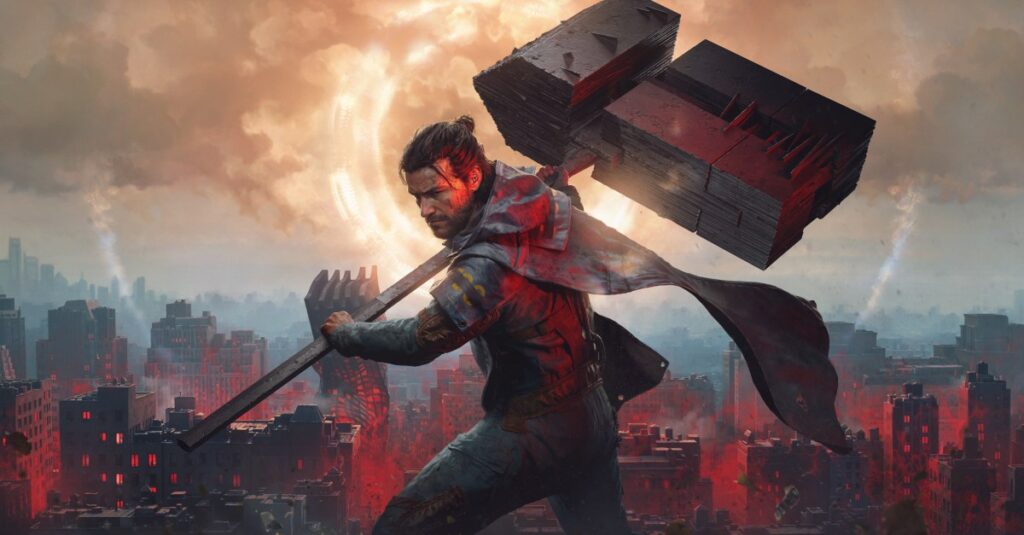
Table of Contents
The Industry’s Great Correction
Summer Game Fest 2026 didn’t just showcase a slew of new trailers; it served as a public admission of a failed era. For the last few years, the gaming industry’s obsession with ‘live-service’ ecosystems—games designed as endless loops of monetization and daily chores—has hit a wall of consumer fatigue and staggering development costs. The 2026 showcases from Sony and Microsoft signaled a decisive, if cautious, retreat back to the high-budget, single-player experiences that built their respective brands.
Sony’s presentation was a calculated move to remind the world why the PlayStation remains the home of the ‘prestige’ game. After several expensive and lukewarm attempts to break into the multiplayer-as-a-service market, the company leaned heavily into its strengths. The spotlight was dominated by Insomniac’s Wolverine and the unexpected reveal of God of War Laufey, both of which double down on tight, narrative-driven experiences. This pivot suggests a strategic realization that the risk-to-reward ratio of live-service titles is currently untenable for the average AAA studio.
The GTA VI Vacuum
The most striking aspect of the event was the silence regarding Grand Theft Auto VI. While the game didn’t appear in any major keynote, its gravitational pull was evident in every other announcement. In a move that felt like a coordinated retreat, publishers almost entirely avoided scheduling major releases for November 2026. The release calendar for that window is effectively a ghost town, as developers are terrified of being crushed by the inevitable launch of Rockstar’s latest behemoth.
Instead, we saw a congested September and a surprising number of titles being pushed into 2027. This ‘GTA Vacuum’ is creating a strange distortion in the industry’s quarterly earnings projections, as the world’s largest publishers essentially concede the final quarter of 2026 to a single title.
Xbox’s Identity Crisis
Microsoft found itself in a precarious position this year, attempting to balance its ‘gaming everywhere’ cloud strategy with the need to sell actual hardware. For a while, it seemed Xbox was abandoning the concept of the console exclusive entirely, porting first-party titles to the PlayStation 5 to maximize reach. However, the announcement of Gears of War: E-Day as a strict Xbox console exclusive suggests a slight course correction.
While titles like Fable and Halo continue to follow the multiplatform path, E-Day serves as a signal to the Xbox fanbase that the hardware still matters. Whether this is a genuine shift in philosophy or a desperate attempt to shore up dwindling console sales remains to be seen, but it represents the first time in years that Microsoft has drawn a line in the sand regarding platform exclusivity.
The Return of the Blockbuster RPG
Beyond the corporate maneuvering, the event provided genuine wins for RPG fans. Square Enix finally confirmed the conclusion of its ambitious project with Final Fantasy VII Revelation. The third and final entry in the remake trilogy is slated for a simultaneous multi-platform launch next spring, ensuring that the series ends on a global scale. The inclusion of the popular card game Queen’s Blood in the sequel indicates that Square Enix is paying close attention to community feedback regarding the series’ side-activities.
Atlus provided a more modest update, confirming that Persona 6 is officially in development. However, the lack of a trailer or concrete gameplay details suggests the project is still in its early stages, meaning fans of the social-sim RPG will likely be waiting until 2027 or 2028 for a full release.
Redemption and Indie Resilience
Remedy Entertainment also used the platform to pivot. Following the disastrous reception of the multiplayer shooter FBC: Firebreak, the studio is returning to its roots. Hands-on time with Control Resonant suggests a return to the surreal, mind-bending single-player action that made the original Control and Alan Wake hits. It is a textbook example of a studio correcting course after a failed experiment in genre-shifting.
On the indie front, the announcement of a new multiplayer-focused N series platformer from Metanet and a sequel to the cult-hit Hidden Folks (arriving a decade after the original) reminded the audience that while the AAA space is currently obsessed with risk mitigation, the indie scene remains the primary engine for genuine experimentation in the medium.