SpaceX S-1 Filings Reveal a High-Stakes Gamble on Starship’s Reusability
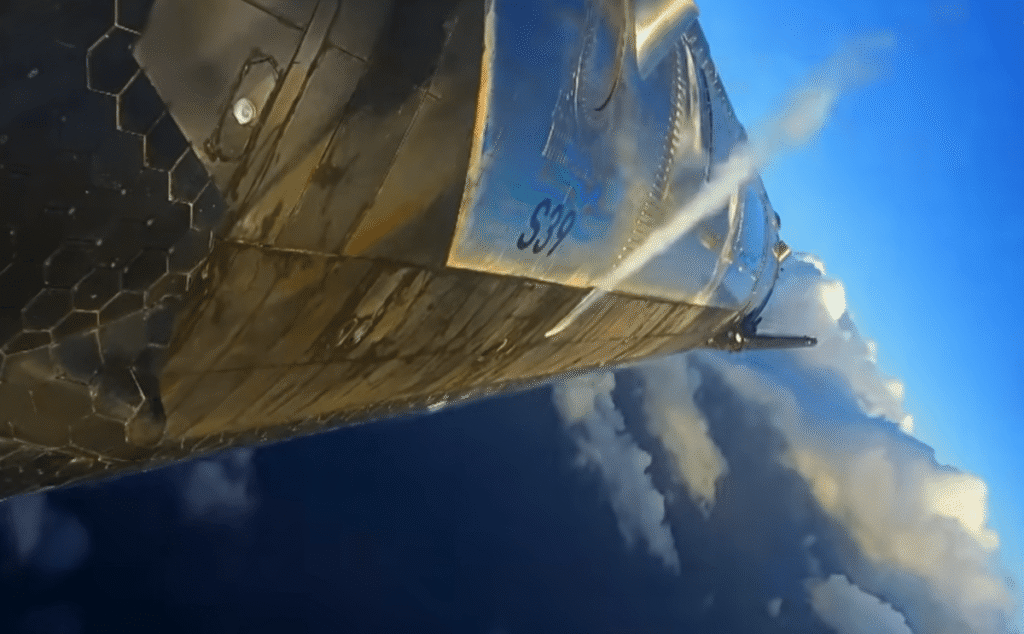
Table of Contents
The Financial Weight of a Heavy Lift
For years, the narrative surrounding SpaceX has been one of inevitable triumph through vertical integration and aggressive iteration. However, a closer look at the company’s recent S-1 filing with the U.S. Securities and Exchange Commission, paired with the technical hurdles of the latest Starship test flight, suggests a more complicated reality. The company is currently operating on a massive capital expenditure treadmill that demands a level of efficiency only full reusability can provide.
At the center of this is Starlink. The satellite communications network is no longer just a side project to fund Mars; it is the company’s financial bedrock. Last year, SpaceX’s connectivity business generated $11.4 billion in revenue. But this figure masks a grueling maintenance cycle. To keep the network operational, SpaceX must replace roughly 20% of its satellite constellation annually. The scale of this investment is staggering: since the start of 2023, the company has poured $11.4 billion into the satellite business—surpassing the $8.4 billion spent on Starship and its supporting launch infrastructure.
The Reusability Paradox
Elon Musk has long positioned Starship as the silver bullet for these costs. The logic is simple: a fully reusable rocket reduces the cost per kilogram to orbit to a fraction of current levels, making satellite replenishment a rounding error rather than a capital drain. However, the S-1 filing contains a subtle but critical admission: full reusability is not strictly necessary to launch the next generation of higher-throughput Starlink satellites.
This admission creates a strategic paradox. While SpaceX can technically launch its new satellites without a fully reusable system, doing so eliminates the cost advantage that makes the business model sustainable in the long run. According to satellite market analyst Tim Farrar, if full reusability fails to materialize, the cost per launch could remain as high as $100 million. This would leave Starship’s economic profile surprisingly similar to the Falcon 9, despite its massive increase in payload capacity.
Recent flight tests have highlighted why this is a pressing concern. The maiden flight of the third version of Starship and its Super Heavy booster struggled with a critical component of the recovery sequence: relighting Raptor engines for a controlled descent. While the vehicle successfully deployed dummy satellites, the failure to master the return flight suggests that the ‘expendable’ path might be the only immediate option for the coming year.
Slowing Momentum in the LEO Market
The urgency of solving the Starship puzzle is compounded by a cooling trend in the Low Earth Orbit (LEO) broadband market. SpaceX’s S-1 suggests that the own growth projections for Starlink may be hitting a ceiling. While the network boasts over 10 million subscribers, growth rates dipped during the first quarter of 2026.
This deceleration is particularly concerning when viewed alongside the company’s Average Revenue Per User (ARPU). Starlink’s ARPU has fallen from $99 in 2023 to $66 in early 2026. This decline is a direct result of SpaceX’s push into emerging international markets, where pricing must be lowered to compete with local infrastructure. In short: SpaceX is spending more to launch satellites that are earning less per user.
The Competitive Horizon
SpaceX is no longer the only player with a viable roadmap. Amazon’s Project Kuiper is scaling up, though it remains entangled in FCC regulatory deadlines requiring the launch of 1,600 satellites by July. If the market for space broadband is smaller than previously anticipated—as indicated by the slowing demand at the industry leader—the pressure on SpaceX to lower its launch costs becomes existential.
If Starship remains partially expendable, the ambitious plans for orbital data centers and massive interplanetary logistics will likely remain on the drawing board. For now, the company is betting that it can outrun its capital expenditures long enough to turn the Raptor engines into a reliable, reusable taxi service.