SpaceX and Pentagon Clash Over ‘Kamikaze’ Drone Pricing and Terms of Service Violations
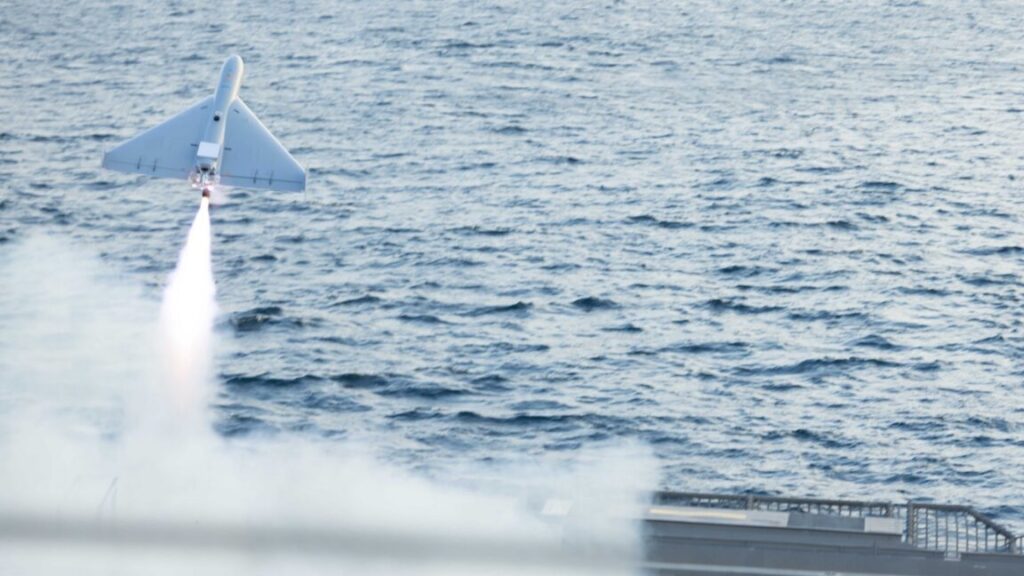
Table of Contents
A Technicality with a High Price Tag
The relationship between SpaceX and the U.S. Department of Defense has long been a precarious balance of strategic necessity and corporate volatility. The latest friction point centers on the Low-cost Uncrewed Combat Attack System (LUCAS), a fleet of “kamikaze” drones developed by contractor Spektreworks. According to recent reporting from Reuters, a dispute has erupted over whether these one-way munitions were utilizing the civilian Starlink network or the government-specific Starshield service—and how much the Pentagon should pay for that privilege.
At the heart of the conflict is a significant price jump. Reuters reports that SpaceX sought to increase the cost of satellite access for these drones from $5,000 to $25,000 per connection. While the $25,000 figure represents a monthly subscription fee for the aviation tier, it creates a peculiar financial logic for a weapon system designed to be destroyed upon impact. A drone that operates for only a few hours before detonation is effectively billed at a monthly rate intended for long-term aircraft operations.
Terms of Service vs. Tactical Reality
Elon Musk has pushed back against the Reuters report, calling it “false,” but his subsequent clarifications on X (formerly Twitter) reveal a deeper systemic issue. Musk alleges that the military drones were improperly configured to use the commercial Starlink system—a direct violation of the civilian terms of service, which explicitly prohibit the use of terminals for weapon systems.
Musk shifted the blame toward the defense contractors, stating that the company building the suicide drones incorrectly utilized the civilian network instead of Starshield. Starshield is the dedicated government arm of SpaceX’s satellite business, operating on a separate network designed for national security needs. The distinction is not merely administrative; it is a matter of regulatory compliance and operational security.
The Pentagon has denied any breach of its agreement with SpaceX. This discrepancy highlights a technical gray area: Starshield terminals are reportedly capable of connecting to both the specialized government constellation and the broader commercial Starlink fleet. This overlap may have led to the configuration errors Musk is now citing.
The Economics of Attritable Warfare
The LUCAS program is part of a broader shift in military strategy toward “attritable” warfare—using cheap, mass-produced drones to overwhelm traditional defenses. These drones, which grew out of efforts to reverse-engineer Iranian technology, cost approximately $35,000 each. When a monthly satellite subscription costs $25,000, the overhead for connectivity nearly equals the cost of the hardware itself.
Despite the internal unease among senior officials—including Deputy Secretary of Defense Steve Feinberg—the Pentagon ultimately agreed to the price hike. The reliance on SpaceX’s infrastructure is so absolute that the Department of Defense appears willing to absorb steep costs to maintain operational capability. Evidence of this dependency is found in current Pentagon documents, which show the military is considering an additional purchase of over 3,500 Starshield terminal subscriptions.
Beyond the Battlefield: Direct-to-Cell Ambitions
The pricing tensions extend beyond the kinetic drones in Iran. The U.S. government has reportedly explored using SpaceX’s direct-to-cell capabilities to provide internet access to Iranian citizens during government-imposed blackouts, bypassing the need for physical terminals. According to sources familiar with the matter, SpaceX proposed a staggering $500 million to launch the capability, paired with a $100 million monthly operating fee.
This pattern of aggressive pricing reflects SpaceX’s unique position in the market. With Starlink generating $11.4 billion in revenue in 2025, the company possesses a level of leverage over the U.S. government that few private contractors have ever held. As the line between commercial technology and national defense continues to blur, the friction between Musk’s corporate mandates and the Pentagon’s tactical requirements is likely to intensify.