The Dark Side of Encryption: How Right-Wing Extremists Used Private Chat Rooms to Coordinate Jan 6th
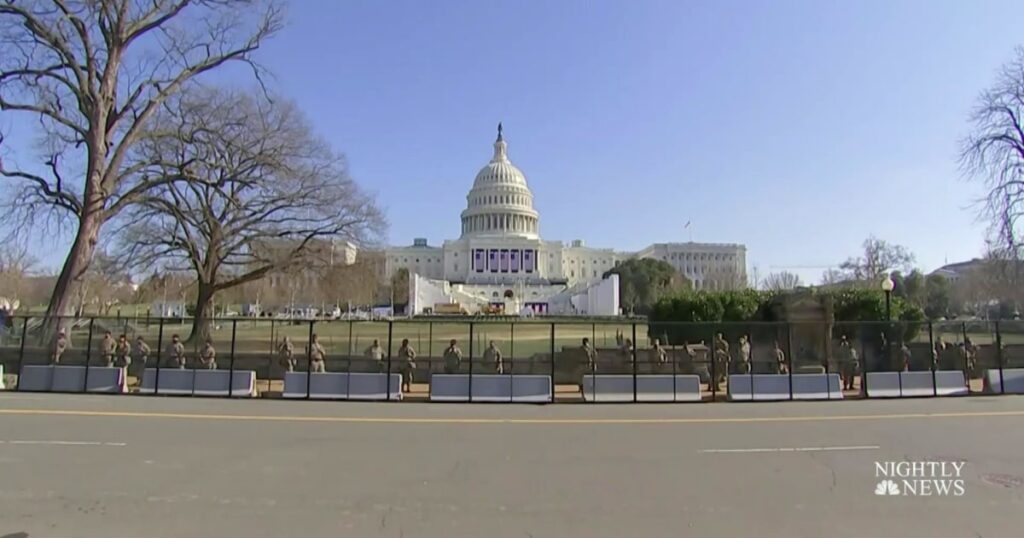
Table of Contents
The Digital Blind Spot
In the lead-up to the 2021 Inauguration Day, Washington D.C. became a fortress of physical security. Thousands of National Guard troops and federal law enforcement agents flooded the capital, erecting concrete barriers and checkpoints. Yet, while the physical perimeter was tightening, federal intelligence agencies were fighting a losing battle against a digital shadow: the rise of encrypted communication platforms.
Official warnings from authorities highlighted a surge in violent, right-wing extremist plots. The common denominator in these plots wasn’t just the ideology, but the medium. By migrating from public-facing social media platforms like Facebook and Twitter to encrypted chat rooms, organizers were able to coordinate logistics, share tactical maps, and recruit followers with a level of anonymity that traditional SIGINT (Signals Intelligence) struggled to penetrate.
The Encryption Dilemma
The use of end-to-end encryption (E2EE) creates a fundamental paradox for national security. On one hand, E2EE is the gold standard for privacy, protecting journalists, dissidents, and average citizens from state surveillance and data breaches. On the other, it provides a secure, invisible sanctuary for those planning illegal activities.
During the January 2021 buildup, agencies like the FBI and DHS faced the challenge of ‘going dark.’ When communications move to platforms that encrypt data locally on the device, the service provider cannot hand over the plaintext of the messages even if served with a legal warrant. This forced a shift in strategy, moving away from wide-net digital surveillance and toward a heavier reliance on human intelligence (HUMINT)—infiltrating these private groups through undercover assets.
From Digital Echo Chambers to Physical Action
The transition from an encrypted chat to a physical protest is where the digital becomes tangible. Analysis of the coordination efforts revealed a tiered system of communication. Broad appeals were made on public forums to attract a wide audience, but the specific details—rendezvous points, equipment lists, and timing—were pushed into smaller, vetted, and encrypted circles.
This operational security (OPSEC) allowed organizers to maintain a level of plausible deniability and avoid early detection by law enforcement. The resulting vacuum of information meant that while the National Guard was deployed in massive numbers, the specific nature and origin of some of the most volatile plots remained obscured until the events began to unfold in real-time.
The Aftermath and the Surveillance Debate
The security operation in D.C. eventually succeeded in protecting the inauguration, but it ignited a fierce debate within the tech and policy communities. Many in government argued for “backdoors” in encryption to allow law enforcement access during national security emergencies. Conversely, cybersecurity experts warned that any backdoor created for the government would inevitably be discovered and exploited by foreign adversaries or cybercriminals.
The January 6th events served as a case study in how modern technology can be weaponized to organize mass movements outside the view of the state. It highlighted that the battle for security is no longer just about who holds the perimeter, but who controls the flow of information in the encrypted void.