Asus Floods Indian Market With New ROG and ProArt Lineups, Aiming for the High-End Creative and Gaming Divide
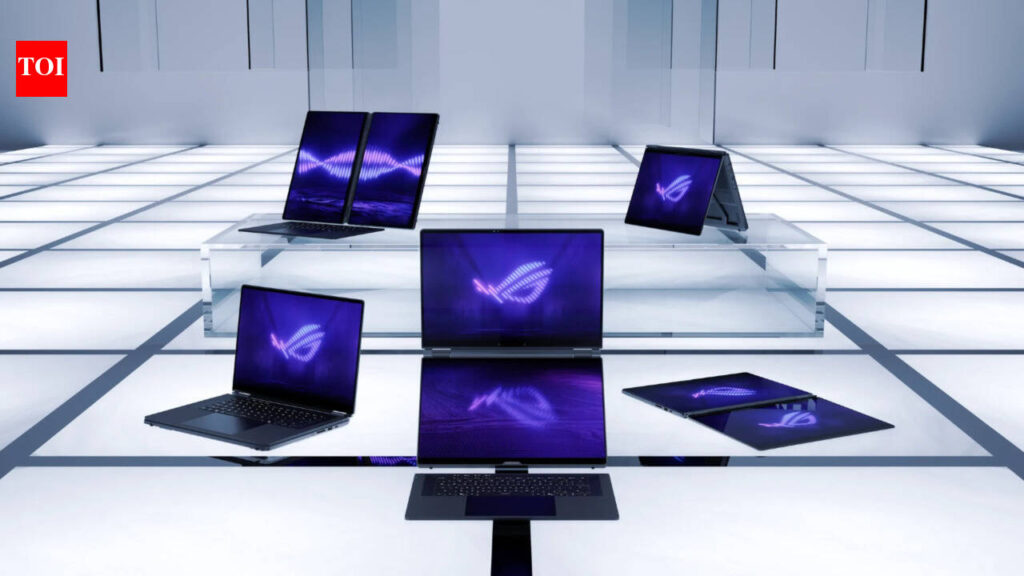
Table of Contents
A Strategic Push into the Premium Segment
Asus is aggressively expanding its footprint in India’s high-performance computing market, announcing the simultaneous arrival of the ROG Zephyrus Duo, Zephyrus G14, Zephyrus G16, ProArt PZ14, and the TUF Gaming A14. While the sheer volume of releases might seem like a seasonal refresh, the hardware specifications suggest a calculated move to capture two distinct but overlapping demographics: the hardcore gamer and the professional creative who requires mobile workstations.
The centerpieces of this launch are the Zephyrus G14 and G16, which continue to refine the balance between chassis thickness and thermal efficiency. Asus has leaned heavily into the ‘thin-and-light’ performance trend, integrating NVIDIA GeForce RTX 40-series GPUs into frames that avoid the traditional ‘gaming brick’ aesthetic. This shift reflects a broader industry trend where gaming hardware is increasingly masquerading as executive hardware to appeal to the hybrid work-and-play crowd.
The Duo’s Dual-Screen Gamble
The Zephyrus Duo remains one of the most polarizing yet technically impressive machines in the ROG stable. By utilizing a second, full-width screen above the keyboard, Asus isn’t just adding screen real estate; they are attempting to solve the chronic limitation of laptop multitasking. For streamers and developers, this effectively eliminates the need for a portable monitor, though it adds a layer of complexity to the thermal management and hinge durability that always accompanies such an unconventional design.
ProArt PZ14: Bridging the Gap Between Art and Engineering
Perhaps the most significant addition for the Indian market is the ProArt PZ14. Unlike the ROG line, which prioritizes RGB lighting and high refresh rates, the ProArt series is tuned for color accuracy and stability. The PZ14 is designed specifically for creators—video editors, 3D architects, and digital artists—who have traditionally been forced to choose between the bulk of a mobile workstation or the underpowered nature of an ultrabook.
By pairing high-color gamut displays with professional-grade processing power, Asus is positioning the PZ14 as a direct competitor to the MacBook Pro 14-inch in the creative sector, betting that a Windows-based ecosystem with dedicated GPU acceleration will win over those working in heavy Adobe or Autodesk environments.
The TUF A14: Performance for the Pragmatist
While the Zephyrus and ProArt lines chase the premium ceiling, the TUF Gaming A14 serves as the entry point for those who prioritize durability and raw value. The A14 is a departure from the larger, heavier TUF models of the past, attempting to bring a more portable form factor to the mid-range market. It leverages the efficiency of AMD’s Ryzen processors to keep power consumption in check without sacrificing the frames-per-second required for modern AAA titles.
Availability and Market Positioning
Pre-orders for the entire suite have officially opened across major Indian retail channels and the Asus e-store. The pricing strategy reflects a tiered approach: the TUF A14 targets the student and entry-level enthusiast, the Zephyrus G-series targets the ‘prosumer,’ and the Duo and ProArt PZ14 are aimed squarely at the luxury and enterprise tiers.
As India’s appetite for AI-accelerated hardware grows, these machines—equipped with NPU-capable processors—are not just gaming rigs; they are becoming the primary vehicles for local AI deployment, from stable diffusion to LLM testing, ensuring that Asus stays relevant as the hardware requirements for software shift toward neural processing.