Asus Doubles Down on India’s Student Market with New Budget-Friendly Chromebook Trio
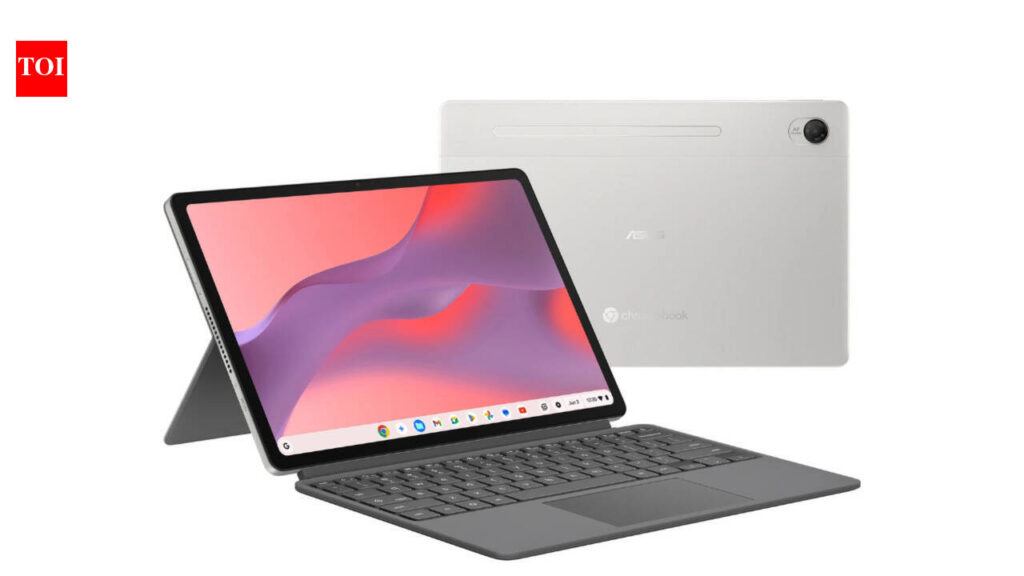
Table of Contents
Expanding the ChromeOS Footprint
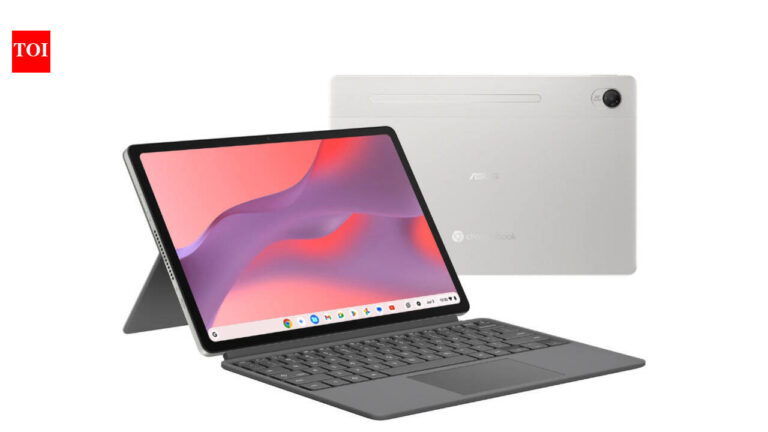
Asus is aggressively targeting the entry-level computing segment in India with the simultaneous launch of three new Chromebooks: the CM32 Detachable, the CM14, and the CM15. With a starting price point of Rs 26,990, the move signals a clear strategy to capture the student and light-productivity demographic, where affordability and battery longevity outweigh raw processing power.
The Indian market has seen a steady climb in ChromeOS adoption, driven largely by the shift toward cloud-based education and the increasing stability of Android app integration within the Google ecosystem. By introducing a tiered range—from a hyper-portable detachable to traditional clamshells—Asus is attempting to blanket the budget spectrum before the next academic buying cycle.
The CM32 Detachable: A Tablet-First Approach
The standout in the new lineup is the CM32 Detachable, which positions itself as a versatile 2-in-1. Weighing in at just 640g, the device is designed for portability, effectively bridging the gap between a high-end Android tablet and a functional laptop. The most significant upgrade here is the display; Asus has equipped the CM32 with a 2.5K touchscreen featuring a 120Hz refresh rate, a rarity in the budget Chromebook space where 60Hz panels remain the standard.
To justify its higher price tag of Rs 37,990, the CM32 comes bundled with the ASUS Pen, catering to students who need to annotate PDFs or sketch on the fly. The detachable nature of the keyboard allows it to function as a media consumption device during commutes and a workstation in the classroom.
The CM14 and CM15: Efficiency Over Power
While the CM32 focuses on versatility, the CM14 and CM15 are built for those who prefer a traditional typing experience. Both models are powered by the MediaTek Kompanio 540, an ARM-based chipset designed specifically for the Chromebook ecosystem. Unlike the Intel Core or Celeron processors found in more expensive units, the Kompanio 540 prioritizes thermal efficiency and standby time over peak performance.
In real-world usage, this means the CM14 and CM15 will likely excel at web-based tasks—Google Docs, Sheets, and streaming—while remaining cool and silent without the need for aggressive fan cooling. The distinction between the two models primarily lies in the screen real estate, with the CM15 offering a larger canvas for multitasking, while the CM14 offers a more compact footprint for those moving between lectures or cafes.
Market Positioning and Availability
The pricing strategy is particularly aggressive. Starting at Rs 26,990 for the base models, Asus is pricing these devices to compete not just with other Chromebooks, but with mid-range Android tablets and low-end Windows laptops. While Windows machines in this price bracket often struggle with bloatware and sluggish eMMC storage, the lean nature of ChromeOS allows these Asus devices to feel snappy despite the modest hardware.
Pre-orders for the CM32 Detachable are open effective immediately. For those looking for the traditional laptop form factor, the CM14 and CM15 are scheduled to hit retail shelves and online marketplaces on June 19.
As the Indian government continues to push for digital literacy in rural and semi-urban areas, the availability of sub-30k hardware that is easy to maintain and quick to boot is critical. Asus is betting that the simplicity of Google’s operating system, paired with a competitive price, will be the winning formula for the next wave of first-time computer buyers.