Maritime Logistics in the Hormuz Strait Pivot as US-Iran Open De-confliction Hotline
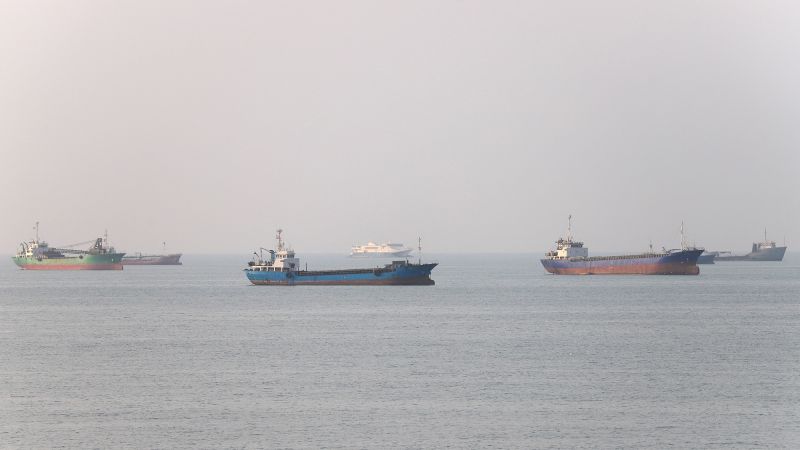
Table of Contents
Data Signals Slow Recovery in Global Shipping Chokepoint
Real-time telemetry from MarineTraffic indicates a gradual uptick in vessel density within the Strait of Hormuz, marking a cautious return to normalcy for one of the world’s most critical energy arteries. While the trend line is positive, the current volume of traffic remains significantly lower than the benchmarks established prior to the recent escalation of regional hostilities.
The shift in movement coincides with a diplomatic pivot between Washington and Tehran. According to Iran’s top negotiator, the two nations have agreed to establish a dedicated communication hotline specifically for the strait. The stated goal is to “prevent and resolve any misunderstandings” in real-time, reducing the risk of tactical miscalculations as commercial tankers and naval assets navigate the narrow corridor.
The Role of AIS and Predictive Analytics in Risk Management
For global shipping firms and insurance underwriters, the reliance on Automatic Identification System (AIS) data has shifted from simple logistics to high-stakes risk mitigation. The current data gap between pre-war levels and today’s traffic reflects a lingering “risk premium” that continues to haunt maritime insurance rates. Many operators are still diverting cargo or opting for longer routes to avoid the volatility associated with the chokepoint.
The implementation of a direct hotline is an attempt to lower this perceived risk. By creating a low-latency channel for communication, the US and Iran are effectively attempting to build a “human firewall” against the kind of accidental skirmishes that often trigger sudden spikes in oil prices and insurance premiums.
Broader Geopolitical Friction Points
Despite the maritime thaw, other regional tensions remain stubbornly high. In Lebanon, the US is mediating a new round of talks aimed at halting the conflict between Israel and Iran-backed Hezbollah. A US official confirmed the creation of a “monitoring mechanism” to oversee the ceasefire, though Hezbollah has publicly denounced the negotiations, suggesting that the digital and physical monitoring of the border will be a flashpoint for future violations.
Simultaneously, the transparency of Iran’s nuclear program remains a point of contention. While Vice President JD Vance suggested that Tehran had agreed to readmit nuclear monitors—a move that would rely heavily on technical verification and sensor-based auditing—Iran has since denied making any such new commitments. This contradiction highlights the gap between diplomatic signaling and the technical reality of verification on the ground.
Strategic Imperatives and Economic Trade-offs
The tension between economic stability and national security has reached a critical juncture. President Donald Trump recently stated that the objective of preventing Iran from acquiring a nuclear weapon outweighs the potential economic fallout of a prolonged conflict. This suggests a strategic pivot where the volatility of the Strait of Hormuz—and the resulting impact on global energy markets—is viewed as a secondary concern compared to nuclear proliferation.
As maritime traffic continues its slow climb, the industry will be watching to see if the new hotline actually reduces “dark fleet” activity—ships that disable their AIS transponders to evade sanctions. If the communication channel leads to a measurable increase in transparent shipping, it could signal a broader stabilization of the region’s digital and physical infrastructure.