Apple TV+’s ‘Widow’s Bay’ Experiments with Genre-Bending: Why Horror-Comedy is the New Streaming Frontier
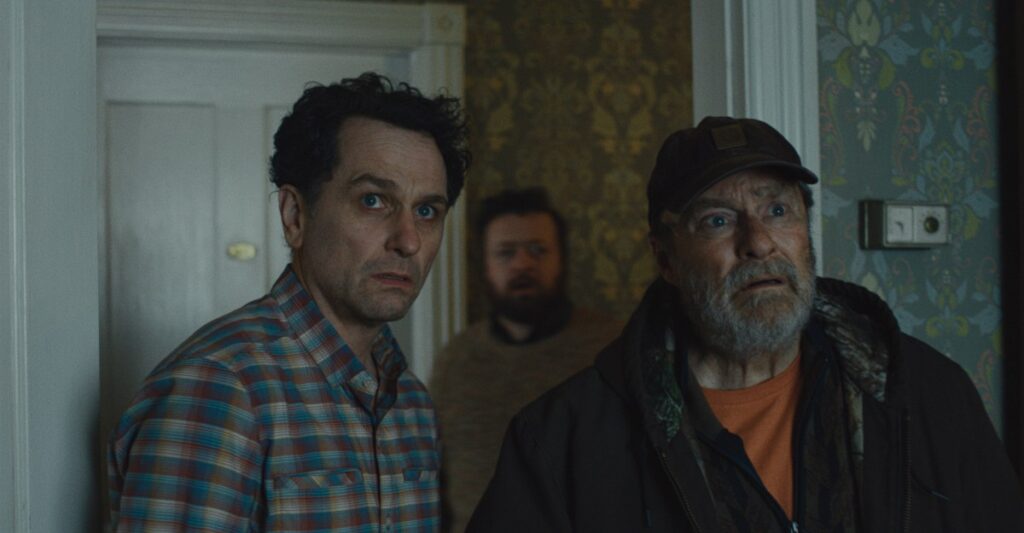
Table of Contents
The psychological bridge between a jump scare and a punchline is shorter than most viewers realize. On April 29th, Apple TV+ launched Widow’s Bay, a series that deliberately blurs the line between visceral terror and absurdist humor. By positioning the show as a hybrid, the production team isn’t just trying to capture two different audiences; they are leveraging a specific emotional volatility where the viewer’s guard is permanently lowered.
- Genre Synergy: The series uses comedy not as a relief, but as a tool to make the horror more unexpected.
- Creative Pedigree: Showrunner Katie Dippold applies a background in high-concept comedy (Parks & Recreation, Ghostbusters) to the horror framework.
- Structural Shift: Over 10 episodes, the show evolves from a traditional narrative into a horror anthology exploring various sub-genres.
- Performance Philosophy: Lead actors Matthew Rhys and Stephen Root prioritize ‘situational reality’ over genre tropes to maintain authenticity.
The Anatomy of a Haunted Island: Plot and Premise
Set on a rugged island off the coast of New England, Widow’s Bay presents a classic Gothic setup with a modern, satirical edge. The town possesses a rustic charm that masks a deeply sinister history, characterized by a generational curse: those born on the island are physically or spiritually tethered to it, facing death if they attempt to leave.
The narrative engine is driven by Mayor Tom Loftis, played by Matthew Rhys. Loftis represents the archetype of the ‘willfully ignorant’ leader. His obsession with transforming the island into a luxury tourist destination—aiming to rival the prestige of Martha’s Vineyard—creates a sharp friction with the supernatural reality of the land. This tension is best exemplified in the series premiere, where a malevolent, supernatural fog descends upon the town. While the townspeople react with dread, Loftis is preoccupied with the arrival of a New York Times travel writer, illustrating the central conflict between economic ambition and existential dread.
The ‘Dippold Method’: Why Comedy Enhances Terror
The architectural vision for Widow’s Bay comes from showrunner Katie Dippold. With a resume spanning Mad TV and the 2016 Ghostbusters reboot, Dippold views horror and comedy as cousins in the art of timing. According to Dippold, both genres rely on the element of surprise. A joke that lands is essentially a subversion of expectation, much like a well-executed scare.
Dippold argues that many failed horror-comedies fall into the trap of ‘undercutting’ the tension. If a character reacts to a monster with a quip that diminishes the threat, the audience stops being afraid. To combat this, Dippold implemented a strict editorial rule for Widow’s Bay: characters must react truthfully to the horror. By maintaining a grounded reality in the characters’ fear, the comedy emerges naturally from the absurdity of the situation rather than through forced jokes.
This approach mirrors the trajectory of contemporary horror heavyweights like Jordan Peele and Zach Cregger. Both directors transitioned from sketch comedy to acclaimed horror (Get Out, Barbarian), proving that an understanding of comedic pacing is an asset when constructing tension. Dippold references An American Werewolf in London as a primary influence, noting that the film’s ability to be genuinely terrifying while remaining funny is the gold standard for the hybrid genre.
Structural Evolution: From Serial to Anthology
Unlike many streaming series that stick to a linear plot, Widow’s Bay adopts an evolving structure. While the overarching mystery of the island’s curse remains the focal point, the 10-episode arc allows the show to pivot into an anthology-style exploration of horror sub-genres.
Each episode often focuses on a different atmospheric trope, allowing the production to experiment with visual and narrative styles:
- Psychological Horror: Episodes featuring haunted hotels where time operates non-linearly.
- Folk Horror: Segments evoking the dread of Midsommar, focusing on bizarre rituals and community isolation.
- Slasher Elements: Tributes to Friday the 13th, featuring lumbering killers and high-body-count sequences.
- Surrealism: Occasional forays into the bizarre, including the appearance of a killer clown, nodding to Stephen King’s influence on New England horror.
This versatility prevents the series from becoming stagnant, ensuring that the “shock” factor remains high by constantly shifting the rules of the world the characters inhabit.
The Actor’s Perspective: Playing the Reality
For the cast, the challenge was avoiding the ‘camp’ often associated with horror-comedy. Matthew Rhys and Stephen Root (who plays Loftis’s rival, a cynical local fisherman) approached their roles by ignoring the genre labels entirely.
Rhys notes that the key was trusting the world Dippold built. By playing the characters’ problems as real—rather than playing “the comedy” or “the horror”—the actors create a believable anchor for the audience. Root emphasizes that the goal is to let the situation unfold naturally; when a character is genuinely terrified but in a ridiculous circumstance, the audience finds the humor organically.
What This Means for the Streaming Landscape
The move by Apple TV+ to invest in a high-budget horror-comedy hybrid like Widow’s Bay signals a shift in streaming strategy. For years, platforms have relied on “prestige drama” or “pure horror” to attract subscribers. However, the success of “genre-fluid” content suggests that audiences are craving more complex emotional experiences.
From a technical standpoint, this requires a more sophisticated approach to editing and sound design. The transitions between a laugh and a scream must be seamless to avoid jarring the viewer. If Widow’s Bay succeeds, it may encourage other platforms to move away from rigid genre categories and toward more experimental, hybrid storytelling.
Recent market analysis suggests that ‘Horror-Comedy’ and ‘Dark Comedy’ have seen a 15-20% increase in viewer engagement on SVOD (Subscription Video on Demand) platforms since 2022, driven by the ‘elevated horror’ movement led by A24 and Neon.
Frequently Asked Questions
Where can I watch Widow’s Bay?
Widow’s Bay is an Apple Original series and is available exclusively on Apple TV+ starting April 29th.
Who is the creator of Widow’s Bay?
The series is created and run by Katie Dippold, a veteran comedy writer known for her work on Parks & Recreation and the 2016 Ghostbusters.
Is Widow’s Bay a comedy or a horror show?
It is a horror-comedy hybrid. The show uses comedy to build a sense of relatability and relief, while maintaining genuine horror elements to keep the tension high.
How many episodes are in the first season?
The first season consists of 10 episodes that blend a central narrative with anthology-style stories.
What is the main plot of the show?
The story follows the residents and mayor of a haunted New England island plagued by a curse that prevents those born there from ever leaving.
By treating the horror and the humor as two sides of the same coin, Widow’s Bay avoids the pitfalls of the ‘campy’ horror movie. Instead, it presents a study in hysteria, where the laughter is simply a reaction to the overwhelming nature of the fear. For Apple TV+, it is a bold step into a space where the goal isn’t just to scare the audience, but to keep them perpetually off-balance.