Amazon Fire TV Stick HD Hits Indian Market: A Strategic Play for the Budget Streaming Segment
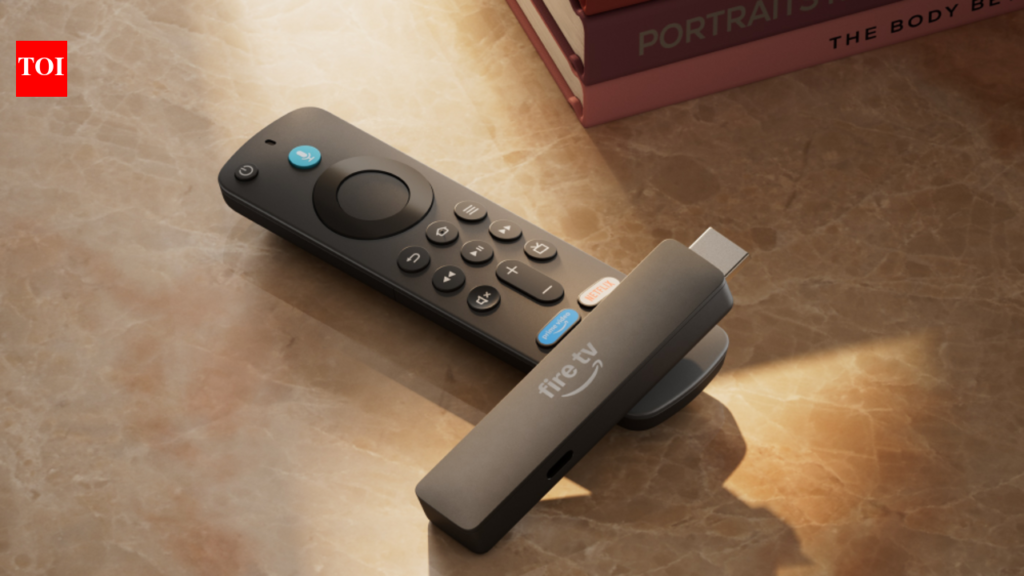
Table of Contents
A Calculated Entry into the Mid-Range Market
Amazon has officially expanded its hardware portfolio in India with the launch of the Fire TV Stick HD. While the high-end 4K variants have long been the flagship offering for enthusiasts with home cinema setups, the HD model is a clear attempt to capture the massive demographic of users who still rely on 1080p displays but want a fluid, app-driven interface.
The device arrives at a time when the Indian streaming market is seeing a surge in regional content consumption. By pricing the HD stick aggressively, Amazon isn’t just selling hardware; it is securing a permanent gateway to its Prime Video ecosystem and an advertising platform within the living room.
Hardware and Interface Realities
Under the hood, the Fire TV Stick HD focuses on stability over raw power. It supports Full HD resolution (1920x1080p), which is the sweet spot for the majority of budget-to-mid-range LED TVs sold in India. The device utilizes a streamlined version of Fire OS, which has been optimized to reduce the input lag often seen in cheaper Android-based dongles.
One of the more critical additions is the integration of Alexa. While voice control is common in the 4K tiers, the HD stick maintains the ability to search for content across various apps using the dedicated voice remote. This solves a major pain point for the average user: the tediousness of typing movie titles using an on-screen keyboard.
The Competitive Friction with Google and Xiaomi
The Indian market is notoriously crowded. Google’s Chromecast with Google TV and Xiaomi’s Mi Box/Stick series have historically dominated the affordable streaming space. Amazon’s strategy here appears to be a combination of ecosystem lock-in and aggressive promotional bundling.
Unlike the Mi Stick, which relies on the more open Android TV interface, the Fire TV Stick HD is a curated experience. While this means fewer sideloaded apps, it results in a more polished, cohesive UI that feels faster on lower-end hardware. The real battle, however, will be in the app support. While Netflix, Disney+ Hotstar, and Zee5 are standard, Amazon is leveraging its own infrastructure to ensure that Prime Video remains the most seamless experience on the device.
Connectivity and Setup
The setup process remains one of Amazon’s strongest selling points. The stick plugs directly into the HDMI port and draws power from a USB wall adapter. The pairing process via the Amazon account is nearly instantaneous, mirroring the ‘plug-and-play’ philosophy that has made the Fire TV line popular globally.
However, some users may find the lack of an Ethernet port—common in the HD budget segment—a limitation for those with unstable Wi-Fi. The device relies entirely on dual-band Wi-Fi, which should be sufficient for 1080p streaming, though users in high-interference apartment complexes may experience occasional buffering during peak hours.
Market Implications
By filling the gap between basic smart TVs and high-end 4K streamers, Amazon is essentially commoditizing the ‘smart’ experience. For many Indian households, upgrading an old ‘dumb’ TV with a reliable stick is a far more attractive proposition than purchasing a new television. The Fire TV Stick HD is less about pushing technical boundaries and more about ensuring that no living room in India is without an Amazon-controlled interface.


