Air Force One Security Sweep: US Delegation Forced to Dump Chinese Tech and Gifts
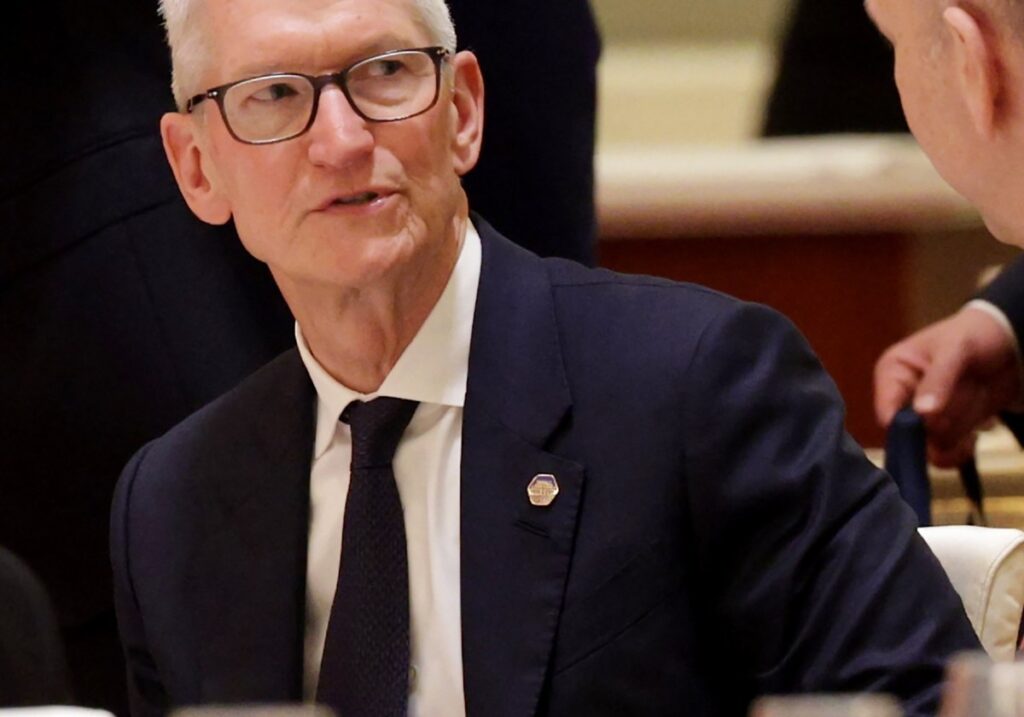
Table of Contents
Air Force One Security Sweep: US Delegation Forced to Dump Chinese Tech and Gifts
In a stark reminder of the escalating digital Cold War, members of the U.S. presidential delegation were ordered to surrender and discard a variety of items—including burner phones and diplomatic gifts—before boarding Air Force One following a high-stakes summit in Beijing.
The move comes after two days of intensive diplomatic talks between President Trump and Chinese President Xi Jinping. While the public face of the summit remained cordial, the boarding process revealed a deep-seated anxiety regarding the sophisticated intelligence-gathering capabilities of the Chinese state.
- Main Update: US officials and press forced to discard all items acquired in China.
- Items Seized: Burner phones, lapel pins, and official credential badges.
- Key Figures: Affects White House staff, Secret Service, and tech executives like Tim Cook and Jensen Huang.
- Primary Cause: Suspected espionage and hardware-level surveillance risks.
The ‘Zero-Trust’ Boarding Protocol
According to reports from the White House press pool, the security directive was absolute. As the delegation prepared to depart Beijing, staffers and journalists were instructed to drop their collected items into bins at the foot of the aircraft’s stairs.
Emily Goodin, White House correspondent for the New York Post, highlighted the severity of the order on X, stating that “nothing from China” was permitted on the presidential aircraft. This level of caution suggests a “zero-trust” security model, where any hardware originating from or passing through a hostile intelligence environment is considered compromised.
The Danger of the ‘Burner’ Strategy
The inclusion of burner phones in the discard pile is particularly telling. Burner devices are typically employed by security-conscious officials to prevent their primary devices from being targeted by state-sponsored spyware. However, the order to destroy them suggests that the U.S. government believes these devices were either compromised during the trip or are incapable of guaranteeing a secure perimeter once they return to U.S. airspace.
- Hardware Implants: Risk of modified components providing remote access.
- Signal Intelligence: Potential for “beaconing” devices to track locations.
- Firmware Exploits: Sophisticated attacks targeting the baseband processor.
Espionage Risks in Diplomatic Gifting
It wasn’t just electronics that were purged. Several members of the delegation, including high-profile tech leaders like Apple CEO Tim Cook and Nvidia’s Jensen Huang, were seen wearing lapel pins issued by the Chinese government. These items were also demanded upon boarding.
To the average observer, a lapel pin seems harmless. To a counter-intelligence officer, it is a potential housing for a miniature microphone or a Radio Frequency (RF) transmitter. Historically, intelligence agencies have used “gifted” items to plant bugs in sensitive environments, making the purge a necessary precaution for the most secure aircraft in the world.
| Item Category | Perceived Risk | Security Action |
|---|---|---|
| Burner Phones | Remote access / Spyware | Immediate Disposal |
| Lapel Pins | Audio surveillance / RF beacons | Immediate Disposal |
| Credential Badges | RFID skimming / Tracking | Immediate Disposal |
Why This Matters for Global Tech
This incident underscores the widening chasm between U.S. and Chinese technology ecosystems. The presence of CEOs from Apple and Nvidia on this trip highlights the delicate balance between maintaining critical trade relationships and managing extreme supply chain risks.
When the U.S. government treats a simple pin or a temporary phone as a potential threat, it signals that the risk of “hardware-level’ espionage is now a primary concern. This aligns with recent U.S. efforts to purge Chinese-made telecommunications equipment from national infrastructure to prevent similar backdoors.
The Role of Counter-Intelligence
The decision to discard items rather than scan them suggests that the Secret Service and White House security teams believe the only way to ensure 100% security is through total elimination. Advanced “sleeper” bugs can be designed to remain dormant during scanning and only activate under specific conditions, making disposal the only viable option.
What Happens Next
While the White House has not officially commented on the specific security protocols, this event is likely to trigger a review of travel guidelines for other federal officials visiting high-risk regions. We expect a move toward more stringent secure travel hardware requirements for all diplomatic missions.
As AI-driven surveillance and miniaturized sensors become more common, the definition of a “safe” gift will continue to shrink, further isolating the technological spheres of the two superpowers.
Source: Reports from the White House press pool and official social media accounts of accredited journalists.