China’s EV Invasion: How 5 New Brands are Entering the Canadian Market
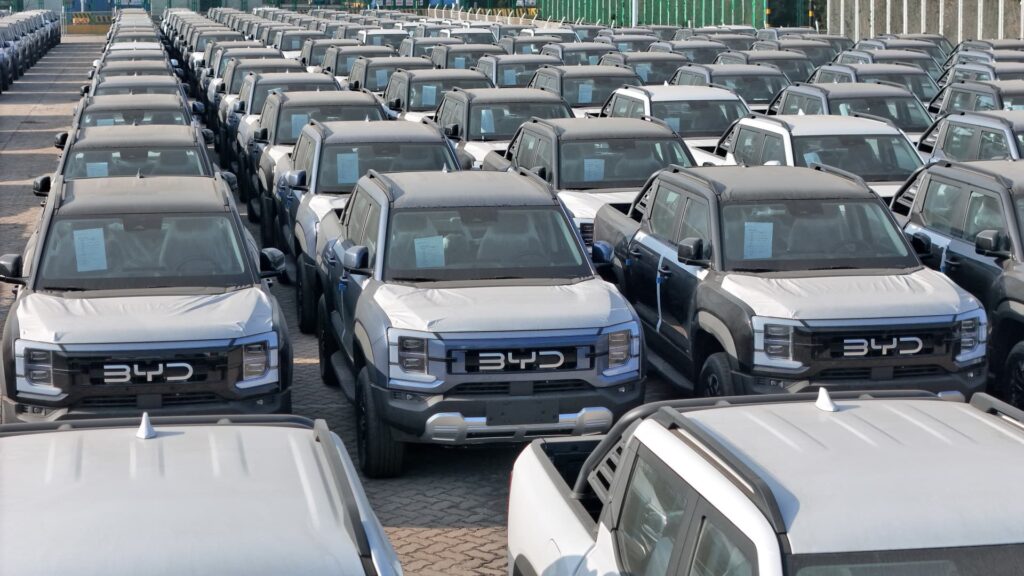
Table of Contents
China’s EV Invasion: How 5 New Brands are Entering the Canadian Market
Canada is preparing for a seismic shift in its automotive landscape as the government opens the doors to a wave of Chinese electric vehicles (EVs). This strategic move, designed to increase consumer choice and accelerate the transition to zero-emission transport, is sparking a fierce debate between eager dealerships and concerned geopolitical analysts.
While the U.S. has doubled down on protectionist policies, Canada is taking a more calculated approach, allowing a specific quota of high-tech, low-cost imports to enter the retail market. This decision is poised to introduce a new level of competition for established giants like General Motors and Ford in the Great White North.
- Main Update: Canada to allow 49,000 Chinese-made EVs for retail sale annually.
- Key Feature: Aggressive pricing and premium interior materials from brands like BYD and Geely.
- Tariff Rate: A preferential rate of 6.1% for this specific quota, far lower than the standard 100%.
- Market Impact: Expected to increase consumer options and put pressure on legacy automaker pricing.
The Dealer Perspective: A ‘Game Changer’ for Retailers
For many Canadian automotive entrepreneurs, the arrival of Chinese EVs isn’t a threat—it’s a massive opportunity. Michael MacGillivray, who oversees 10 dealerships across Nova Scotia and New Brunswick, views the influx as a necessary catalyst for the domestic market.
After visiting the Beijing Auto Show, MacGillivray noted that the quality of Chinese vehicles has evolved rapidly. He highlighted three specific areas where these new entrants are challenging the status quo:
The Hardware Advantage
The gap in interior quality between legacy brands and new Chinese manufacturers has effectively closed. Modern Chinese EVs are leveraging advanced materials and minimalist aesthetics that often exceed the offerings of entry-level Western models.
- Material Quality: High-grade synthetics and sustainable luxury fabrics.
- Styling: Cutting-edge aerodynamic profiles that increase range.
- Ride Quality: Advanced suspension tuning optimized for urban and highway environments.
The Geopolitical Friction and Tariff Battle
The decision has not been without controversy. The Canadian Vehicle Manufacturers’ Association has expressed deep concern over the move, suggesting it could undermine domestic production goals. This sentiment is echoed across the border, where U.S. officials have viewed the move as a potential security risk and a precursor to a wider market flood.
U.S. Transportation Secretary Sean Duffy recently criticized the move on X, suggesting that Canada would “regret” allowing the Chinese Communist Party to gain a foothold in the North American supply chain. However, the Canadian government has implemented strict guardrails to prevent a total market takeover.
Understanding the Quota System
To balance consumer demand with economic protection, Canada has set a hard limit on imports. The 6.1% tariff applies only to the first 49,000 units; any volume beyond that faces a staggering 100% tariff, effectively pricing them out of the market.
| Metric | Preferential Quota | Standard Import |
|---|---|---|
| Annual Volume | 49,000 Units | Unlimited |
| Tariff Rate | 6.1% | 100% |
| Market Goal | Consumer Choice | Industrial Protection |
Why This Matters for the Average Consumer
For the average Canadian driver, the primary driver is simple: affordability. With gas prices remaining volatile and the high entry price of current Tesla and Rivian models, a lower-cost alternative is highly attractive. Many Canadians believe that introducing these brands will “destroy the market in a good way,” forcing legacy brands to lower prices or innovate faster.
The interest is already tangible. Farid Ahmad, CEO of DSMA, a dealership broker in Toronto, reports nearly 400 inquiries from dealers eager to represent brands like BYD, Geely, and Chery. These companies are not just selling cars; they are establishing a strategic beachhead in North America.
What Happens Next: The Road to Integration
As these 49,000 slots begin to fill, the focus will shift toward infrastructure and service. The success of these brands will depend on their ability to build a reliable network of service centers and ensure that software updates—vital for modern EV operating systems—are seamless across borders.
While the current volume represents only 3% to 5% of the total Canadian market, the psychological impact is far greater. If these vehicles prove durable and reliable, the pressure on the Canadian government to increase the quota in future years will be immense.
Source: Reports from CNBC, S&P Global Mobility, and official statements from the Canadian Vehicle Manufacturers’ Association.