Xi Jinping Promises ‘Wider Opening’ for Tech Giants During Trump’s China Visit
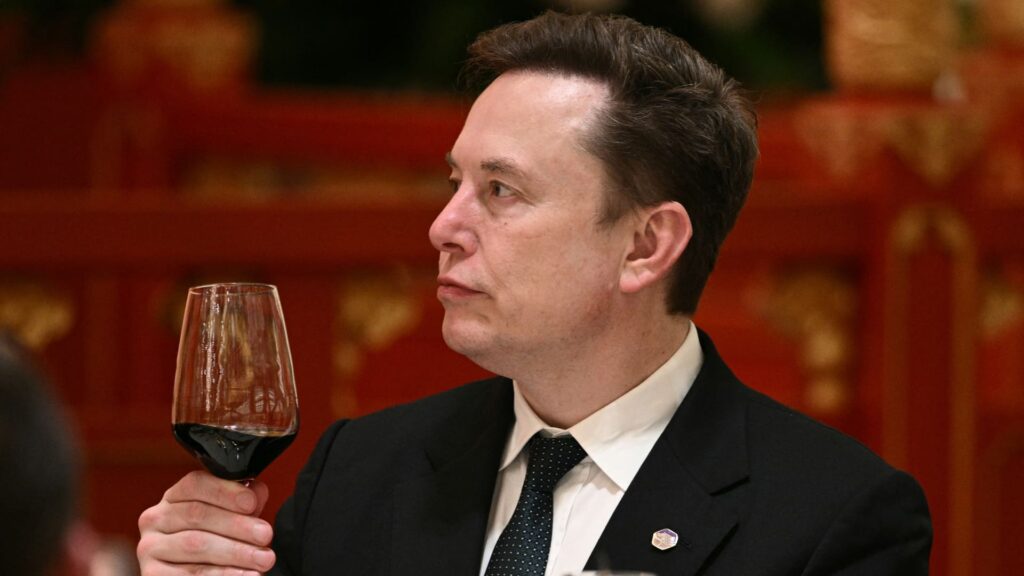
Table of Contents
Xi Jinping Promises ‘Wider Opening’ for Tech Giants During Trump’s China Visit
In a high-stakes diplomatic gesture, Chinese President Xi Jinping has officially told a delegation of American tech titans that China intends to “open wider” its doors to foreign business. The statement comes during a critical visit by President Donald Trump, signaling a potential strategic shift in how the world’s two largest economies handle technological interdependence.
The meeting marks a pivotal moment for the global supply chain, as the presence of CEOs from the most influential companies in AI and consumer electronics suggests a mutual desire to stabilize trade relations. This shift is particularly significant given the ongoing friction regarding semiconductor exports and national security concerns.
- Main Update: President Xi Jinping pledges increased market access for US companies.
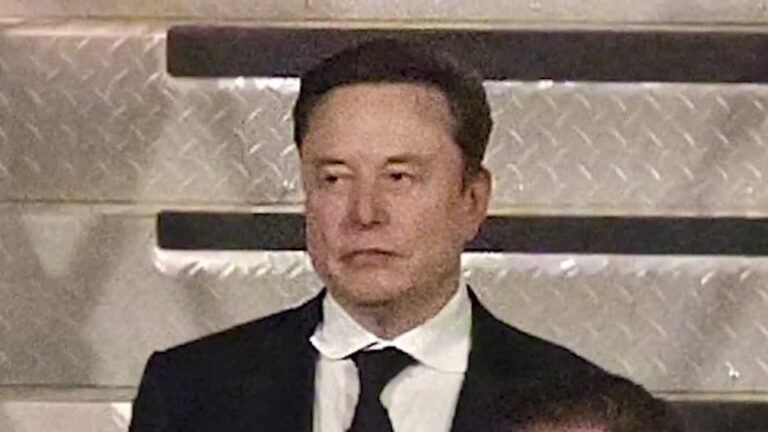
- Key Figures: Elon Musk (Tesla/SpaceX), Tim Cook (Apple), and Jensen Huang (Nvidia) attended.
- Strategic Focus: Economic cooperation and the establishment of global AI safety protocols.
- Current Status: Discussions ongoing regarding the sale of advanced Nvidia H200 chips.
A Strategic Olive Branch to Silicon Valley
The atmosphere in Beijing was described as “uplifting” by those in attendance. According to state-backed reports from Xinhua, President Xi emphasized that U.S. firms have been integral to China’s reform and opening-up process. He expressed a firm belief that American entrepreneurs will find “even broader prospects” within the Chinese domestic market.
For leaders like Tim Cook of Apple, whose company relies heavily on Chinese manufacturing and consumer demand, this signal is a welcome reprieve from the volatility of the last few years. The White House corroborated these sentiments via social media, noting that both nations are exploring ways to enhance economic cooperation and expand market access for American businesses.
The ‘Power Trio’ of Tech Influence
The delegation accompanying President Trump was not a random selection of executives, but rather a curated list of the architects of the modern digital age:
- Elon Musk: Seeking to further integrate Tesla’s Gigafactory Shanghai and navigate SpaceX’s complex global positioning.
- Jensen Huang: Representing Nvidia, the company at the center of the global AI chip war.
- Tim Cook: Managing the delicate balance of Apple’s retail presence in China versus its US-based design goals.
The GPU Deadlock: The Case of the Nvidia H200
Despite the welcoming rhetoric, the most contentious point of discussion remains high-end semiconductors. There have been conflicting reports regarding the U.S. government’s willingness to allow Nvidia’s H200 GPUs to be sold into the Chinese market.
While some reports suggest a “green light” for these advanced AI chips, U.S. Treasury Secretary Scott Bessent recently admitted to being unaware of any such specific approval, deferring the matter to the Commerce Department. This ambiguity highlights the tension between the desire for economic growth and the fear of accelerating China’s military AI capabilities.
| Issue | Previous Stance | Current Outlook |
|---|---|---|
| Market Access | Restrictive/Protective | “Opening Wider” |
| H200 Chip Sales | Strict Export Ban | Under Negotiation |
| AI Development | Unilateral Race | Joint Safety Protocols |
Why This Matters for Global AI
The most critical takeaway from this summit is not just about revenue for Apple or Tesla, but about the governance of Artificial Intelligence. Secretary Bessent revealed that the two superpowers are discussing a safety protocol to ensure that “nonstate actors” do not gain access to dangerous AI models.
This suggests a rare moment of alignment. As China develops its own domestic LLMs through companies like Alibaba, and the US pushes the boundaries with next-generation AI models, a shared safety framework could prevent a catastrophic “AI arms race” that ignores ethics and security.
The Domestic Pivot
However, the “open door” policy may be a calculated move. China has spent the last few years urging domestic firms to shift toward home-grown semiconductors to reduce reliance on the West. By welcoming US CEOs now, Xi may be attempting to maintain essential foreign investment while simultaneously building a self-sufficient tech ecosystem.
What Happens Next
The coming months will be the true test of these promises. Market participants will be looking for three specific indicators: a formal easing of Nvidia export restrictions, new investment permits for Tesla in the EV sector, and a signed bilateral agreement on AI safety.
If these materialize, it could mark the beginning of a new era of “competitive coexistence.” If they don’t, the rhetoric of “opening wider” may simply be a diplomatic mask for a deeper technological divide.
Source: Official statements from the White House and Xinhua News Agency.