Xreal Pivots to Entry-Level AR with New ‘X by Xreal’ Sub-brand and $299 a01 Glasses
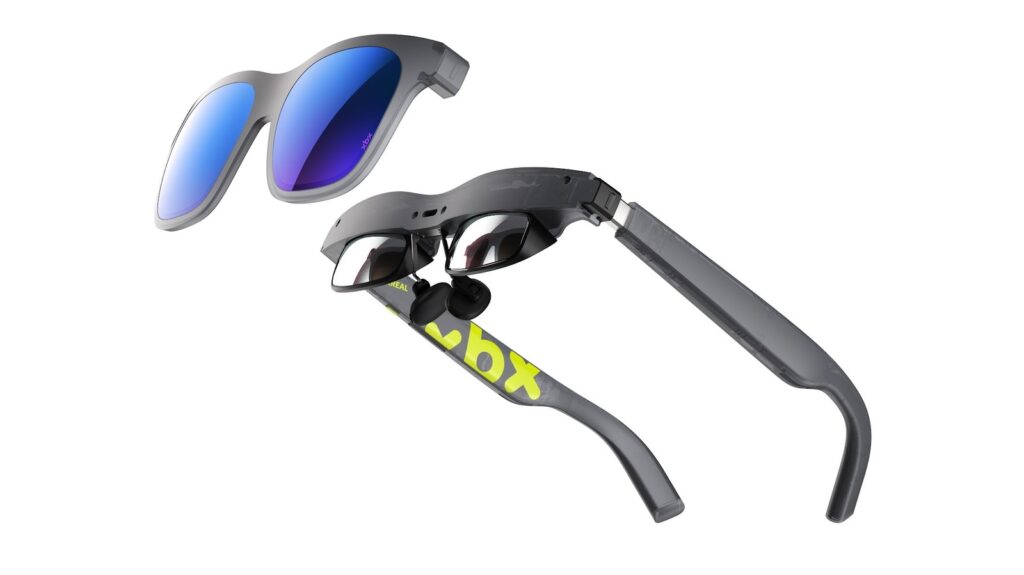
Table of Contents
A Strategic Split in the AR Market
Xreal is attempting to solve the ‘price-to-utility’ gap in augmented reality by launching a dedicated sub-brand. The company, previously known for pushing the envelope with high-end, feature-heavy hardware, has introduced X by Xreal (or XBX), a brand specifically designed to capture the entry-level consumer market. The debut product under this banner is the a01, a pair of display glasses that strips away the complexity of full AR to focus on pure visual consumption.
The move signals a clear pivot in Xreal’s market segmentation. While the company continues to develop high-end spatial computing hardware—most recently teasing the Android XR-powered Project Aura at Google I/O—it recognizes that a $600+ price point remains a significant barrier for the average user. By introducing the a01 at a starting price of $299, Xreal is moving away from the ‘prosumer’ niche and targeting the ‘pocket cinema’ crowd: commuters, frequent flyers, and handheld gamers who want a private screen without the bulk of a VR headset.
Technical Trade-offs for Weight and Comfort
The a01 represents a conscious decision to prioritize ergonomics over computation. By omitting onboard cameras and complex sensors, Xreal has managed to bring the weight down to 62 grams, making them some of the lightest AR display glasses currently available. This reduction in mass is a direct response to the ‘chonky’ aesthetic of previous iterations, which often hindered long-term wearability.
Despite the budget positioning, the a01 isn’t a compromise in brightness. The glasses boast a peak brightness of 1,600 nits and HDR 10 support, ensuring that the virtual screen remains visible even in brightly lit environments like airplane cabins or subway cars. To address the inherent instability of wearing a screen while moving, Xreal has implemented a proprietary spatial anti-shake algorithm. This software layer is designed to counteract head movement, reducing image blur and motion sickness during transit—a critical pain point for users who intend to watch movies on the go.
The ‘Fashion-First’ Hardware Approach
One of the more unusual aspects of the a01 is its focus on modular aesthetics. Xreal is leaning into the ‘wearable’ part of wearable tech by offering interchangeable front frames. Users can swap frames to shift between a more immersive look or a transparent style that blends in better with traditional eyewear.
In a move that appeals to the maker community, Xreal has explicitly stated that tinkerers can 3D print their own front-frame accessories. This open-ended design philosophy allows the hardware to evolve with user preferences, shifting the device from a static piece of electronics to a customizable accessory. The chassis is constructed from an ultra-light nylon body, which helps maintain the low weight while providing enough durability for daily travel.
Positioning Against the Pro Line
The launch of X by Xreal creates a sharp divide in the company’s catalog. On one end is the a01, a lean, camera-less display tool. On the other are the Air and Ultra series, and the upcoming Project Aura, which integrate deep OS hooks and advanced environmental tracking. For context, Xreal’s One Pro glasses launched at $650, nearly double the cost of the a01.
This tiered strategy allows Xreal to compete on two fronts: fighting for the cutting edge of spatial computing against the likes of Meta and Apple, while simultaneously capturing the high-volume market of users who simply want a portable, private monitor for their Steam Deck, ROG Ally, or smartphone.
The a01 is currently available in China and is scheduled to hit the US market in July with a $299 MSRP.


