Xiaomi pivots to Fire TV for upcoming FX Mini LED Series in India
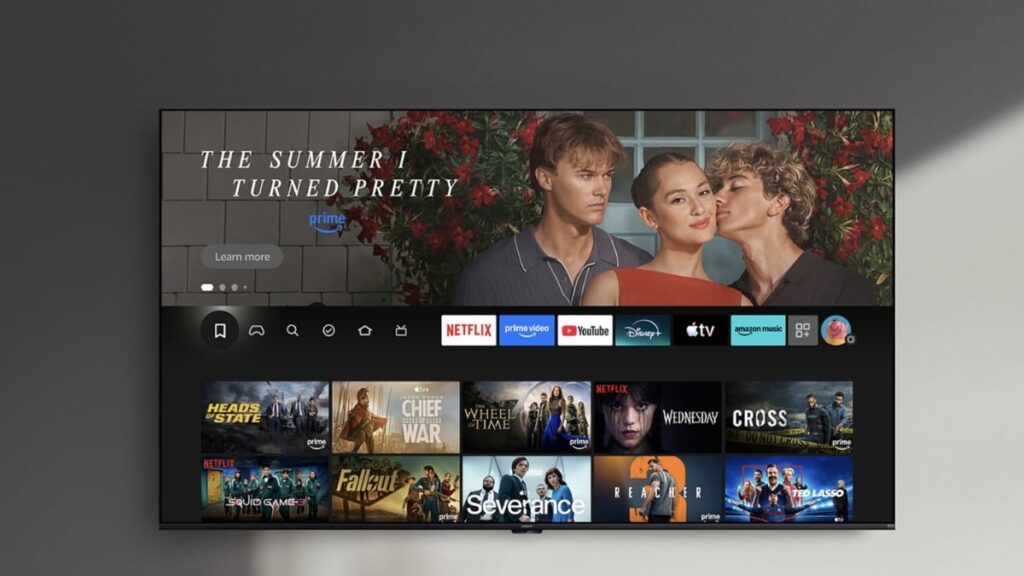
Table of Contents
A strategic shift in the living room
Xiaomi has officially confirmed that its FX Mini LED Series will debut in India on June 4. While the hardware specs promise a leap in visual fidelity, the most telling detail is the software: the series will feature Fire TV built-in. This marks a notable strategic alignment with Amazon’s ecosystem, moving away from the more fragmented OS approach seen in some of Xiaomi’s previous budget and mid-range offerings.
The transition to Fire TV suggests Xiaomi is prioritizing a more streamlined, app-rich user experience to compete with the likes of Samsung and Sony, who have long dominated the premium Mini LED space in the Indian market. By integrating Amazon’s platform, Xiaomi gains an immediate advantage in content discovery and voice control via Alexa, which is increasingly critical as TVs evolve from simple display monitors into centralized home hubs.
The Mini LED gamble and Quantum MagiQ
At the heart of the FX series is Mini LED backlighting, a technology that Xiaomi previously touched upon with the TV S Mini LED (2026). Unlike traditional LED-LCDs that use a few large backlights, Mini LEDs utilize thousands of tiny diodes. This allows for significantly more precise local dimming zones, effectively bridging the gap between standard LED TVs and the perfect blacks of OLED panels without the risk of permanent burn-in.
Alongside the hardware, Xiaomi is pushing its proprietary “Quantum MagiQ Technology.” While the company has kept the technical white papers vague, industry context suggests this is an AI-driven image processing engine. Quantum MagiQ likely focuses on dynamic range mapping and color accuracy, attempting to prevent the “blooming” effect—where light leaks from bright objects into dark areas—which has historically plagued early Mini LED implementations.
The company claims this synergy of Mini LED and Quantum MagiQ will deliver “deeper blacks and brighter whites,” a necessity for the HDR10+ and Dolby Vision content that now defines the 4K streaming era. For gamers, this likely translates to better contrast in atmospheric titles and reduced input lag, though specific refresh rate data (such as 120Hz or 144Hz support) remains unconfirmed.
Audio and ecosystem integration
Beyond the panel, the FX Mini LED Series is expected to feature a quad-speaker setup. In a market where thin bezels have forced manufacturers to sacrifice audio quality, a quad-array suggests Xiaomi is attempting to deliver a more immersive soundstage without requiring an immediate external soundbar purchase. This is a direct response to a growing consumer trend in India where users prefer “all-in-one” entertainment units for smaller apartment layouts.
The launch on June 4 will likely see multiple screen sizes to capture different market segments. By combining the premium perception of Mini LED with the utility of Fire TV, Xiaomi is positioning itself not just as a value brand, but as a serious contender in the high-end home cinema space. The real test will be the pricing strategy; if Xiaomi can undercut the premium Korean giants while offering comparable brightness and color volume, the FX series could significantly shift the Mini LED adoption curve in South Asia.