WHO Declares International Emergency as Rare Bundibugyo Ebola Strain Spreads Across Africa
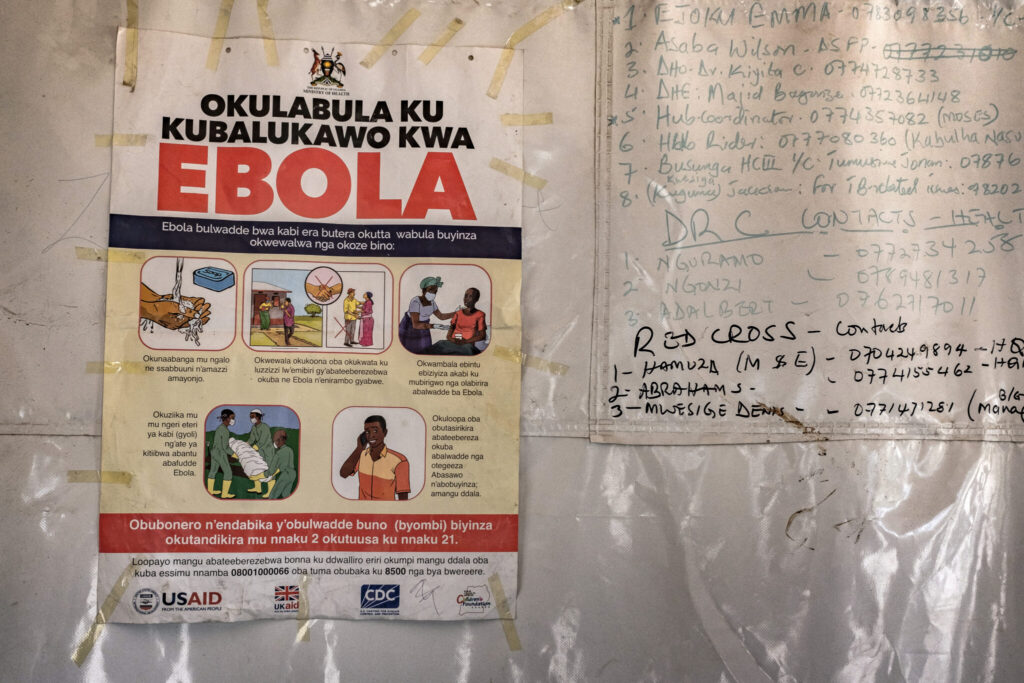
Table of Contents
A Crisis in Central Africa
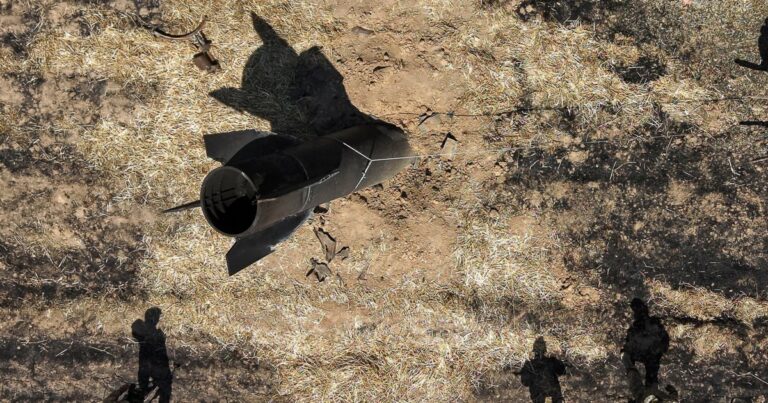
The World Health Organization (WHO) has officially declared the current Ebola outbreak in the Democratic Republic of the Congo (DRC) a public health emergency of international concern (PHEIC). The escalation comes after data revealed a rapidly expanding multinational crisis, with cases now confirmed in both the DRC and neighboring Uganda.
As of May 17, the scale of the outbreak is becoming starkly apparent. According to the US Centers for Disease Control and Prevention (CDC), there are 10 confirmed cases, 336 suspected cases, and 88 deaths within the DRC. Uganda has also reported two confirmed cases and one death. While these figures are far below the catastrophic peaks of the 2014–2016 West African epidemic, the current trajectory places this event among the top ten largest Ebola outbreaks on record.
WHO Director-General Tedros Adhanom Ghebreyesus noted that while the situation does not yet constitute a pandemic emergency, the PHEIC designation is necessary due to the appearance of suspected clusters across multiple health zones and the deaths of four healthcare workers. Crucially, the lack of obvious links between geographically distant clusters suggests the virus is circulating more widely than current testing can detect.
The Danger of the Bundibugyo Strain
What makes this particular outbreak especially alarming to the scientific community is the specific variant of the virus involved. This is not the common Zaire strain, for which vaccines and clinically validated treatments currently exist. Instead, the outbreak is caused by the rare Bundibugyo strain.
The Bundibugyo strain is one of only four known variants of the virus that infect humans, and this marks only the third time it has caused a significant outbreak. With fatality rates historically ranging between 25% and 50%, the absence of a validated vaccine creates a precarious situation for medical teams on the ground. Ebola typically spills over from animal reservoirs—most notably bats and non-human primates—causing severe hemorrhagic fever characterized by vomiting, diarrhea, and internal bleeding.
The WHO has warned that the risk of regional spread is compounded by high population mobility, the urban nature of the current hotspots, and a fragmented network of informal healthcare facilities that may struggle to contain the virus.
US Response and Medical Evacuations
The US government has responded with immediate travel restrictions. The CDC announced it is now screening and monitoring all American citizens arriving from the DRC, Uganda, and South Sudan. Furthermore, non-US passport holders who have visited these countries within the last 21 days are currently barred from entry.
The crisis has already hit home for American medical personnel. Captain Satish Pillai, incident manager for the CDC’s Ebola response, confirmed that one American citizen working in the DRC has tested positive for the virus after exposure. The patient developed symptoms over the weekend and was confirmed positive late Sunday.
Serge, a Christian missionary organization, identified the infected individual as Dr. Peter Stafford, who has been practicing at the Nyankunde Hospital in Bunia since 2023. The CDC is currently coordinating the emergency transfer of Dr. Stafford, along with six other Americans—including his wife, Dr. Rebekah Stafford, and their four children—to a specialized facility in Germany for treatment and monitoring. A third physician with the organization, Dr. Patrick LaRochelle, is also being relocated; both Dr. Rebekah Stafford and Dr. LaRochelle are currently asymptomatic despite having been exposed.
Despite the emergency declaration and the infection of US personnel, Captain Pillai maintained that the overall risk to the general American public remains low.