Vivo Teases X Fold 6 With New ‘OriginOS 6 Fold’ Skin and AI Ambitions
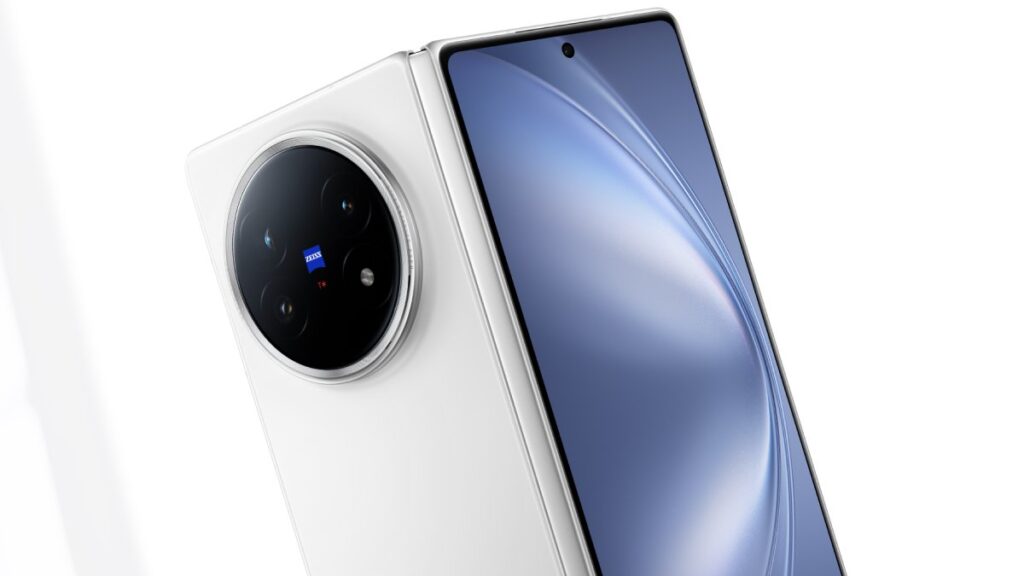
Table of Contents
The Push for Foldable AI Dominance
Vivo is preparing to refresh its foldable portfolio with the official confirmation of the Vivo X Fold 6. While the company has remained tight-lipped regarding a specific calendar date, the announcement arrived via Han Boxiao, a Vivo product manager, who took to Weibo to signal the device’s imminent arrival in the Chinese market. The teaser isn’t just about hardware; it’s a strategic positioning move. According to the official poster, the X Fold 6 represents a “key step” in Vivo’s effort to establish itself as the provider of the best AI user experience on a mobile terminal.
This shift in rhetoric suggests that Vivo is moving away from the pure spec-war—though the specs remain impressive—and toward software-driven utility. For years, foldable phones have struggled to justify their price premiums beyond the novelty of a larger screen. By centering the X Fold 6 around AI and a dedicated foldable OS skin, Vivo is betting that intelligent multitasking and generative tools will be the actual catalysts for mainstream foldable adoption.
OriginOS 6 Fold and the ‘Atomic Workbench’
The most significant reveal in the teaser is the debut of OriginOS 6 Fold. This isn’t merely a branding exercise; it is a custom user interface specifically engineered for the unique aspect ratios of book-style foldables. While the predecessor, the X Fold 5, launched with OriginOS 5 based on Android 15, there is strong speculation that the X Fold 6 could be one of the first devices to leverage an early build of Android 16, or at the very least, a heavily modified version of the current stable branch designed to handle higher-density multitasking.
Central to this new skin is the Atomic Workbench. In theory, this feature aims to solve the “app-switching fatigue” that plagues large-screen devices. The Atomic Workbench is designed to allow users to trigger and manage multiple Android applications simultaneously in a way that feels more like a desktop environment than a stretched-out phone. If implemented correctly, it could bridge the gap between a tablet-lite experience and a true productivity machine, allowing for seamless data drag-and-drop and synchronized workflows across the unfolded display.
Hardware Speculations: Dimensity and Battery Density
While the official teaser focused on software, the leak cycle surrounding the X Fold 6 points toward a significant hardware jump. Rumors suggest the device will be powered by the MediaTek Dimensity 9500. This would signal a continued partnership with MediaTek to compete with Qualcomm’s Snapdragon 8-series, focusing on power efficiency to sustain the heavy demands of on-device AI processing.
Battery life has long been the Achilles’ heel of foldables due to the physical constraints of splitting cells between two halves of a chassis. However, reports indicate the X Fold 6 may house a massive 6,900mAh battery. If accurate, this would put it at the top of the foldable class, providing the necessary headroom for the high-brightness panels and AI-heavy background processes that usually drain foldable batteries by mid-afternoon.
On the imaging front, the device is expected to carry a 200-megapixel primary sensor. This ensures that while the phone is evolving into a productivity tool, it doesn’t sacrifice the camera quality that has become a hallmark of the X-series flagship line.
With the launch expected later this month in China, the industry will be watching to see if OriginOS 6 Fold can actually deliver a cohesive AI experience or if it remains a collection of fragmented features. For now, the X Fold 6 stands as Vivo’s most aggressive attempt to date to redefine what a foldable is meant to do.