US Intelligence Sees Shift in Iranian Leadership Dynamics as Nuclear and Maritime Talks Intensify
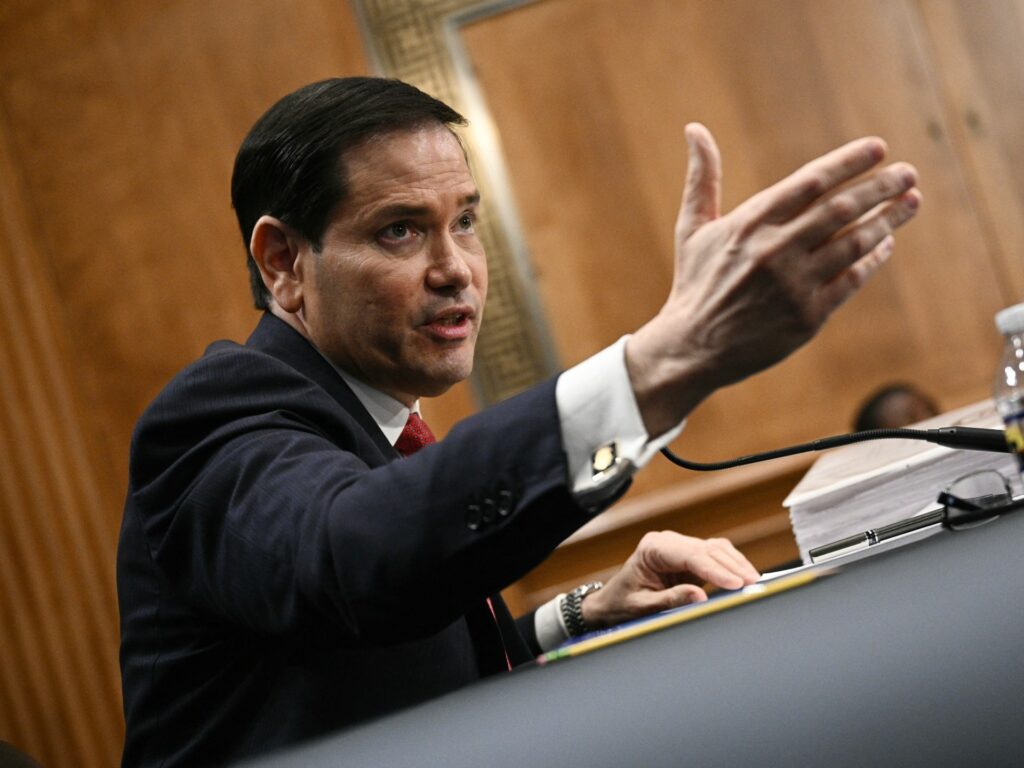
Table of Contents
A Shadowy Return to Governance
In testimony before the Senate Foreign Relations Committee on Tuesday, U.S. Secretary of State Marco Rubio provided a rare glimpse into the internal power dynamics of Tehran, suggesting that Supreme Leader Mojtaba Khamenei is exerting a more direct influence over the state’s strategic direction. Khamenei, who vanished from public view following the U.S. airstrikes that killed his father and predecessor on the first day of the conflict, appears to be steering the current round of negotiations from the shadows.
While there have been no public appearances or televised addresses, Rubio noted that intelligence indicates Khamenei is deeply engaged in the country’s affairs. “I think there are indications out there that he is increasingly engaging at some level, although all of his communications have been in writing and through intermediaries,” Rubio stated, signaling a shift in how the Iranian leadership is managing the current crisis.
The High Stakes of the Strait of Hormuz
The diplomatic friction centers on a precarious truce established on April 8, with the Trump administration pushing for a comprehensive resolution to the war that began in February. Central to these demands is the reopening of the Strait of Hormuz, a critical maritime chokepoint responsible for roughly 20% of the world’s oil and liquefied natural gas (LNG) supplies. The closure of the strait has acted as a global economic lever, spiking energy prices and creating volatility in international markets.
Rubio clarified that the U.S. position remains rigid: the reopening of the strait is a prerequisite, not a bargaining chip for immediate sanctions relief. He explicitly told lawmakers that simply unlocking the maritime route would not be sufficient to trigger a lift on economic penalties. Instead, any relief would be contingent upon “significant concessions” regarding Iran’s nuclear program and its stockpiles of highly enriched uranium.
Nuclear Technicalities and Diplomatic Deadlocks
Perhaps the most significant revelation from the testimony is the expanding scope of the discussions. Rubio indicated that the U.S. and Iran are now touching upon specific technical aspects of the nuclear programme—topics that Tehran had been categorically unwilling to discuss just one month ago. This shift suggests that the pressure of the ongoing conflict and the economic isolation caused by the blockade may be forcing the Iranian leadership to reconsider its red lines regarding uranium enrichment.
However, the mood in Tehran remains one of profound skepticism. The semi-official Mehr news agency reported that Iranian negotiators are reviewing a tightened U.S. proposal with a “stern” approach, citing a lack of trust and perceived U.S. non-compliance with previous ceasefire terms. This tension is compounded by the volatility in Lebanon, where Israel continues strikes in the south despite a U.S.-mediated partial ceasefire.
The Lebanon Link
The geopolitical entanglement extends beyond nuclear centrifuges and shipping lanes. Iran’s chief negotiator and parliament speaker, Mohammad Bagher Ghalibaf, has linked the success of the U.S. talks directly to Israeli actions in Lebanon. In communications with Lebanese Parliament Speaker Nabih Berri, Ghalibaf warned that continued Israeli aggression could not only derail the diplomatic path with Washington but could escalate into a “direct confrontation.”
While President Donald Trump has characterized the talks as progressing at a “rapid pace” via social media, Rubio’s cautious testimony suggests a more fragile reality. The window for a deal remains open, but it is tightly constrained by the competing demands of nuclear disarmament, regional ceasefire requirements, and the restoration of global energy flows.