Marco Rubio signals hardline stance on Iran sanctions, defying potential Strait of Hormuz concessions
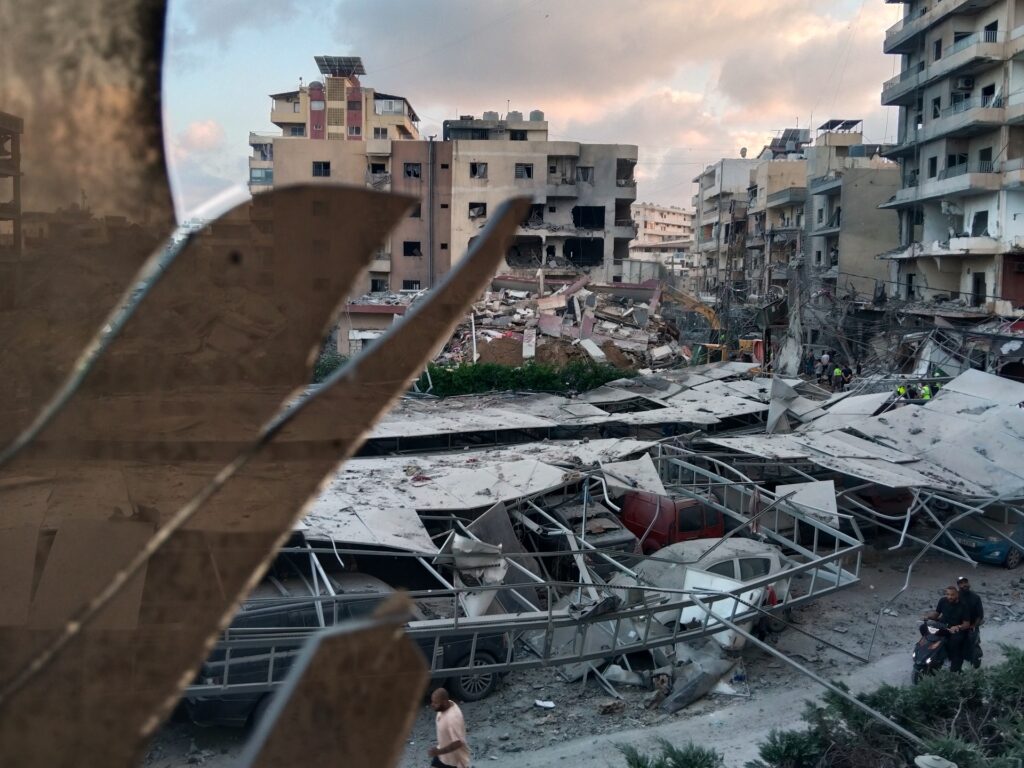
Table of Contents
A Shift in Diplomatic Leverage
In a move that signals a rigid approach to Middle Eastern geopolitics, Senator Marco Rubio has made it clear that the United States will not lift sanctions on Iran, even if the strategically vital Strait of Hormuz were fully reopened and stabilized. The statement comes amid heightened tensions in the region and a series of volatile exchanges between Washington and Tehran regarding nuclear proliferation and maritime security.
The Strait of Hormuz, a narrow waterway that carries roughly one-fifth of the world’s total oil consumption, has long been used as a geopolitical chokepoint. For years, the implicit threat of closing the strait has served as Iran’s primary leverage to force the U.S. to ease economic pressures. By explicitly decoupling the reopening of the strait from the relief of sanctions, Rubio is attempting to neutralize this specific tactical advantage.
The Nuclear Context and IAEA Findings
This hardline stance arrives as the International Atomic Energy Agency (IAEA) provides a complex update on Iran’s nuclear progress. According to the IAEA chief, several nuclear activities within Iran have reportedly stopped, suggesting a possible pause in certain enrichment programs. However, the U.S. administration and figures like Rubio remain skeptical, arguing that temporary pauses are not a substitute for a comprehensive, verifiable agreement that permanently limits Iran’s nuclear capabilities.
The tension is not merely diplomatic but technical. The U.S. has invested heavily in cybersecurity and surveillance capabilities to monitor Iranian nuclear sites, utilizing a mix of satellite imagery and signals intelligence to verify IAEA reports. The refusal to lift sanctions suggests that the U.S. is prioritizing long-term structural containment over short-term maritime stability.
Internal Friction and Foreign Policy Critiques
Rubio’s comments have not been without internal pushback. In recent Senate sessions, the Senator has faced intense grilling over what some colleagues have described as a “dumpster fire” of foreign policy outcomes. Critics argue that an inflexible sanctions regime could lead to “economic havoc,” potentially spiking global oil prices if Iran decides to escalate its disruptions in the Persian Gulf rather than succumb to economic pressure.
The debate highlights a fundamental rift in U.S. strategy: one side favoring a “maximum pressure” campaign to force a total surrender of nuclear ambitions, and the other favoring a calibrated approach where sanctions are used as a bargaining chip to ensure regional stability and energy security.
The Broader Geopolitical Ripple Effect
The decision to maintain sanctions regardless of the Strait’s status has immediate implications for global markets. Energy traders are closely monitoring these signals, as any perceived deadlock in diplomacy often correlates with increased volatility in Brent crude pricing. Furthermore, the situation is being mirrored by ongoing conflicts in southern Lebanon, where Israeli strikes on infrastructure have further destabilized the regional security architecture.
As the U.S. continues to navigate this landscape, the focus remains on whether Iran will respond to this rigidity by further accelerating its nuclear program or if the lack of a “sanctions exit ramp” will eventually force Tehran toward the negotiating table. For now, the message from the U.S. Senate is one of endurance over concession.