US and Iran Reach Tentative Nuclear Deal Amid Escalating Regional Volatility
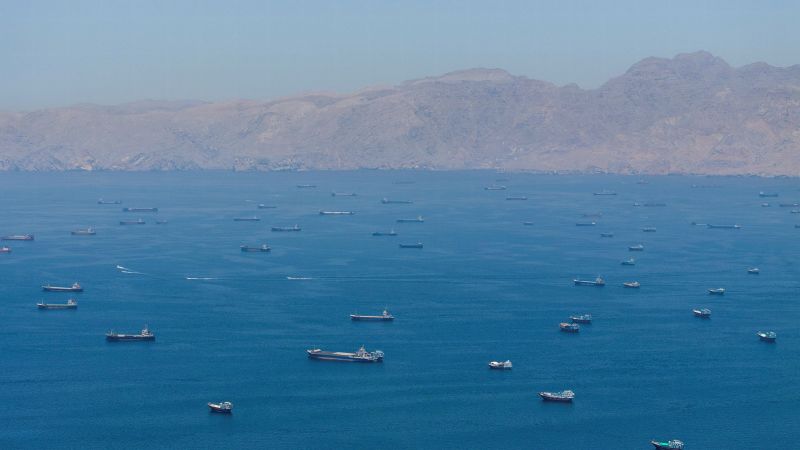
Table of Contents
A Fragile Consensus in the Gulf
US officials have confirmed that a tentative agreement has been reached with Iran to reopen the critical Strait of Hormuz and resume negotiations regarding Tehran’s nuclear program. However, the deal remains in a state of high-stakes limbo, as President Donald Trump has not yet signed off on the memorandum of understanding (MOU). While the administration describes the progress as positive, the agreement’s survival depends entirely on a final executive endorsement that remains “TBD,” according to Vice President JD Vance.
The proposed framework would establish a 60-day window for intensive negotiations focusing on the technical specifics of Iran’s nuclear capabilities. According to Vice President Vance, who spoke to reporters on the tarmac at Joint Base Andrews on Thursday, the two nations are currently locked in a process of “going back and forth” over critical language points. Specifically, the US is seeking deeper concessions regarding Iran’s stockpile of highly enriched uranium and the overall limits on enrichment levels.
The Strategic Pressure Point: Strait of Hormuz
Central to the deal is the stability of the Strait of Hormuz, one of the world’s most vital oil transit chokepoints. The agreement seeks to ensure the free flow of maritime traffic, but the ground reality remains volatile. The Islamic Revolutionary Guard Corps (IRGC) recently reported firing warning shots at four vessels that allegedly attempted to transit the waterway without prior coordination. These skirmishes, characterized by the IRGC as an “exchange of fire,” highlight the precarious nature of a ceasefire that Vice President Vance described as “always a little messy.”
The tension extends beyond the US-Iran binary. Treasury Secretary Scott Bessent has signaled a willingness to apply economic pressure on third parties, specifically threatening sanctions against Oman if the nation supports Iranian efforts to toll vessels transiting the Strait. This follows a stark warning from President Trump, who stated that Oman must not interfere with the oil thoroughfare, underscoring a “maximum pressure” approach even as diplomatic channels cautiously reopen.
Shadows of Military Escalation
The diplomatic overtures are occurring against a backdrop of continued military friction. US Central Command (CENTCOM) confirmed that a ballistic missile fired by Iran toward Kuwait late Wednesday was successfully intercepted. This follows an Iranian claim that it targeted an American air base in retaliation for recent US strikes.
Adding a layer of humanitarian complexity to the current negotiations is the lingering fallout from a strike three months ago that killed 168 children and 14 teachers at a girls’ school in Iran. While CENTCOM’s investigation is nearing completion, preliminary reports suggest the strike may have been an accident resulting from outdated intelligence regarding a nearby naval base. The tragedy continues to fuel anti-American sentiment within Iran, complicating the political capital required for Tehran to finalize a deal with Washington.
The Path Forward
Despite the “flare-ups,” the US administration maintains that Iran is currently negotiating in good faith. However, the lack of an official statement from Iranian officials regarding the tentative deal suggests that Tehran may be waiting for a concrete signal of commitment from the White House before confirming the terms publicly.
For now, the global energy market and the regional security apparatus remain on edge. The 60-day negotiation window represents a narrow path toward avoiding total escalation, but with the final signature resting solely with the President, the agreement remains a fragile blueprint rather than a settled peace.