Acer’s Computex 2026 Play: Moving Snapdragon Beyond the Premium Tier
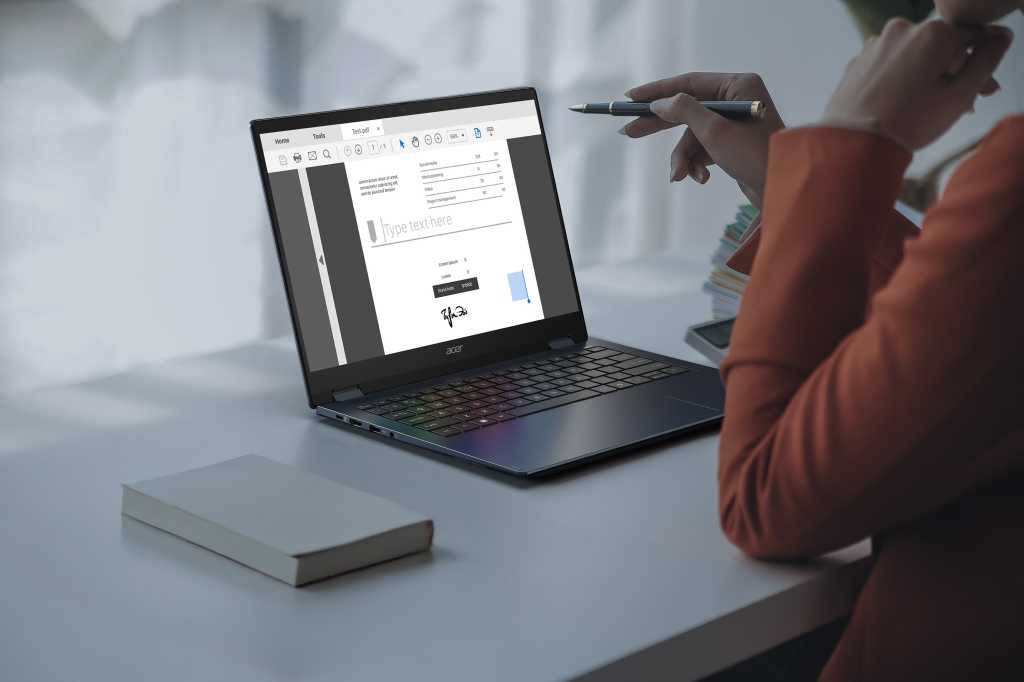
Table of Contents
A Shift in ARM Strategy
For the past several months, the narrative surrounding Windows on ARM has been centered on the ‘premium’ experience. From the surface-level marketing of Copilot+ PCs to the high-price ceilings of the initial Snapdragon X Elite wave, ARM-based laptops have largely been positioned as luxury productivity tools. However, at Computex 2026, Acer signaled a pivot toward the mass market, unveiling two new Qualcomm-powered machines: the high-performance Swift Spin 14 AI and the more understated Aspire Go 15.
While the Swift Spin 14 AI carries the heavy lifting of Acer’s AI ambitions, the Aspire Go 15 represents a more significant strategic move. By integrating Qualcomm’s new Snapdragon C chip into its budget-friendly Aspire line, Acer is betting that the average consumer cares less about NPU TOPS (Tera Operations Per Second) and more about whether a laptop can actually last a full school day or a cross-country flight without hunting for a power outlet.
The High-End: Swift Spin 14 AI
The Swift Spin 14 AI arrives as a versatile 2-in-1, leaning heavily into the hardware requirements set by Microsoft’s Copilot+ framework. Depending on the SKU, the device will ship with either the Snapdragon X2 Elite or the X2 Plus. The performance ceiling here is high, with Acer claiming up to 80 TOPS of AI performance—a figure designed to keep the machine relevant as local LLMs (Large Language Models) become more integrated into the Windows shell.
Beyond the AI specs, the machine focuses on connectivity and versatility. It supports up to three external 4K displays, attempting to solve the ‘docking’ anxiety that often plagues ARM-based laptops. It’s a comprehensive hardware package, but in the crowded landscape of AI PCs, it follows a familiar blueprint. The real question for the Swift Spin is whether the X2 series provides enough of a leap in efficiency and raw power to justify the 2-in-1 premium over traditional x86 alternatives from Intel or AMD.
The Real Story: The Aspire Go 15
The Aspire Go 15 is where the narrative shifts. Unlike its flashier sibling, the Aspire Go 15 ignores the AI hype cycle almost entirely. Built around the new Snapdragon C chip, this device is designed for the ‘basics’—web browsing, streaming, and document editing. This is a pragmatic application of ARM architecture; the Snapdragon C is engineered for efficiency over peak performance, allowing Acer to claim a battery life of up to 23 hours.
This is a critical move for the budget sector. Traditionally, cheap laptops have been plagued by poor battery life and loud fans. By using an ARM chip in a budget chassis, Acer can potentially offer a fanless or near-silent experience with endurance that was previously reserved for high-end Ultrabooks or Chromebooks. For a student or a remote worker who primarily lives in a browser, a 23-hour runtime is a far more compelling selling point than the ability to run a local AI image generator.
Market Timing and Availability
Acer has confirmed a launch window for the Swift Spin 14 AI in August 2026. The Aspire Go 15, however, remains without a firm release date or pricing. This lack of clarity is typical for Computex showcases, but it leaves a gap in the market that competitors like Lenovo or HP may look to fill if they can bring similarly efficient, low-cost ARM chips to their entry-level lines first.
The success of these devices will ultimately depend on software compatibility. While the Prism emulator has improved the experience of running legacy x86 apps on ARM, the ‘budget’ user is the one most likely to encounter friction with niche software. If Acer can ensure a seamless transition for the Aspire Go 15, they may have found the sweet spot for the next generation of affordable computing.