UK Revokes Visas for Cenk Uygur and Hasan Piker Ahead of SXSW London
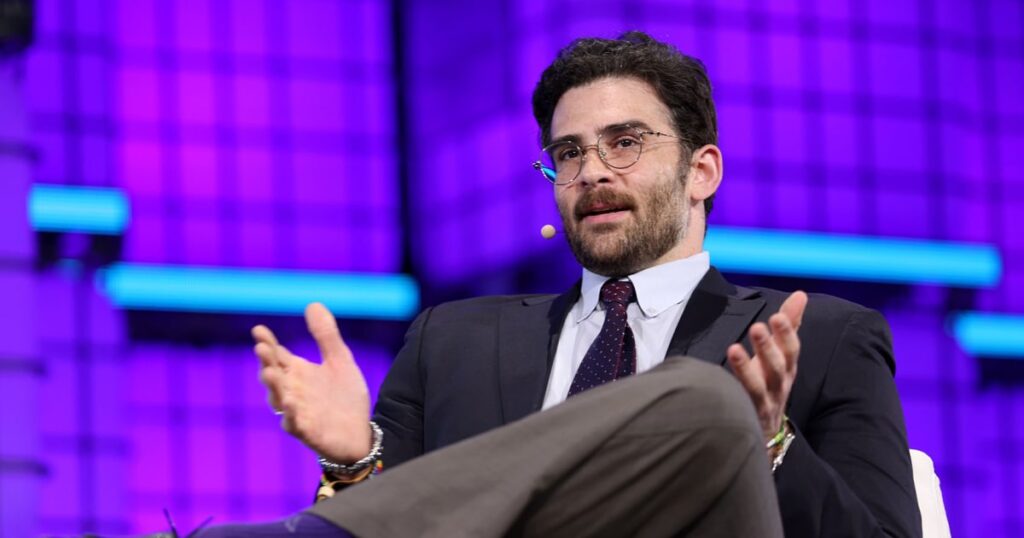
Table of Contents
The Home Office Intervention
The British government has blocked Turkish-American media personality Cenk Uygur and his nephew, Twitch streamer Hasan Piker, from entering the United Kingdom, effectively canceling their scheduled appearances at several high-profile digital and academic events. The move comes as both men were slated to participate in the SXSW London festival and a speaking engagement at the University of Oxford.
In a concise statement, the UK’s interior ministry confirmed that travel authorizations for the two individuals had been revoked. The ministry cited a standard administrative justification, stating that their presence in the country “may not be conducive to the public good.” Notably, the official statement stopped short of providing specific reasons or naming any particular political or geopolitical catalyst for the decision.
The ban has sparked an immediate backlash from the creators, who argue that the decision is a direct reaction to their public criticisms of the Israeli government. “I’ve been banned for criticizing Israel. Are we free anymore?” Uygur posted on social media after his attempt to board a flight was thwarted. Piker echoed this sentiment, explicitly claiming that the visa revocations occurred “at the behest of Israel.”
Collision of Tech Culture and Geopolitics
The impact of the ban is felt most acutely at SXSW London, a festival designed to bridge the gap between business, technology, and creativity. Piker, whose influence on Twitch is central to the modern left-wing digital ecosystem, was scheduled to present a session titled “How the American Left Learned to Speak the Internet.” His talk was intended to analyze the intersection of political mobilization and live-streaming technology.
Uygur, the co-founder of The Young Turks, was set to lead a discussion on “Techno-Feudalism is Here. Who Are the Lords?” This topic touches on the growing trend of platform capitalism, where a few tech giants exert quasi-sovereign control over digital infrastructure and economic activity. Despite the political nature of their overall brands, neither session was listed as being focused on Middle Eastern politics on the official festival website.
The reach of these two figures underscores the scale of the disruption. Uygur’s network attracts upwards of 200 million views per month, while Piker maintains a consistent daily live audience of roughly 30,000 viewers, making them significant nodes in the global distribution of digital political commentary.
A Pattern of Border Control
This incident is not an isolated case of the UK using visa restrictions to manage political discourse. The British government has increasingly utilized its “conducive to the public good” clause to filter out voices it deems destabilizing. In May, the government barred 11 individuals identified as “foreign far-right agitators” who were intending to support events organized by anti-Islam activist Tommy Robinson.
The duality of these bans—targeting both the far-right and the progressive left—suggests a broader strategic shift in how the Home Office manages the risk of public disorder linked to international speakers. However, the move has drawn scrutiny from U.S. political figures. Both Donald Trump and JD Vance have previously criticized the UK’s handling of free speech, suggesting that British standards of expression are becoming increasingly restrictive compared to the American First Amendment model.
As the SXSW London events proceed, the absence of Uygur and Piker highlights the precarious nature of the “global stage” for digital creators, where viral influence does not always translate into diplomatic immunity. Neither the University of Oxford nor the organizers of SXSW London have issued detailed statements on how they intend to fill the void left by the banned commentators.