Trump Urges Immediate De-escalation as Israel and Iran Trade Strategic Strikes
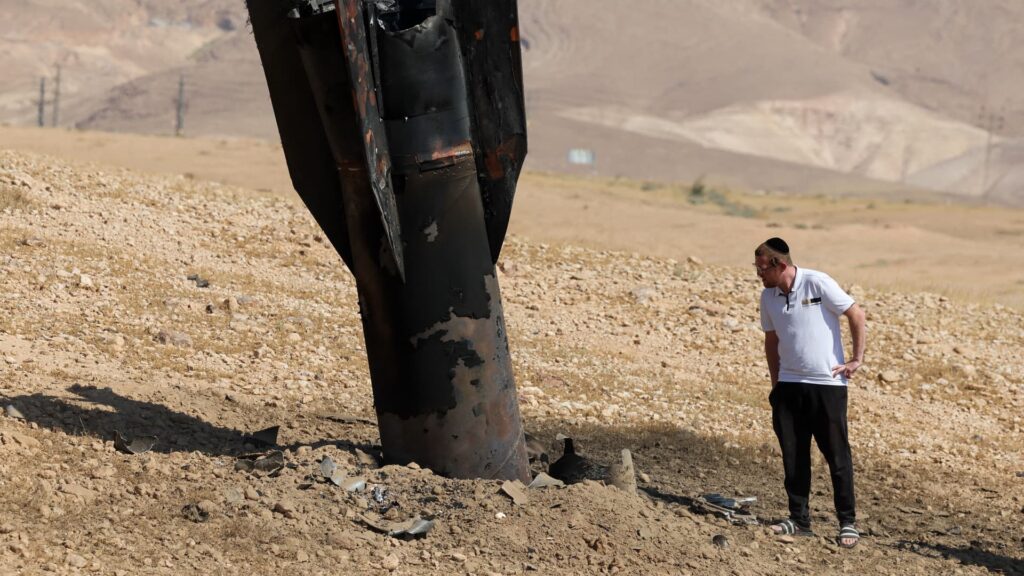
Table of Contents
A Fragile Peace Fractures
The precarious stability of the Middle East has shifted back toward open conflict as Israel and Iran engaged in a direct exchange of missile strikes this week, marking the first significant breach of the ceasefire that had been in place since early April. President Donald Trump has stepped into the fray, calling for both nations to “immediately stop shooting” via a post on Truth Social, as the White House scrambles to contain a situation that threatens to undo months of diplomatic maneuvering.
The escalation began Sunday when the Israeli Defense Forces (IDF) detected missiles launched from Iranian territory. The IDF confirmed that its defensive interceptor systems were activated to neutralize the threat. By Monday, the response was decisive: the IDF announced via X (formerly Twitter) that it had carried out a “large-scale strike on strategic defense systems” targeting military installations in western and central Iran. This targeted degradation of Iranian air defense capabilities suggests a calculated move by Israel to ensure regional air superiority should the conflict widen.
Diplomatic Miscalculations and Strategic Friction
Inside the White House, the mood is reportedly one of cautious frustration. An official, speaking on condition of anonymity, admitted to MS NOW that the administration may have underestimated Tehran’s willingness to restart hostilities. This admission points to a potential fundamental miscalculation in the Trump administration’s approach to the “maximum pressure” campaign combined with a tentative ceasefire.
The conflict is further complicated by the ongoing situation in Lebanon. Iranian Parliamentary Speaker MB Ghalibaf argued that the U.S. naval blockade and perceived violations of agreements regarding Lebanon have rendered U.S. and “regime” bases in the region legitimate targets. This rhetoric suggests that Tehran views the ceasefire not as a standalone agreement, but as a conditional arrangement tied to the broader cessation of hostilities across all regional fronts.
In a phone call with the Financial Times, President Trump maintained a posture of absolute authority, asserting that Prime Minister Benjamin Netanyahu would ultimately have “no choice” but to accept a U.S.-brokered deal with Iran, stating bluntly that the U.S. president “calls the shots.” However, the willingness of Tehran to return to the table is now in question. An Iranian official linked to the negotiations told MS NOW that a deal with the current administration is “no longer feasible,” citing the volatility in Lebanon as a primary deterrent.
The Nuclear Standoff and Asset Warfare
At the heart of this instability remains the unresolved nuclear dispute. Washington continues to demand that Iran surrender its nuclear material and provide verifiable guarantees against the development of a nuclear weapon. In exchange, Iran seeks a total end to the U.S. blockade of its ports and shipping lanes—a demand that clashes directly with U.S. strategic goals in the Persian Gulf.
Adding a new layer of economic tension, the Trump administration is reportedly weighing the redirection of frozen Iranian assets to allied Gulf states to fund the reconstruction of infrastructure damaged by Iranian strikes. This move would essentially weaponize frozen capital as reparations.
Iran has reacted sharply to these reports. Deputy Foreign Minister Kazem Gharibabadi, writing on X, rejected the notion that Iranian assets should be treated as “war spoils for Washington” or a “payment fund” for its allies. The dispute over these assets adds a financial dimension to the kinetic warfare, turning frozen bank accounts into a primary point of contention in the diplomatic standoff.
As the IDF continues to monitor Iranian airspace and Tehran warns that future responses will be “broader,” the window for a diplomatic off-ramp is closing. The current cycle of retaliation highlights the extreme difficulty of maintaining a ceasefire when the underlying strategic grievances—nuclear proliferation and regional hegemony—remain fundamentally unaddressed.