The Witcher 3: Wild Hunt Remains the Definitive Blueprint for the Modern Open-World RPG
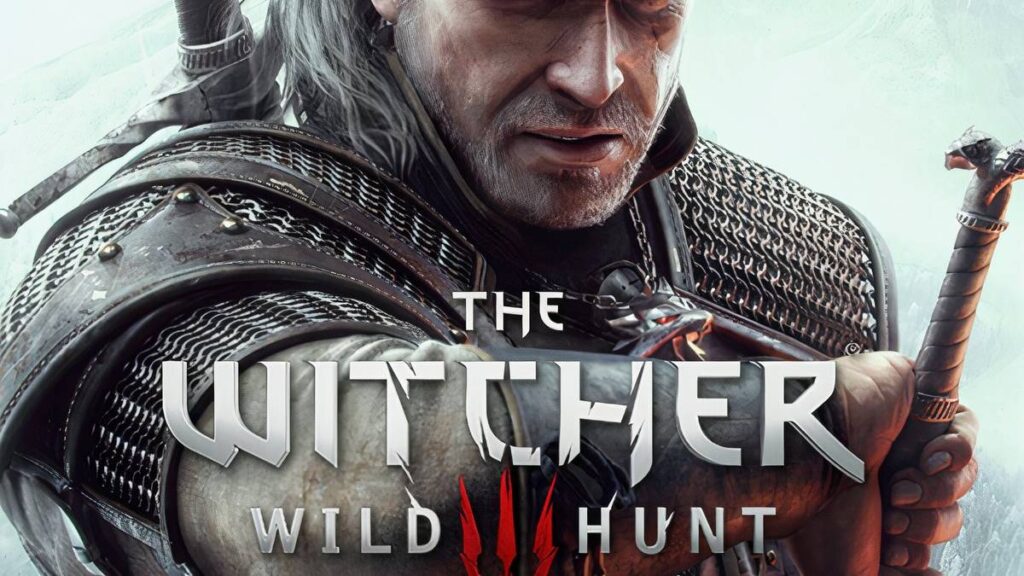
Table of Contents
Beyond the Quest Marker: How Geralt Changed the Genre
When CD Projekt Red released The Witcher 3: Wild Hunt, the open-world RPG landscape was dominated by a specific kind of design: the ‘checklist’ map. Players were accustomed to sprawling environments filled with repetitive tasks and binary moral choices. However, the story of Geralt of Rivia introduced a level of narrative maturity and structural complexity that shifted the industry’s expectations of what a digital world could be.
At its core, The Witcher 3 isn’t just a monster-hunting simulator; it is a study in moral ambiguity. Unlike its contemporaries, the game eschews a traditional ‘good vs. evil’ karma meter. Instead, players are forced to navigate a grey area where the ‘lesser evil’ often carries a heavy price. Whether dealing with corrupt royalty or treasonous generals, the consequences of Geralt’s actions are not immediate, but ripple through the world hours later, making the player’s agency feel authentic rather than scripted.
The Mechanics of the Hunt
The gameplay loop is built around the identity of the Witcher—a mutated mercenary designed for a specific, violent purpose. This isn’t mindless combat. Success in the game requires a synthesis of preparation and execution. Players must utilize a range of upgradeable weapons, mutating potions, and combat magic to dismantle foes that vary from savage beasts in mountain passes to supernatural predators in urban back alleys.
This systemic approach to combat is mirrored in the world’s economy. Rewards from contracts aren’t merely gold for the sake of accumulation; they are essential for survival. Investing in custom armor or upgrading weaponry is a necessity, though the game provides a distinct breath of air through its side activities, most notably the addictive Gwent card game and regional horse races, which ground the high-fantasy stakes in a believable, lived-in culture.
Technical Reach and Accessibility
One of the most striking aspects of the title’s longevity is its technical versatility. While it launched during the PlayStation 4 and Xbox One era, the game has successfully migrated across nearly every major platform of the last decade. From the high-fidelity performance of the PlayStation 5 and Xbox Series X to the surprisingly competent port on the Nintendo Switch, CD Projekt Red managed to maintain the scale of the continent without sacrificing the intimacy of its dialogue-driven encounters.
The world design—spanning forgotten ruins, deep caves, and bustling dwarven smithies—demonstrates a commitment to density over sheer size. Every shipwreck and hidden cavern feels intentional, contributing to a sense of discovery that few modern titles have managed to replicate without relying on intrusive UI markers.
A Lasting Industry Impact
Even years after its critical peak, where it was hailed as a frontrunner for Game of the Year, The Witcher 3 serves as a primary case study for developers today. The game’s influence can be seen in how current RPGs handle side quests, treating them as self-contained stories rather than filler content. By focusing on character-driven narratives and a world that reacts to the player, CD Projekt Red didn’t just create a successful game; they redefined the standard for digital storytelling in the technology of interactive entertainment.
While the game is not without its flaws—occasionally struggling with clunky movement or pacing issues in the final act—its achievement in blending a massive scale with a personal, intimate story remains a benchmark for the genre.