The ‘Must-Play’ Trap: Why The Witcher 3’s Critical Consensus Isn’t Universal
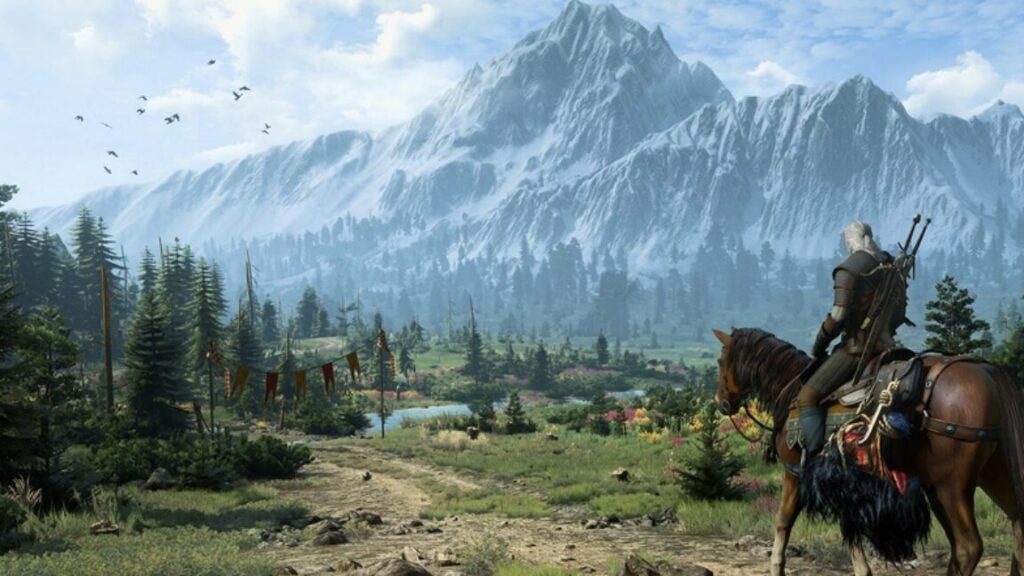
Table of Contents
The Burden of the Masterpiece
In 2015, The Witcher 3: Wild Hunt didn’t just launch; it colonized the gaming conversation. Between the deluge of Game of the Year awards and the endless Reddit threads hailing it as the gold standard of the open-world RPG, the game became more than a product—it became a litmus test for taste. If you loved it, you were part of the cultural zeitgeist. If you didn’t, you were often asked what exactly was wrong with your sensibilities.
For many, this creates a phenomenon that can only be described as ‘mandatory gaming.’ The pressure to finish a critically adored title to avoid being left out of the loop often transforms a leisure activity into a slog of endurance. It is a struggle that mirrors the recent hype surrounding titles like Clair Obscur: Expedition 33, where the collective roar of influencers and critics can drown out the individual player’s experience.
The Identity Gap: Preset vs. Projected
At the heart of the disconnect often lies a fundamental difference in how players perceive the ‘Role-Playing’ aspect of an RPG. For a significant portion of the community, the appeal of the genre is the blank slate—the ability to define a character’s identity, morality, and background from scratch. This is the draw of titles like Skyrim or the original Mass Effect trilogy, where the player isn’t just playing a character, but inhabiting a persona they helped construct.
The Witcher 3 takes a different approach. You are not a blank slate; you are Geralt of Rivia. Geralt comes with decades of established lore, a specific set of professional ethics, and a pre-defined history that spans books and previous games. While CD Projekt Red’s writing allows for meaningful branching dialogue, these choices generally function as different lenses through which to view Geralt’s existing personality, rather than a means of fundamentally altering who he is.
Even within CD Projekt Red’s own portfolio, Cyberpunk 2077 offers a middle ground. While V has certain narrative anchors, the ability to customize appearance and background creates a stronger sense of player agency in identity formation—something entirely absent in the rigid, albeit masterful, framework of Geralt’s life.
From Zero to Hero vs. Hero to Legend
Beyond identity, there is the matter of the ‘power fantasy’ curve. Many RPG enthusiasts crave the journey from novice to master—the satisfaction of starting as a nobody and slowly earning power. Games like Elden Ring leverage this struggle, making the eventual triumph feel earned through attrition and growth.
The Witcher 3 flips this script. Geralt starts the game as a professional. He is already a mutated, highly trained elite. The game’s progression systems allow for specialization and strengthening, but the baseline is already high. For players who find joy in the ‘zero-to-hero’ trajectory, being thrust into the shoes of an established powerhouse can strip away the motivation that drives exploration and combat.
The Echo Chamber of Influence
This friction highlights a growing tension in modern gaming culture. There is a frequent lament on social media that players no longer form organic opinions, instead parroting the consensus of high-profile streamers and YouTubers. While algorithms and community belonging play a role, this isn’t a new phenomenon; it is simply the evolution of the ‘anointed’ game.
Acknowledging that a masterpiece doesn’t work for everyone isn’t an indictment of the game’s quality, but an admission of the genre’s diversity. The Witcher 3 remains a towering achievement in storytelling and world-building, but for those who value projection over interpretation, the experience can feel less like an adventure and more like a job.