The ‘Tiger’ Takes Bogotá: How Trump’s Endorsement and Bukele-Style Populism Reshaped Colombia’s Election
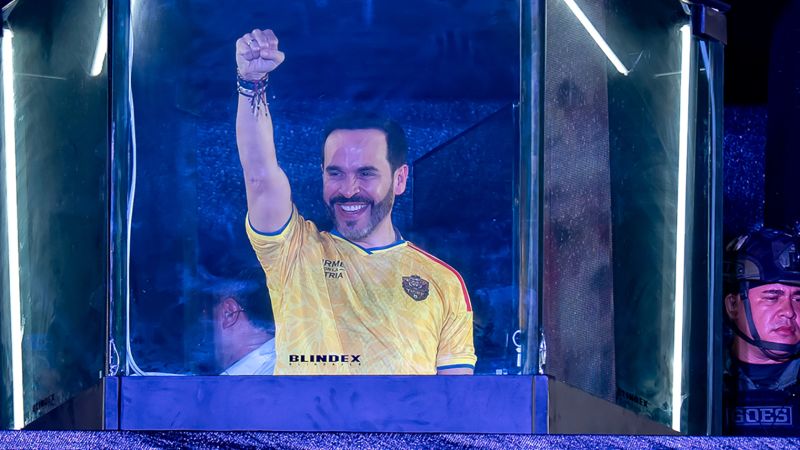
Table of Contents
A New Right-Wing Order in Bogotá
Colombia has pivoted sharply toward the far-right. Preliminary vote counts from Sunday’s presidential runoff show Abelardo de la Espriella—a former criminal defense attorney known by the moniker “the Tiger”—holding a narrow lead over government-backed candidate Iván Cepeda. With 99.91% of ballots tallied, the margin is slim, and while both Cepeda and outgoing President Gustavo Petro have acknowledged the gap, the final binding result still rests with the national electoral commissions.
The victory, if certified, marks a definitive rejection of Petro’s “Total Peace” initiative, which sought to quell Colombia’s decades-long internal conflict through negotiation and social investment. Instead, de la Espriella arrives with the explicit endorsement of U.S. President Donald Trump, who celebrated the result on Truth Social with a characteristically blunt: “He Won, Big!”
The Blueprint: From San Salvador to Buenos Aires
De la Espriella isn’t just running on a local platform; he is importing a specific brand of “iron-fist” governance currently sweeping through Latin America. His strategy draws a direct line to El Salvador’s Nayib Bukele, particularly in his proposal to construct “mega-prisons” to warehouse gang members and insurgents. This approach targets a public exhausted by the failure of the 2016 peace accord, which promised stability but has seen a resurgence of landmines and guerrilla warfare in rural districts.
Beyond security, de la Espriella is echoing the fiscal shock therapy of Argentina’s Javier Milei. He has advocated for drastic reductions in public spending, signaling a move toward a leaner, more aggressive state. This ideological alignment is further cemented by a network of international supporters, including Italy’s Prime Minister Giorgia Meloni and the family of Brazil’s former President Jair Bolsonaro, positioning Colombia as the latest domino to fall in a regional shift toward right-wing populism.
A Legal Maverick in the Presidential Palace
The transition from the courtroom to the Casa de Nariño is a steep one. De la Espriella is not a career politician; he is a high-profile lawyer who once represented figures as diverse as Alex Saab—the alleged financier for Nicolás Maduro—and agents involved in a 2012 U.S. Secret Service prostitution scandal. His past comments on the legal profession—notably suggesting that “ethics has nothing to do with law”—may provide fodder for critics as he assumes an office defined by constitutional mandates.
His governing coalition is equally precarious. The “Defenders of the Homeland” movement currently holds zero seats in either the Colombian Senate or the House of Representatives. To pass any legislation, de la Espriella will be forced to negotiate with traditional conservative parties that, while aligned on policy, may be wary of his populist volatility. Additionally, his triple citizenship (Colombian, U.S., and Italian) creates a unique legal curiosity, as the pledge of allegiance required for U.S. naturalization potentially clashes with the duties of a foreign head of state.
The Reality of the ‘Total Peace’ Vacuum
The most immediate challenge for the incoming administration is the deteriorating security situation in the countryside. While Petro argued that his strategy of engaging insurgents was beginning to shrink coca fields for the first time since 2019, the ground reality remains brutal. Data from the Ideas For Peace Foundation indicates that criminal groups recruited 5,000 new members last year alone, filling the void left by the disbanded FARC.
The return of landmines to previously cleared areas has turned rural education into a survival course, with fifth graders reportedly learning how to identify unexploded ordnance. Retired Colonel Luis Villamarin notes that ten years of painstaking demining work are being erased in a matter of months. Whether “the Tiger’s” promise of a definitive crackdown can break this cycle, or simply escalate the violence, remains the central question for Colombia’s future.