The Silence of Dragon Quest 12: Why Square Enix is Playing the Long Game
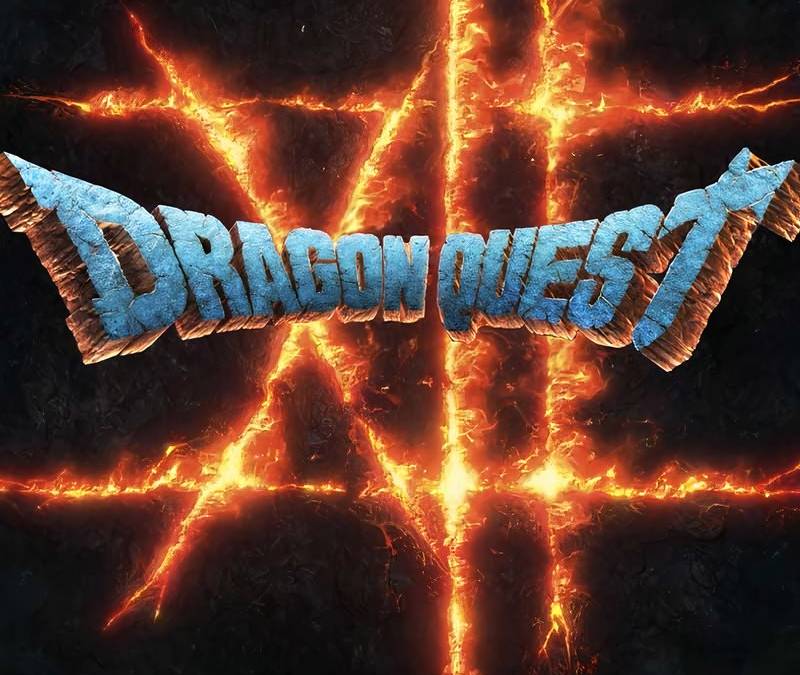
Table of Contents
A Teaser That Never Ended
On May 27, 2021, Square Enix marked the 35th anniversary of the Dragon Quest franchise with a brief, high-impact announcement: Dragon Quest 12: The Flames of Fate was officially in development. Since that moment, however, the communication pipeline has gone virtually silent. In an industry where “coming soon” typically translates to a 12-to-24 month window, the three-year void following the announcement of The Flames of Fate has left the community speculating whether the project is facing systemic delays or a fundamental shift in design.
This silence is particularly jarring given the momentum of Dragon Quest XI: Echoes of an Elusive Age, which successfully modernized the series’ combat and visuals, paving the way for a massive global audience. For Square Enix, Dragon Quest 12 isn’t just another entry; it is the bridge that must maintain the series’ prestige while navigating the hardware capabilities of the current console generation.
The HD-2D Paradox
While news on the flagship title remains scarce, Square Enix has been aggressively leaning into the HD-2D aesthetic—a blend of high-resolution pixels and 3D environments seen in Octopath Traveler and recently applied to various remakes. This creates a curious tension for the future of the main series. If Square Enix continues to prioritize these nostalgic, stylized remakes, it suggests a strategic hedge: keeping the brand relevant through iterative, lower-risk releases while the massive, high-budget Dragon Quest 12 undergoes a potentially grueling polish phase.
There is an underlying risk here. The a-la-carte nature of these remakes can dilute the anticipation for a numbered sequel. When the company spends its marketing energy on reimagining old encounters, the prospect of The Flames of Fate begins to feel less like an imminent release and more like a distant horizon. For players who have waited since 2021, the “bittersweet” nature of HD-2D remakes is that they provide content to play, but they don’t move the narrative of the franchise forward.
The Protagonist Problem
One of the most persistent points of contention among series veterans is the evolution of the protagonist. Traditionally, Dragon Quest has favored the “silent hero”—a blank slate allowing the player to project themselves into the world. However, as JRPGs evolve toward more cinematic, character-driven narratives (akin to the trajectory of Final Fantasy), there is mounting pressure for Dragon Quest 12 to break this mold.
If The Flames of Fate continues with a voiceless, personality-free lead, it risks feeling archaic compared to the deep characterizations found in modern competitors. Conversely, giving the lead a defined voice and backstory could alienate the traditionalists who view the silent protagonist as a core tenet of the series’ identity. This design crossroads is often where the most significant development delays occur, as studios struggle to balance heritage with modernization.
Market Position and the Waiting Game
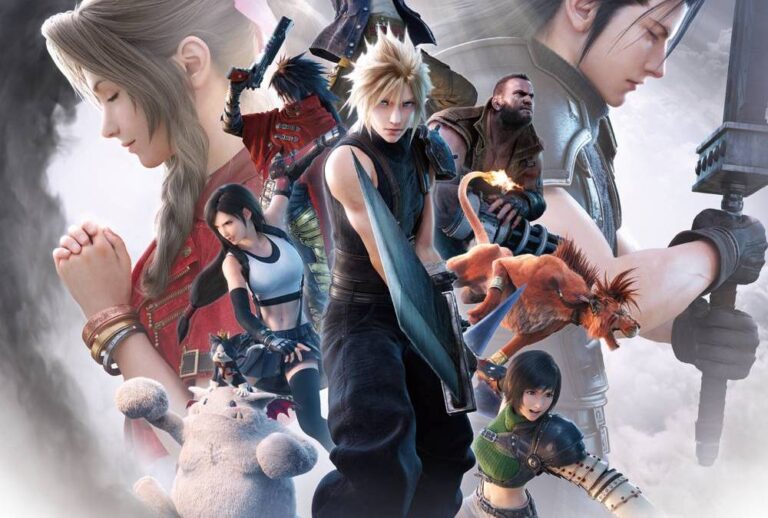
Square Enix is currently navigating a complex release calendar. With the continued success of Final Fantasy VII Rebirth and other internal projects, the scheduling of Dragon Quest 12 likely depends on a window that doesn’t cannibalize its own sales. The game is expected to be a cornerstone title for the franchise’s longevity, meaning a premature or unpolished launch would be catastrophic for the brand’s reputation in the West.
Until a formal gameplay trailer or release date emerges, the community is left with a teaser and a title. Whether The Flames of Fate arrives as a traditional turn-based epic or a radical departure, the anticipation has reached a fever pitch that only a substantial, tangible update can resolve.