Assassin’s Creed Shadows Shifts the Franchise Dynamic with Dual-Protagonist System in Feudal Japan
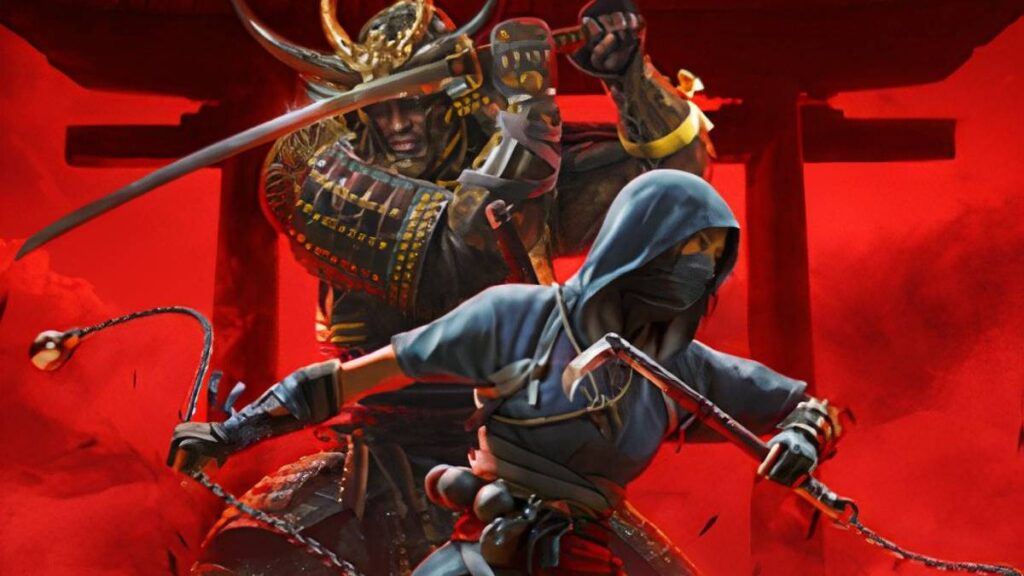
Table of Contents
A Tale of Two Combat Styles
Ubisoft has long navigated the tension between the ‘Assassin’ and the ‘Warrior’ in its flagship franchise. With the reveal of Assassin’s Creed Shadows, the studio is no longer attempting to blend these identities into a single, jack-of-all-trades protagonist. Instead, the game splits the experience between two distinct characters: Naoe, a shinobi, and Yasuke, a legendary samurai.
This dual-protagonist architecture isn’t just a narrative choice; it’s a mechanical pivot. For years, players have criticized the series for making stealth feel like a formality before an inevitable brawl. By isolating stealth and agility within Naoe’s kit, Ubisoft is effectively creating two different games within one world. Naoe represents the classic series ethos—avoidance, agility, and the surgical strike—while Yasuke provides the raw power and direct confrontation that characterized the more combat-heavy RPG entries like Odyssey and Valhalla.
Environmental Reactivity and the Open World
The setting of feudal Japan has been a fan-requested destination for over a decade, and Shadows aims to justify the wait through technical environmental systems. The game introduces a dynamic weather and seasonal cycle that affects more than just the visuals. Unpredictable weather patterns and changing seasons are designed to be reactive, meaning the environment itself becomes a tactical variable during missions.
This level of reactivity suggests a shift toward a more systemic open world. Rather than static checkpoints, players must contend with a living landscape where a sudden rainstorm or a shift in foliage could fundamentally alter the visibility and sound profiles of a stealth mission, forcing players to adapt their approach in real-time.
Expanding the Infrastructure: The Shinobi League
Beyond the combat and traversal, Ubisoft is introducing a layer of strategic management through the ‘Shinobi League.’ This system allows players to build a network of spies, turning information into a tangible resource. This is a departure from the traditional ‘find the target’ loop, as players must now curate their intelligence gathering to narrow down the location of their marks.
This organizational element extends to a fully customizable hideout. While hideouts have appeared in various forms throughout the series, the emphasis here is on training a crew and crafting gear that supports the specific needs of both protagonists. This suggests a deeper progression loop where the player’s influence on the world is measured not just by kills, but by the strength of their operational network.
Technical Deployment and Market Positioning
Launching across PlayStation 5, Xbox Series X|S, and PC, Assassin’s Creed Shadows is positioned as a return to form. After the sprawling, often bloated experiences of the recent RPG trilogy, early critical reception—including a strong 9/10 from GameRant—points toward a tighter, more focused historical adventure.
By leaning into the historical friction of 16th-century Japan and providing two fundamentally different ways to interact with that world, Ubisoft is attempting to recapture the focused atmosphere of the early series while utilizing the high-fidelity hardware of the current generation to deliver a truly reactive environment.