Final Fantasy VII Revelation: Square Enix Prepares the Highwind for the Saga’s Massive Finale
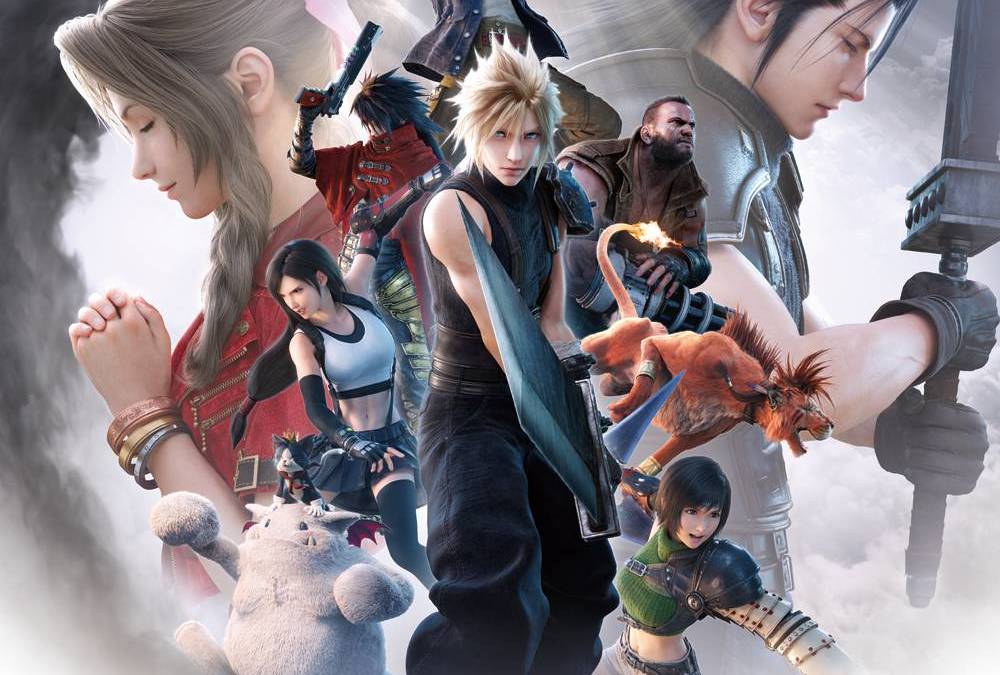
Table of Contents
The Highwind Returns for the Final Chapter
Square Enix has finally pulled back the curtain on the concluding chapter of its ambitious reimagining of a PlayStation classic. Final Fantasy VII Revelation marks the third and final entry in the Remake series, shifting the narrative focus toward a global scale that dwarfs the urban confinement of Midgar and the regional exploration of the second installment.
Central to this new entry is the return of the Highwind, the iconic airship that serves as both a primary transportation hub and a mobile base of operations. Unlike previous entries, where travel felt segmented, Revelation appears to be leaning into a more boundless exploration model. The integration of the Highwind suggests a design philosophy geared toward a vast, interconnected world, aiming to satisfy long-standing fan desires for a truly open experience before the story reaches its inevitable conclusion.
Evolving the Combat Engine
While the transition from Remake to Rebirth refined the synergy between party members, Revelation is reportedly introducing more aggressive changes to the combat system. Internal reporting and director insights suggest a shift toward a more dynamic, strategic layer that balances the real-time action of the series with a renewed focus on party assembly. For the first time in the trilogy, players will be able to fight alongside a fully assembled party, removing the restrictive party-swapping mechanics that defined earlier segments of the journey.
This mechanical shift isn’t just about numbers on the screen; it’s about the synergy of abilities. The combat is expected to evolve into a more fluid system where strategic positioning and combined attacks are essential for tackling the endgame’s escalating difficulty.
The Return of Queen’s Blood and Minigame Depth
Square Enix is also doubling down on the ‘game-within-a-game’ philosophy. Queen’s Blood, the card game that became an unexpected obsession for players in the previous chapter, returns in Revelation with significant modifications. Rather than a simple port of the previous rules, the game is being tweaked to provide fresh strategic depth, ensuring that the minigame evolves alongside the main narrative.
Beyond the cards, the title is confirming the inclusion of new minigames designed to flesh out the world-building. These additions are not mere distractions but are being used to expand the lore and provide character development in ways that traditional cutscenes cannot.
Hardware Reach and the Switch 2 Factor
Perhaps most intriguing for the industry is the confirmed platform list. While the game is slated for PlayStation 5, Xbox Series X, and Xbox Series S, the inclusion of the Nintendo Switch 2 (working title) is a significant signal. This confirms that Square Enix is targeting the next generation of Nintendo hardware, likely leveraging the increased power to handle the massive scale of the Highwind’s world without compromising the fidelity seen on high-end consoles.
The decision to target both Xbox and Nintendo platforms suggests a strategy of maximum reach for the finale, ensuring that the culmination of a decade-long project is accessible across the entire gaming ecosystem.
Sephiroth and the Narrative Stakes
The antagonist’s role is also undergoing a transformation. Early details indicate a ‘big change’ to Sephiroth’s implementation in Revelation. While specific plot points remain under wraps, the narrative trajectory suggests that the villain will be more present and influential in the world’s physical state, rather than appearing as a sporadic, ghostly omen. Everything in the trilogy—from the first step in Midgar to the vast plains of the second act—has been leading to this specific confrontation, and the scale of the world is designed to reflect that gravity.