The Quest for a Phone-Free Bedroom: Testing the Dreamie Alarm Clock
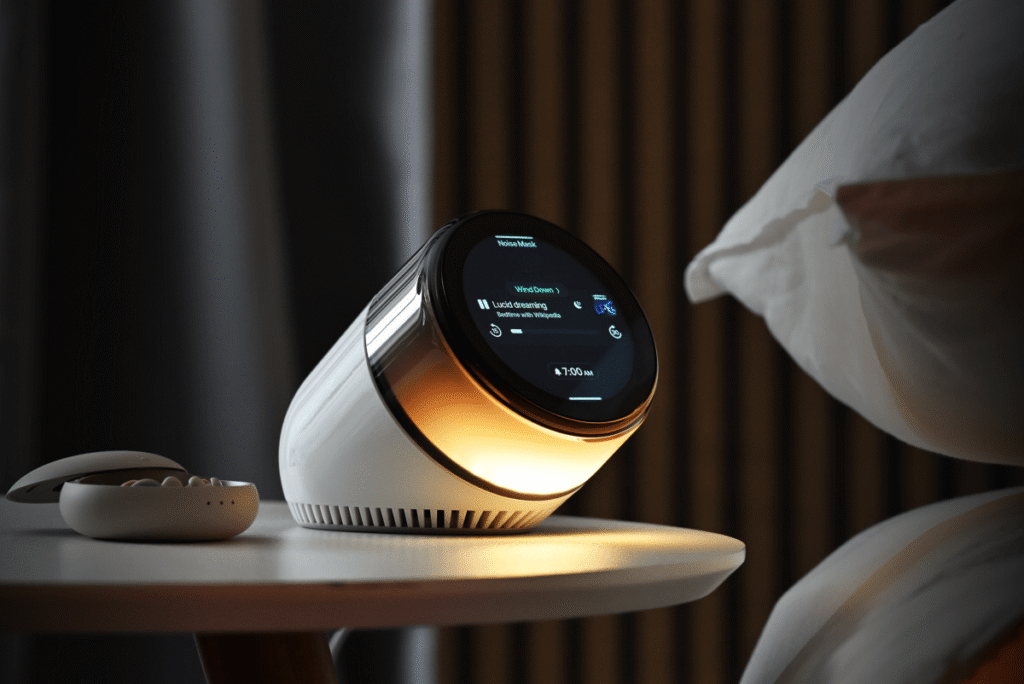
Table of Contents
The Bedside Battle Against the ‘Glowing Rectangle’
For most of the modern workforce, the smartphone is not just a tool; it is a permanent bedside companion. Despite a decade of warnings about blue light and the cognitive stimulation of midnight scrolling, the ‘phone in bed’ habit remains stubbornly entrenched. According to recent surveys of American adults, roughly 87% still keep their devices within arm’s reach during sleep. The problem isn’t usually a lack of willpower, but a reliance on the specific utility of the phone—namely, the ability to drown out a racing mind with a podcast or an audiobook.
Enter the Dreamie, a $250 dedicated alarm clock designed specifically to sever that digital umbilical cord. Unlike standard smart clocks that offer a few pre-recorded white noise loops, Dreamie attempts to replicate the most seductive parts of the smartphone experience while stripping away the distractions of notifications, emails, and social media algorithms.
More Than a Buzz: The Ritual of ‘Winding Down’
Dreamie operates on a tiered system of routines. It begins with ‘Ambience’ mode, which serves as a standard clock, but it transitions into a structured ‘Wind Down’ sequence. In practice, this looks like a combination of lighting and sound designed to trigger a physiological sleep response. For example, setting the device to a soft, glowing orange light paired with the crackle of a fireplace helps signal to the brain that the day is ending.
This is followed by ‘Noise Mask’ mode—think thunderstorms or steady rainfall—which carries the user through to the morning. The wake-up process is handled via a simulated ‘sunrise’ light that gradually brightens, a common feature in high-end sleep tech designed to regulate circadian rhythms more naturally than a jarring audio alarm.
The RSS Loophole: Bringing Podcasts to the Nightstand
The standout feature of the Dreamie, and the primary reason it succeeds where other ‘dumb’ clocks fail, is its native ability to play podcasts. By leveraging RSS feeds—one of the last bastions of the open internet—Dreamie can pull audio content directly from the web via Wi-Fi without requiring a companion app or a restrictive ecosystem like Spotify.
This is critical for the ‘back to sleep’ struggle. For many, waking up at 3:00 AM is the danger zone; picking up a phone to find a calming podcast often leads to a cascade of bad decisions, where one quick glance at a notification turns into a two-hour deep dive into a news feed. Dreamie solves this by allowing users to pre-select a show or episode, enabling them to trigger a ‘Back to Sleep’ mode with a simple swipe. This removes the decision fatigue and the temptation of the screen, providing the necessary audio stimulation without the dopamine hit of a social media alert.
The Cost of Digital Sobriety
At $250, the Dreamie is an expensive piece of hardware for what is essentially a specialized audio player and lamp. However, it avoids the predatory subscription models that plague many modern wellness gadgets. The user interface is clean and intuitive, mirroring the simplicity of a standard clock app rather than a complex tablet interface.
There are, however, notable gaps. While RSS feeds cover a vast amount of podcasting, the device lacks native support for dedicated audiobook platforms like Libby or Libro.fm. For users who rely on long-form narrated books rather than episodic podcasts, the phone remains a necessary evil. Without the ability to upload personal media or integrate with major ebook libraries, the Dreamie is a powerful tool for some, but not a total replacement for all.
Ultimately, the Dreamie represents a growing trend in ‘intentional technology’—devices that do one thing exceptionally well to protect us from devices that do everything too well. It is a gamble on the idea that we are willing to pay a premium to be disconnected.