The Pyongyang Pivot: How Kim Jong Un is Leveraging Russian Tech and Nuclear Deterrence to Reset Ties with China
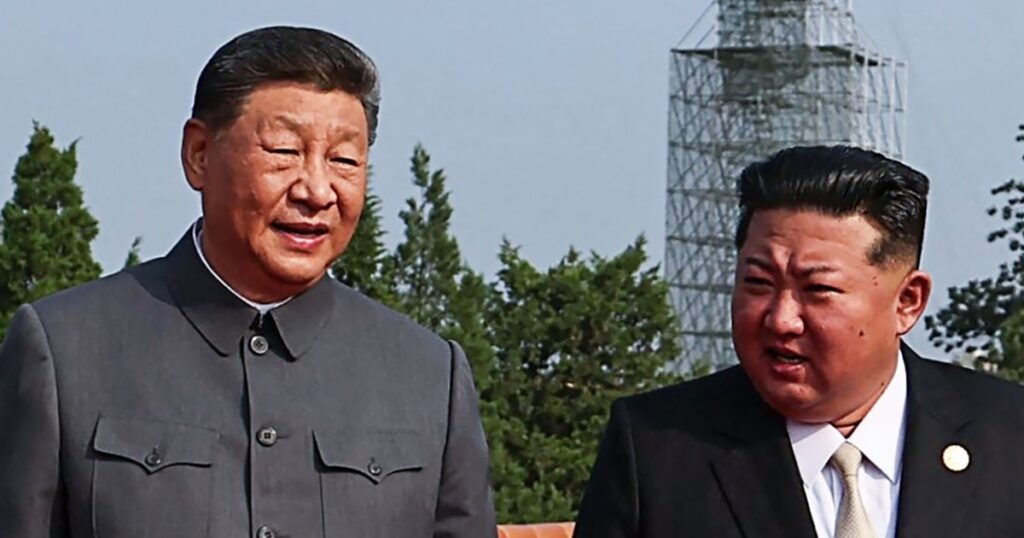
Table of Contents
A New Calculus of Power in Pyongyang
When Chinese President Xi Jinping touched down in Pyongyang on Monday, the optics were familiar: 21-gun salutes, meticulously choreographed crowds of children waving balloons, and the rigid formality of a diplomatic reception. However, beneath the surface of the pageantry, the power dynamic between the two leaders has undergone a fundamental shift since Xi’s last visit seven years ago.
Kim Jong Un is no longer hosting Beijing from a position of desperation. Historically, North Korea has relied on China as its primary economic lifeline and diplomatic shield. Today, Kim is operating from a position of rare strategic strength, buoyed by a diversifying portfolio of allies and a military-industrial complex that has reached a critical tipping point.
The most significant variable in this equation is Moscow. Kim’s decision to back Russia’s war in Ukraine has provided him with more than just political alignment; it has opened a pipeline of military technology and battlefield data. Reports suggest that as many as 14,000 North Korean troops have been deployed to support Russian operations, a move that likely yielded high-level exchanges in aerospace technology, missile guidance systems, and tactical intelligence—assets that reduce Pyongyang’s absolute dependence on Chinese technical expertise.
Nuclear Deterrence as a Bargaining Chip
The timing of Xi’s visit is not accidental. It coincides with the 65th anniversary of the 1961 mutual defense treaty, the only such agreement Beijing has ever signed. But while Xi speaks of an “unbreakable” friendship and cooperation in trade and agriculture, Kim is sending a different message through his itinerary. Just days before the summit, Kim visited a nuclear material facility and a munitions plant, a deliberate signal that his nuclear program is non-negotiable.
By cementing his status as a de facto nuclear state, Kim has flipped the script on traditional diplomacy. He is no longer seeking the “legitimacy” that comes from concessions; he is demanding recognition of a new reality. This leverage allows him to engage with Xi not as a junior partner requiring subsidies, but as a strategic asset in China’s broader goal of challenging U.S. hegemony in the Pacific.
The Economic Rebound and the Russian Hedge
The North Korean economy, which was nearly suffocated by pandemic-era isolation and draconian international sanctions, is showing signs of a calculated recovery. The resumption of rail and air links with China earlier this year has spurred a rebound in tourism and trade. Yet, the growth isn’t solely dependent on Beijing. The pivot toward Russia has provided a critical hedge, offering alternative markets and technical support that make the threat of Chinese economic pressure less potent than it was a decade ago.
For Xi Jinping, the visit is as much about containment as it is about cooperation. Beijing has historically been irked by Pyongyang’s accelerating nuclear timeline and its increasingly cozy relationship with Vladimir Putin. By expanding cooperation in technology and construction, Xi is attempting to reassert Chinese influence over a regime that is increasingly tempted by the allure of a direct Moscow-Pyongyang axis.
The Global Order Shift
This meeting is a microcosm of a larger geopolitical realignment. With the U.S. preoccupied by tensions in the Middle East and domestic political volatility, a new “Sino-centric” world order is being tested. Xi’s recent string of high-profile guests—including Vladimir Putin and Donald Trump—positions China as the stable epicenter of a multipolar world.
While Donald Trump has hinted at restarting nuclear talks with North Korea, Kim’s current posture suggests he sees little incentive to compromise. With Russian tech in his arsenal, Chinese trade backing his economy, and a nuclear deterrent that the world has largely accepted as a fait accompli, Kim Jong Un is no longer playing a game of survival. He is playing a game of leverage.


