Ghost Gear and Great Whites: Rare Mediterranean Shark Sighting Highlights the High Stakes of Marine Recovery
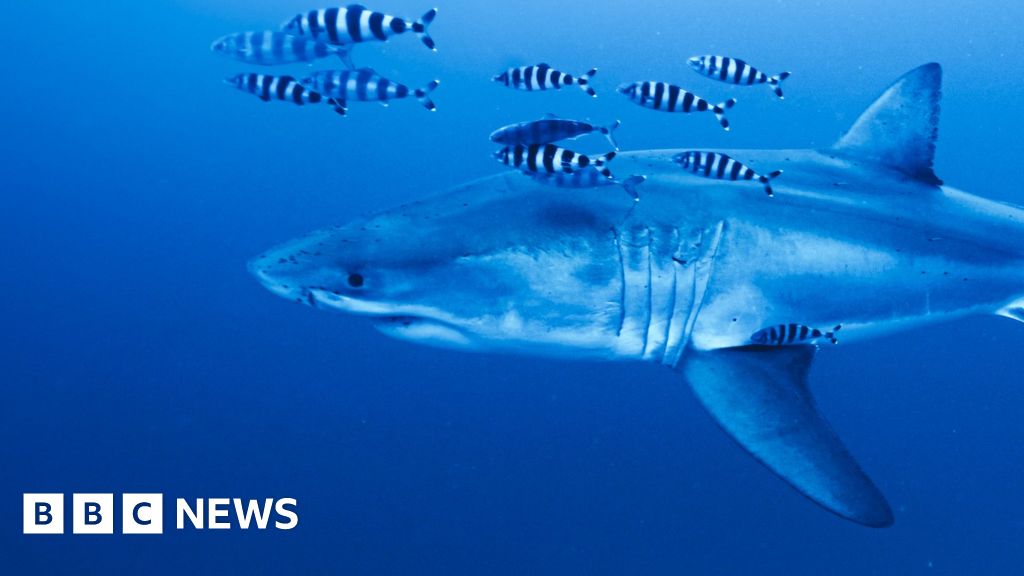
Table of Contents
An Unlikely Encounter in the Mediterranean
In the deep waters between Tunisia and Sicily, a routine mission to clear ocean debris turned into a biological anomaly. Derk Remmers, a volunteer diver with the non-profit organization Healthy Seas, was filming a dive intended to highlight the devastation of abandoned fishing gear when a Great White shark emerged from the blue.
The encounter, captured on video in May, is an extreme rarity for the region. While Great Whites are native to the Atlantic and Pacific, their presence in the Mediterranean is sporadic and often viewed as a sign of a shifting ecological balance. For Remmers, the moment was as visceral as it was visually stunning.
“The shark was pretty close to us,” Remmers recalled, describing the physical intensity of the moment. “In fact, my fingers were trembling when I was trying to get the camera operating.”
The Scourge of ‘Ghost Fishing’
The sighting occurred while the Healthy Seas team was documenting one of the most persistent threats to marine life: ghost nets. These are commercial fishing nets that have been lost, discarded, or abandoned at sea. Unlike active fishing, ghost nets continue to ‘fish’ indefinitely, trapping fish, dolphins, and sea turtles in a cycle of slow starvation or suffocation.
The intersection of this sighting with a ghost-net recovery mission is not coincidental. Apex predators like the Great White are particularly vulnerable to entanglement in these synthetic webs, which can cause deep lacerations or immobilize a shark, preventing it from swimming to breathe. The presence of a healthy adult male in these waters suggests that despite the pollution, the Mediterranean still holds corridors of viability for these predators.
Ecological Context and the Push for Protection
The Mediterranean Great White is currently facing a precarious existence. Decades of overfishing and habitat degradation have pushed the species to the brink of localized extinction. However, marine biologists suggest that sightings like this should be viewed with cautious optimism rather than alarm.
Because the shark was spotted many miles offshore, far from densely populated coastal tourist hubs, experts believe it poses little risk to humans. Instead, the focus has shifted toward what this sighting means for regional policy. Conservationists are leveraging this footage to pressure Mediterranean governments to establish more robust Marine Protected Areas (MPAs).
The argument is simple: if the Mediterranean can still support a Great White, it is worth protecting the ecosystem that allows such a creature to survive. Establishing MPAs would not only restrict harmful fishing practices but also create ‘safe zones’ where the cleanup of ghost gear can be prioritized without interfering with commercial shipping lanes.
The Role of Citizen Science
This encounter underscores a growing trend in marine biology: the reliance on volunteer divers and NGO-led documentation. While academic institutions provide the framework for research, the ‘boots on the ground’—or in this case, fins in the water—are often the ones providing the first evidence of species migration and recovery.
By combining high-definition video documentation with precise GPS tracking of where ghost nets are found, organizations like Healthy Seas are creating a map of marine distress that can be used to guide future legislative action. The footage of the Great White serves as a powerful emotive tool, transforming a technical conversation about nylon debris into a story about the survival of one of the ocean’s most iconic predators.