The Makerfield By-Election: Why Andy Burnham’s Potential Win Could Trigger a UK Leadership Crisis
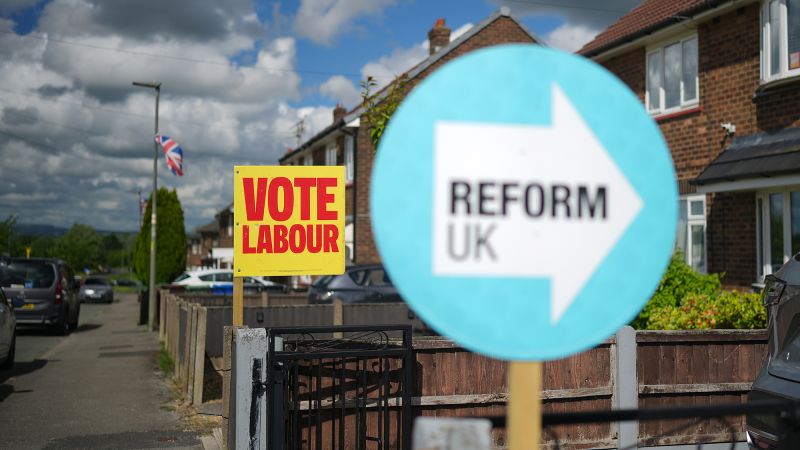
Table of Contents
A Shift in the Political Gravity of Britain
In the utilitarian community centers of Ashton-in-Makerfield, far from the manicured lawns of Westminster, a political earthquake is brewing. What appears on the surface to be a routine by-election in a northern English constituency has evolved into a high-stakes proxy war for the soul of the Labour Party and the tenure of Prime Minister Keir Starmer.
The focal point is Andy Burnham, the Mayor of Greater Manchester. Known as the ‘King of the North,’ Burnham has long maintained a level of public popularity that stands in stark contrast to the sliding approval ratings of the current administration. However, in the British parliamentary system, power is concentrated in the House of Commons. To challenge for the leadership of the Labour Party—and by extension, the premiership—Burnham must first secure a seat as a Member of Parliament (MP).
- The Catalyst: The resignation of Josh Simons, a Burnham ally, created a vacancy in the Makerfield constituency.
- The Stakes: A win for Burnham provides him the platform to challenge Keir Starmer’s leadership.
- The Threat: The rise of Reform UK, led by Nigel Farage, threatens Labour’s traditional working-class base in the North.
For the roughly 76,000 voters in Makerfield, this is not just about local representation; it is an exercise in national king-making. The outcome will signal whether the center-left can hold its ground against populist surges or if the party is headed for a fundamental realignment.
The Architecture of a Leadership Challenge
To understand why the Makerfield by-election is being viewed as a potential trigger for a leadership change, one must look at the current internal dynamics of the Labour Party. Since taking power in a landslide victory nearly two years ago, Keir Starmer has struggled to translate a massive parliamentary majority into a coherent national mandate. His administration has been characterized by a series of policy u-turns and a perceived lack of a defining vision for the ‘change’ he promised during the campaign.
This vacuum of inspiration has left Starmer vulnerable. When seven ministers resigned following poor local election results in May, the cracks in the party’s facade became evident. While these local elections did not alter the national government, they served as a critical barometer of public sentiment, indicating a drift away from the party’s center-left core.
Andy Burnham represents a distinct alternative. Unlike Starmer, who is often viewed as a technocratic lawyer-turned-politician, Burnham has built his brand on regional identity and instinctive communication. By focusing on the specific needs of the North-West of England—from transport infrastructure to regional devolution—he has insulated himself from the national unpopularity currently plagues the Labour government.
The Strategic Importance of the ‘North’
The North of England has historically been the heartland of the Labour movement, but that loyalty is no longer guaranteed. The constituency of Makerfield is a microcosm of this shift. Voters who once viewed Labour as their only viable option are now being courted by the populist right (Reform UK) and the populist left (the Green Party).
If Burnham, with his deep regional ties and high approval ratings, cannot comfortably defeat Robert Kenyon of Reform UK, it suggests a systemic collapse of Labour’s appeal in its traditional strongholds. This would not only be a personal blow to Burnham but a signal to the party’s internal critics that Starmer’s national brand is toxic even in ‘safe’ seats.
Analyzing the Reform UK Surge
The presence of Robert Kenyon and the influence of Nigel Farage in this race cannot be overstated. Reform UK has successfully positioned itself as the voice of the ‘forgotten’ working class, focusing on immigration and anti-establishment rhetoric. In many former Labour bastions, this message is resonating more than the polished policy papers emanating from London.
“The rise of Reform UK is not merely a protest vote; it is a symptom of a representational gap where voters feel that neither the traditional right nor the current left understands the daily economic pressures of northern town centers.”
This electoral volatility is putting immense pressure on the Labour campaign. While senior ministers have traveled from London to support Burnham, their presence is a double-edged sword. It signals the importance of the seat, but it also implicitly acknowledges that Burnham is the only figure capable of stemming the tide of Reform UK’s momentum.
What This Means for the UK Political Landscape
The implications of the Makerfield result extend far beyond the borders of Greater Manchester. There are three primary scenarios that could emerge from this by-election:
Scenario 1: The Burnham Landslide
A decisive victory for Andy Burnham would likely serve as a catalyst for a leadership challenge. It would prove that Burnham’s ‘Northern’ brand is portable to a national stage and that he possesses the electoral magnetism Starmer currently lacks. This would put the Prime Minister in a precarious position, facing a challenger who has both the public’s trust and a seat in the Commons.
Scenario 2: A Narrow Victory
If Burnham wins but by a slim margin, it indicates that while he is personally popular, the Labour brand is severely damaged. This result would likely lead to a period of stagnation, where Starmer remains in power but is forced to concede more influence to regional leaders like Burnham to prevent further defections.
Scenario 3: The Reform UK Shock
Should Robert Kenyon or Reform UK achieve a surprisingly high percentage of the vote—or, in a worst-case scenario for Labour, win the seat—it would trigger an immediate crisis of confidence in the Labour leadership. Such a result would essentially confirm that the party’s base has fractured beyond repair under Starmer’s current direction, making a leadership change inevitable.
Technical Breakdown: By-Elections as Bellwethers
In political science, by-elections are often categorized as ‘bellwethers’ because they provide a snapshot of the electorate’s mood between general elections. However, they are often skewed by ‘protest voting,’ where constituents feel safer voting for a minority party because the government cannot be overturned by a single seat change.
In the case of Makerfield, the ‘bellwether’ effect is amplified because the candidate is not a career MP but a high-profile regional leader. This transforms the event from a local contest into a referendum on the national government. When you combine a high-profile challenger (Burnham) with a high-profile disruptor (Farage/Reform), the resulting data provides a much clearer picture of voter volatility than a standard by-election would.
Frequently Asked Questions
Why is Andy Burnham running in a by-election?
Andy Burnham is currently the Mayor of Greater Manchester. To challenge for the leadership of the Labour Party or the role of Prime Minister, he must be a Member of Parliament (MP). The by-election in Makerfield provides him the necessary entry point back into the House of Commons.
Who is Robert Kenyon?
Robert Kenyon is the candidate for Reform UK, the populist party led by Nigel Farage. He represents the challenge from the right, targeting voters who feel alienated by both the Conservatives and Labour.
Can Andy Burnham actually replace Keir Starmer?
Yes, but only if he wins a seat in Parliament. Once an MP, he could theoretically trigger a leadership contest if he gains enough support from fellow MPs or if the party’s internal confidence in Starmer collapses entirely.
What is the ‘King of the North’ moniker?
This is a nickname given to Burnham due to his successful tenure as Mayor of Greater Manchester and his frequent advocacy for ‘Northern Powerhouse’ initiatives, positioning himself as a champion for the region against the ‘London-centric’ nature of UK politics.
How does a by-election affect the national government?
A single by-election rarely changes the government’s majority in a way that forces a general election. However, they serve as critical psychological indicators. A shocking loss in a safe seat can embolden internal party rebels to move against the leader.