The Invisible War for the Earcanal: How TWS Shifted from Convenience to Convergence
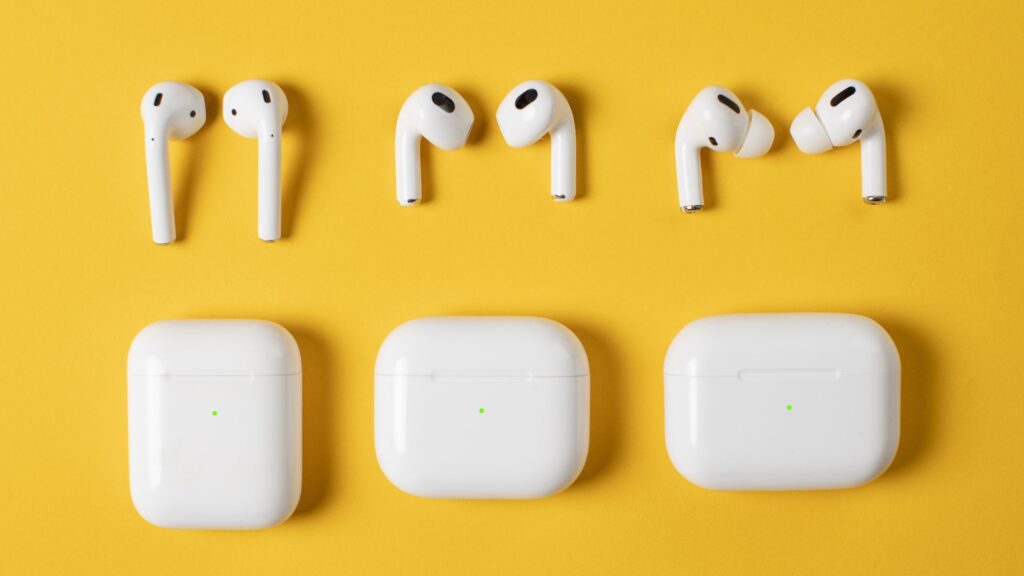
Table of Contents
The Great Decoupling
In 2016, when Apple launched the original AirPods, the tech community reacted with a mixture of mockery and genuine confusion. The removal of the 3.5mm headphone jack was framed as a daring move toward a wireless future, but for many, the sight of two small white plastic stems protruding from the ears looked less like a revolution and more like a fashion faux pas. However, that moment marked the definitive shift toward True Wireless Stereo (TWS), moving the industry away from the ‘neckband’ cables that had plagued early Bluetooth earphones.
What began as a quest for convenience has evolved into a complex battle of ergonomics and acoustics. Earbuds—alternatively known as in-ear monitors (IEMs) in audiophile circles or simply ‘buds’ in the consumer market—have effectively cannibalized the market share of traditional over-ear headphones for daily use. The appeal is obvious: portability and stability. While a pair of Sony WH-1000XM5s provides superior noise cancellation and soundstage, they cannot compete with the friction-less experience of popping a pair of buds out of a pocket and into the ear in under three seconds.
The Acoustic Trade-off
Despite the convenience, the physics of small-form-factor audio remain a stubborn hurdle. Traditional over-ear headphones utilize large drivers that can move significantly more air, creating a natural, wide soundstage. Earbuds, by contrast, rely on smaller dynamic drivers or balanced armatures that sit deep within the ear canal. This creates a more intimate, ‘inside-the-head’ sound profile.
To compensate, manufacturers have pivoted toward software-driven audio. We are seeing a massive surge in Computational Audio—where DSP (Digital Signal Processing) is used to artificially widen the soundstage or enhance bass frequencies that the hardware simply cannot produce on its own. This shift is why the software ecosystem (the app) is now just as important as the driver itself. If the EQ tuning is off, the most expensive driver in the world is rendered useless by the restrictive geometry of the human ear.
The Case for the Screen
Recently, a curious trend has emerged in the mid-to-high-end TWS market: the integration of touchscreens into the charging cases. From niche startups to established brands, we are seeing cases that allow users to toggle ANC settings, change EQ profiles, or check battery percentages without ever opening a smartphone app.
From an editorial perspective, this feels like a solution searching for a problem. For the vast majority of users, the seamless integration of settings within iOS or Android is sufficient. Adding a screen introduces a new point of failure—battery drain on the case itself and a fragile glass surface prone to scratches in a pocket. It suggests that brands are struggling to innovate on the actual audio hardware, leading them to add ‘gadgetry’ to the exterior to justify premium price points.
Stability vs. Fidelity
For the average consumer, the choice between a wired IEM and a wireless bud is no longer about sound quality alone, but about lifestyle integration. The stability provided by wing-tips and silicone seals has made earbuds the default for fitness and commuting, while the ‘audiophile’ experience has been pushed into a specialized niche. As we move toward ‘Hearables’—devices that blend audio, health tracking, and AI assistants—the earbud is no longer just a speaker; it is a wearable computer that happens to play music.