The Hidden Costs of Stealth Health: What to Actually Expect from the Oura Ring 4
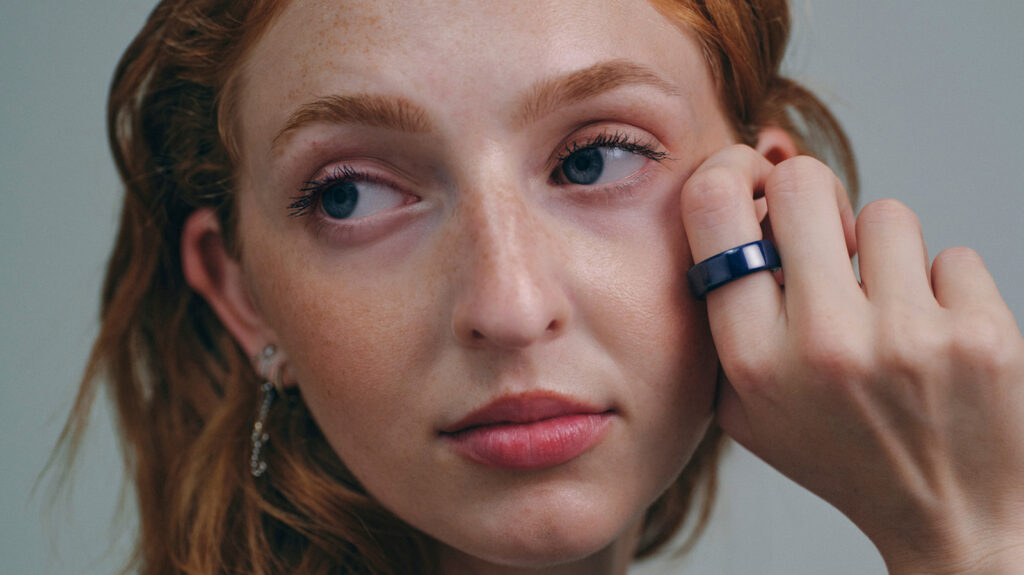
Table of Contents
The Shift Toward Screenless Health
For many, the appeal of the smart ring isn’t just the novelty of the form factor; it’s the psychological relief of removing a screen from the wrist. The Oura Ring has positioned itself as the gold standard in this transition, offering a passive, clinical-grade approach to wellness that avoids the constant dopamine loop of notifications associated with the Apple Watch or Garmin. However, transitioning to an Oura ecosystem is less like buying a gadget and more like entering a service agreement.
While the hardware is sleek, the user experience is heavily gated. Before committing to the Oura Ring 4, it is essential to understand the friction points of the ownership experience—from the physical fitting process to the recurring monthly fees that effectively turn the hardware into a long-term subscription.
The Sizing Hurdle
Unlike a smartwatch, where a silicone strap provides a forgiving range of fit, a smart ring is a precision instrument. A ring that is too loose will fail to maintain a consistent connection with the skin’s blood flow, leading to erratic heart rate and SpO2 readings. Conversely, a ring that is too tight can become uncomfortable as fingers naturally swell throughout the day—a phenomenon particularly pronounced during hormonal cycles or changes in altitude.
Oura manages this via a mandatory sizing kit. If purchased directly, this is usually complimentary; third-party retailers may charge a fee that is later credited toward the ring. The critical mistake most new users make is wearing the sizer for only an hour. To get an accurate fit, the sizer must be worn for at least 24 hours, spanning a full sleep cycle and a variety of daily activities. Furthermore, placement matters: the index, middle, or ring fingers are the only recommended positions to ensure the infrared sensors can accurately capture the necessary vitals.
The Subscription Paywall
The most contentious aspect of the Oura experience is the membership model. While the ring functions without a subscription, the “free” version is essentially a locked door. Without the monthly fee—currently $5.99 per month or $69.99 annually—the app provides only high-level scores for sleep, readiness, and activity. You are left with qualitative labels like “Optimal” or “Poor,” but the actual data that justifies those labels remains hidden.
To access heart rate variability (HRV), blood oxygen levels, skin temperature variations, and detailed sleep stage breakdowns, you must pay the subscription. For users accustomed to the one-time purchase model of older fitness trackers, this recurring cost is a significant pill to swallow. It transforms the Oura Ring from a piece of jewelry into a monthly utility bill for your own biological data.
Hardware Evolution and AI Integration
The Oura Ring 4 introduces a shift in how the device is maintained. While the standard USB-C charging dock remains the primary method of power, Oura has introduced a dedicated charging case with a lid for the Ring 4 and its Ceramic variant. This is a strategic move for travelers, allowing the ring to be topped up without hunting for a wall outlet, which is critical given the 5-to-8-day battery life.
Inside the app, Oura is leaning heavily into generative AI to move beyond simple data reporting. One of the more ambitious additions is the AI-powered meal analysis. Users can now photograph their food, and the Oura Advisor analyzes the dish to provide nutritional insights and suggest how the meal aligns with their current health goals. This moves the ring from a passive monitor to an active health coach, though the accuracy of image-based calorie estimation remains a challenge across the entire wearable industry.
Comparative Hardware Overview
| Feature | Oura Ring Gen 3 | Oura Ring 4 |
|---|---|---|
| Battery Life | 4-7 Days | 5-8 Days |
| Charging | Dock only | Dock + Optional Travel Case |
| Sensing | Standard Optical | Updated Sensor Array |
| AI Advisor | Basic | Advanced Meal/Symptom Analysis |
For those weighing the Oura Ring against emerging competitors, the decision boils down to the value of the ecosystem. While the hardware is industry-leading, the total cost of ownership is higher than most. For the dedicated biohacker, the granularity of the data is worth the fee; for the casual user, the subscription may eventually feel like an unnecessary tax on their health.