Oura Ring 5 Shrinks the Form Factor to Solve the ‘Bulk’ Problem
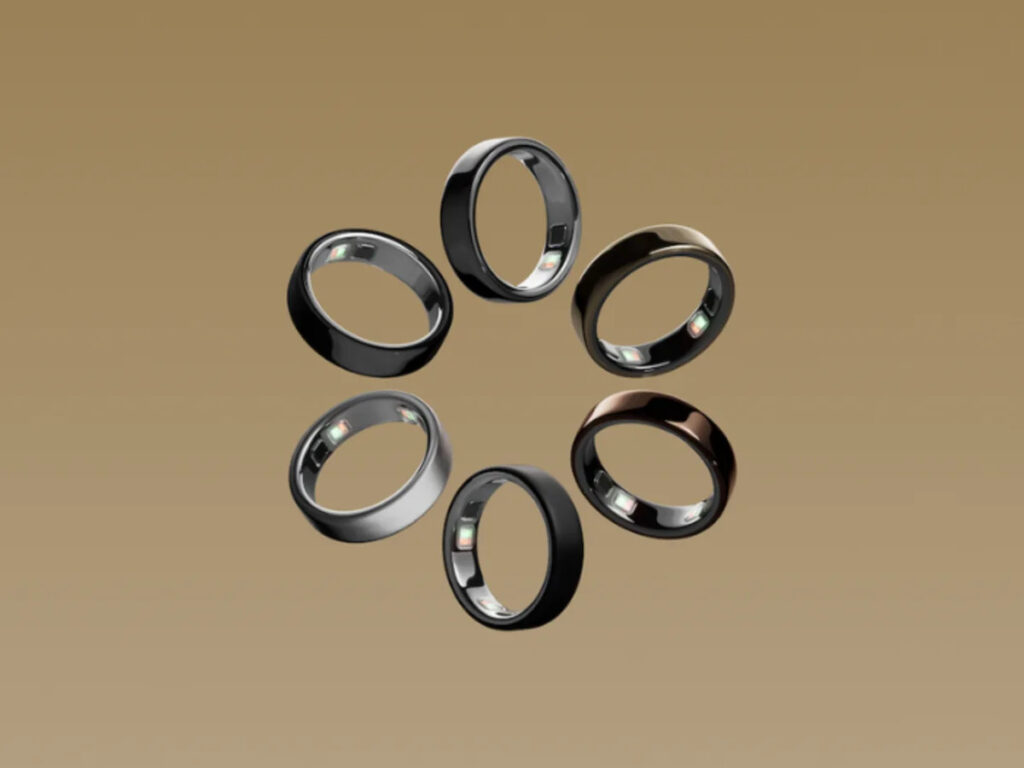
Table of Contents
A Shift Toward Invisible Wearables
For years, the primary friction point for smart ring adoption hasn’t been the software or the subscription fees, but the physical profile. Even the most streamlined devices often feel like a “bump” on the finger, leading many users to revert to traditional jewelry or oversized wrist-based trackers. With the unveiling of the Oura Ring 5, the company is attempting to erase that friction entirely by aggressively shrinking the hardware footprint.
The headline figure is a 40% reduction in size compared to the Oura Ring 4. While a percentage sounds impressive in a press release, the actual measurements tell a more practical story for the user. The Ring 5 now measures 6.09 mm in width and 2.28 mm in thickness, a notable drop from the Ring 4’s 7.9 mm width and a thickness that ranged between 2.88 mm and 3.51 mm. This isn’t just a cosmetic shave; it is a fundamental change in how the device sits against the skin.
Rebuilding the Architecture
Achieving this level of miniaturization required more than just tighter packaging. According to Oura CEO Tom Hale, the engineering team “rebuilt Oura Ring from the inside out,” effectively reversing the design process. Instead of fitting sensors into a pre-existing shell, Oura first established the ideal dimensions for maximum user comfort and then forced the battery and circuitry to fit that specific envelope.
This structural overhaul also addresses a recurring issue in wearable tech: signal consistency. Oura has introduced low-profile sensor domes designed to maintain better skin contact regardless of finger shape or movement. The new model utilizes 12 signal pathways, which the company claims will provide more reliable readings across diverse skin tones and finger anatomies. Because the ring sits closer to the arteries in the finger, Oura asserts that its pulse signal is up to 100 times stronger than that of a standard wrist-worn smartwatch, potentially offering a more accurate heart rate and sleep analysis.
Software Integration and the GLP-1 Pivot
The hardware shrink is paired with a significant software push. The most notable addition is the introduction of dedicated GLP-1 insights. As medications like Ozempic and Wegovy become more prevalent, Oura is positioning itself as the primary biometric tool for monitoring the metabolic shifts associated with these drugs. By tracking changes in sleep, activity, and heart rate variability (HRV), the app aims to provide users with a data-driven view of how these treatments are affecting their systemic health.
iPhone users will also see a new “live activity” tracking feature, bringing real-time health metrics to the lock screen—a move that reduces the need to constantly open the app to check current status.
Market Positioning and Availability
The Ring 5 arrives in six finishes: Gold, Deep Rose, Brushed Silver, Stealth, Black, and Silver. Interestingly, the ceramic finishes that were a staple of the Ring 4’s later lifecycle are conspicuously absent from the launch lineup, suggesting Oura may be testing the waters with these new dimensions before committing to more fragile materials.
Battery life remains a critical metric for any wearable. Oura claims the Ring 5 will last between six and nine days on a single charge, meaning the size reduction didn’t result in a catastrophic loss of capacity. For those who travel, a separate charging case is available for $99.
Pricing follows a tiered structure based on aesthetics. The Silver and Black models start at $399, while the more premium finishes—Gold, Deep Rose, Brushed Silver, and Stealth—are priced at $499. Pre-orders are currently open, with shipping expected to begin on June 4.