The Final Call: TechCrunch Disrupt’s Startup Battlefield 200 Closes Applications Tonight
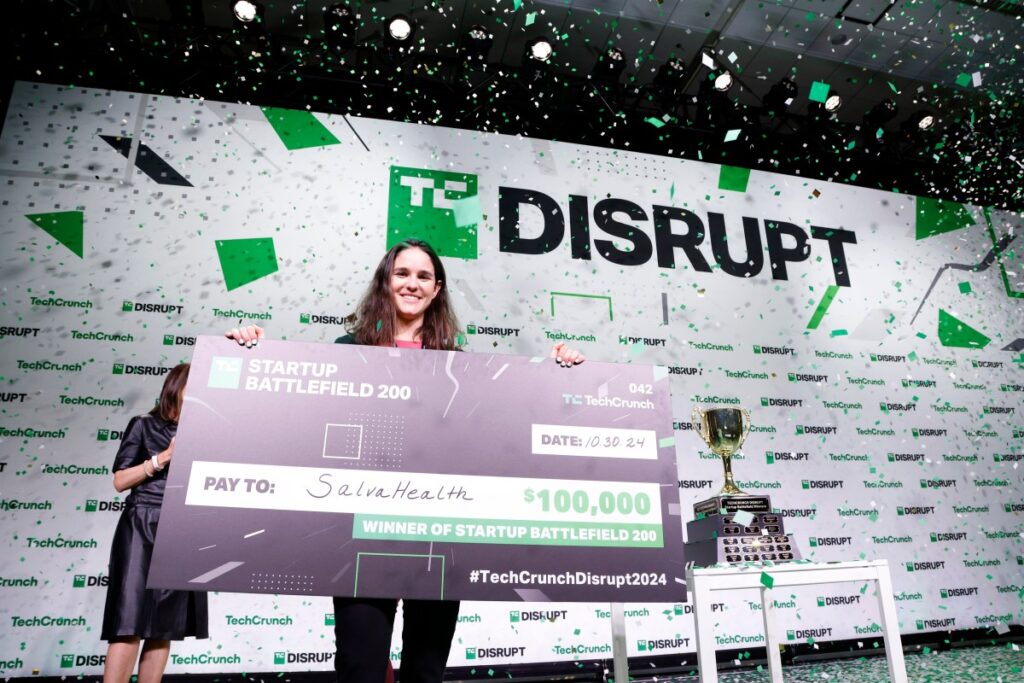
Table of Contents
The High-Stakes Gauntlet for Early-Stage Founders
For founders operating in the ‘stealth’ phase or those struggling to get a foot in the door with top-tier venture capital, the clock is ticking. Applications for the Startup Battlefield 200, the centerpiece of the annual TechCrunch Disrupt conference, officially close tonight at 11:59 p.m. PT. The competition serves as one of the industry’s most aggressive filters, designed to separate high-potential prototypes from the thousands of early-stage companies entering the ecosystem every year.
The allure of the Battlefield isn’t just the $100,000 in equity-free funding awarded to the eventual winner. For most participants, the real value lies in the proximity to power. Selected companies are placed directly in the line of sight of over 10,000 attendees, including managing directors from leading VC firms and global media outlets. In an era where AI-driven noise makes it harder for founders to get noticed, a curated slot on the Disrupt stage remains a potent signal of legitimacy.
A Legacy of ‘Unpolished’ Success
The history of Startup Battlefield suggests that the competition is less about a polished pitch deck and more about the raw potential of a core idea. Looking back at the alumni list, some of the most dominant names in the modern internet economy began as scrappy, often misunderstood entries in this very arena. Dropbox, for instance, demoed its concept long before cloud storage was a ubiquitous utility. Cloudflare pitched its edge infrastructure at a time when the average developer barely understood the concept of the ‘edge.’ Even Discord, now a cornerstone of digital community building, entered the fray under its original, far less recognizable name, Hammer & Chisel.
This historical precedent highlights a critical point for tonight’s applicants: the Battlefield is explicitly designed for the ‘unready.’ Pre-launch status, a lack of immediate revenue, or a product that is still in beta are not disqualifiers. The selection committee prioritizes category-defining potential—the ability of a product to fundamentally shift how an industry operates—over current quarterly earnings.
The Mechanics of Selection and Exposure
The funnel is intentionally narrow. Out of thousands of global applications, only 200 companies are selected to participate. From that group, a mere 20 finalists are chosen to pitch on the main Disrupt Stage, where the highest level of scrutiny and visibility occurs. However, the experience is tiered; those not selected for the main stage still participate in the Pitch Showcase, providing a critical networking bridge to potential partners and customers.
Statistically, the Battlefield’s impact extends far beyond the trophies. More than 1,700 alumni have participated over the years, collectively raising over $32 billion in venture capital. The program has also catalyzed more than 250 exits, with acquisitions by tech giants including Microsoft, Google, Salesforce, Uber, and Amazon. This track record reinforces the notion that the exposure gained from the event can fundamentally alter a company’s trajectory, regardless of whether they take home the top prize.
Who Qualifies?
The competition is open globally and spans all technological sectors. While the primary target is pre-Series A startups, select Series A companies may qualify if their growth trajectory and innovation align with the event’s goals. The application acts as the first ‘pitch’ to the organizers, requiring founders to distill their vision into a compelling narrative that can survive the scrutiny of industry experts.
As the deadline approaches, the surge of last-minute submissions is a recurring trend. For founders who have been nominated by peers or investors but have yet to finalize their paperwork, the window is rapidly closing. In the volatile world of early-stage tech, the difference between obscurity and a breakout year often comes down to a single high-visibility opportunity.