The Gauntlet of TechCrunch Disrupt: How the Startup Battlefield Filters for the Next Unicorn
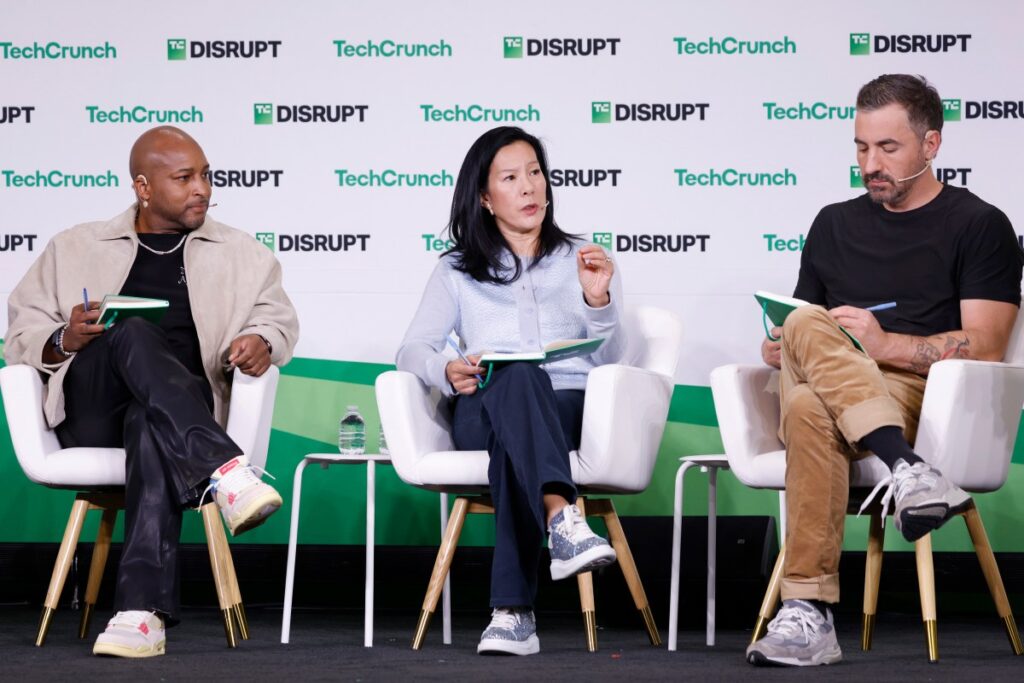
Table of Contents
The High-Stakes Filter of the Disrupt Stage
For early-stage founders, the invitation to the TechCrunch Startup Battlefield isn’t just a ticket to a conference; it is a calculated entry into one of the most aggressive visibility engines in the venture capital ecosystem. While the headline attraction is the Disrupt Main Stage—where a handful of companies pitch for a $100,000 equity-free prize—the actual value of the program lies in the brutal filtering process that transforms a global pool of applicants into a curated list of the ‘Top 20’.
The mechanics of the competition are designed to mirror the pressures of a seed or Series A round. Founders are granted six minutes to demo their product live, followed by a high-pressure Q&A session with a panel of tier-one investors. The judging roster typically includes heavy hitters such as Aileen Lee of Cowboy Ventures, Kirsten Green from Forerunner, and Navin Chaddha of Mayfield—investors who specialize in identifying category-defining shifts before they hit the mainstream.
The Anatomy of a Winning Application
The transition from the ‘Startup Battlefield 200’ to the ‘Top 20’ is where most companies stumble. According to internal selection criteria, the decision isn’t based solely on traction or revenue metrics, but on ‘differentiation.’ The editorial and scouting teams are looking for companies that aren’t just iterating on existing software but are redefining their respective industries or geographies.
A critical, often overlooked component of the application is the product and founder video. In an era of AI-generated pitches, the selection committee prioritizes raw conviction and a tangible demonstration of the product in action. The goal is to identify founders who possess the narrative clarity required to command a global stage, rather than those who can simply present a polished slide deck.
The ‘Battlefield 200’ as an Equity-Free Accelerator
There is a common misconception that failing to make the Top 20 renders the experience moot. In reality, the ‘Battlefield 200’ serves as a wide-net acceleration program. Every selected company, regardless of whether they hit the main stage, is granted a fully funded demo booth at Disrupt and access to a pre-event virtual program. This provides a direct line to VCs and operators who attend the event specifically to scout for ‘under-the-radar’ talent outside the headline competition.
The institutional memory of the program is significant. The Startup Battlefield alumni network now exceeds 1,700 companies, including foundational tech giants like Dropbox, Discord, and Cloudflare. Collectively, these alumni have raised over $32 billion and seen more than 250 exits. This network functions as a lifelong signal of quality; being a ‘Battlefield alum’ acts as a credential that persists long after the October event in San Francisco concludes.
The Operational Reality of the Shortlist
The fluidity of the Top 20 list is a necessity of the startup world. Between the application deadline—which for the 2026 cohort is June 8—and the event dates of October 13–15, the roster frequently shifts. Founders drop out due to pivots, acquisitions, or funding surges, and standout companies from the broader 200 cohort are often promoted to the main stage as the program evolves.
For founders on the fence, the barrier to entry is intentionally low—the application is free and carries no risk. As the program’s leadership suggests, the most successful applicants are often those who apply before they feel ‘ready,’ recognizing that the feedback loop and the proximity to the TechCrunch editorial ecosystem (including platforms like the Build Mode and Equity podcasts) provide a compounding advantage in growth and visibility.