The Deadly Chemistry of Counterfeit Spirits: Methanol Poisonings Claim Six Tourists in Laos
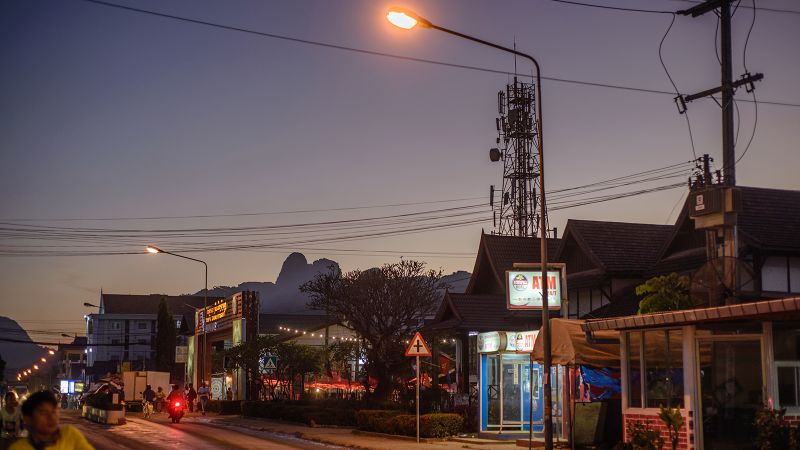
Table of Contents
A Backpacker’s Paradise Turns Fatal
Vang Vieng, long celebrated as a magnet for global backpackers and adventure seekers in northern Laos, has become the center of a grim public health crisis. At least six foreign tourists—including two Australian teenagers, a British lawyer, an American citizen, and two Danish nationals—have died following the consumption of suspected methanol-tained alcohol.
The deaths have sent shockwaves through the international travel community, particularly after the passing of 19-year-olds Holly Bowles and Bianca Jones from Melbourne. Bowles had been fighting for her life on support in Thailand for several days before succumbing to the effects of the poison. The tragedy underscores a recurring, lethal trend in the region: the proliferation of counterfeit spirits designed to mimic high-end brands or supplement cheap local brews.
The Science of the ‘Silent Killer’
Methanol, or methyl alcohol, is a potent neurotoxin that is often found in industrial solvents and antifreeze. In the context of the beverage industry, it typically appears in illegal “moonshine” or counterfeit liquor when the distillation process is improperly managed or when industrial methanol is intentionally added to increase the alcohol content and potency of a drink at a fraction of the cost.
Unlike ethanol, which the human body can metabolize, methanol is processed by the liver into formaldehyde and then into formic acid. This chemical progression leads to metabolic acidosis, which aggressively attacks the optic nerve and the central nervous system. Symptoms often begin with nausea and vomiting—which can be mistaken for a standard hangover—but quickly escalate to respiratory failure, permanent blindness, and death.
Because methanol produces an initial feeling of inebriation similar to ethanol, victims are often unaware they have been poisoned until the systemic organ failure begins. This delay in symptom onset often makes early medical intervention difficult, as seen in the case of the Australian students who were unable to leave their hostel room for 24 hours before the severity of their condition was realized.
Investigation and Accountability
The Lao government, often criticized for its opaque administrative style, remained silent for several days as death tolls mounted. However, the official Lao News Agency (KPL) eventually confirmed the deaths of the American and Danish nationals, linking them to “tainted alcoholic beverages.” Local authorities in Vang Vieng have since detained the manager and owner of a hostel where several of the victims had stayed. Reports indicate that the hostel had been offering “free shots” to guests—a common industry practice that, in this instance, may have been the delivery mechanism for the toxin.
Vang Vieng has a complicated history with its own reputation. Once a notorious party hub known for drug availability and unregulated river tubing, the town underwent a state-mandated “eco-paradise” rebranding around 2012. Yet, the underlying infrastructure of cheap, unregulated nightlife has persisted, leaving a gap in safety oversight that counterfeiters exploit.
A Warning for the Digital Nomad Era
As the “slow travel” and digital nomad movements drive more young people into rural Southeast Asian hubs, the risk of encountering unregulated products increases. The British Foreign Office and the US State Department have both urged travelers to exercise extreme caution. Experts suggest that the safest way to avoid methanol is to avoid “free” drinks and stick to sealed, reputable brands from established vendors, as counterfeiters frequently refill original bottles with toxic mixtures.
For the families of the deceased, the focus has shifted from grief to a demand for systemic change. The family of Bianca Jones stated they hope authorities can “get to the bottom of what happened” to prevent other travelers from facing similar anguish. As the Lao government vows to bring the perpetrators to justice, the incident serves as a stark reminder of the lethal chemistry lurking behind the facade of cheap adventure travel.