Deezer Bets on Human Creativity with ‘Remix Lab’ as Streaming Giants Lean Into AI
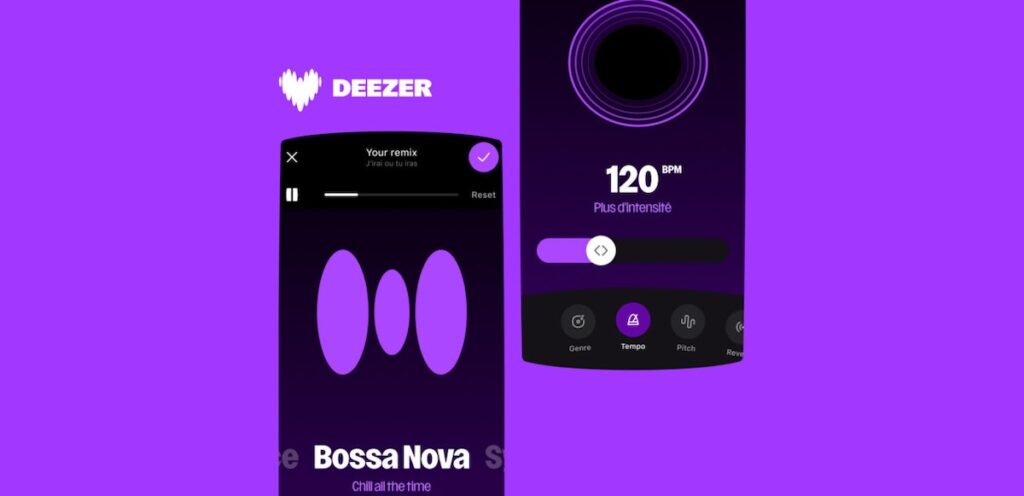
Table of Contents
A Contrarian Approach to the AI Gold Rush
While the rest of the streaming industry is racing to integrate generative AI into the creative process, Deezer is doubling down on a more traditional, artist-centric philosophy. The platform has announced the launch of Remix Lab, a new feature that allows fans to manipulate and remix songs directly within the app—provided the original artists and rights holders have given their explicit consent.
The timing of the release is a pointed statement. In recent months, the industry has seen a surge in AI-generated covers and remixes, often created without the permission of the original performers. YouTube has leaned into AI-powered remixing tools, and Spotify has entered a strategic partnership with Universal Music Group to experiment with AI-generated content. In contrast, Deezer is positioning itself as the ‘safe harbor’ for human musicians, focusing on tools that enhance creativity rather than replacing the creator.
How Remix Lab Differs from Generative AI
The core distinction lies in the mechanism of creation. Unlike AI tools that generate new audio stems based on a text prompt, Remix Lab provides users with a suite of in-app manual controls. According to Pierre Trochu, Deezer’s head of product, the tool allows for a range of modifications from basic adjustments—such as tempo shifts and reverb—to more complex transformations that can alter the musical genre and overall style of a track.
This approach preserves the integrity of the original recording while giving the user agency over the arrangement. More importantly, it establishes a clear financial pipeline. Deezer has confirmed that artists will be compensated for every stream of these fan-created remixes, addressing a long-standing grievance in the music industry regarding the monetization of user-generated content (UGC).
The War on ‘Ghost’ Tracks
Deezer’s launch of Remix Lab is the latest piece of a broader strategy to purge AI-generated content from its ecosystem. The company has already deployed specialized analysis tools designed to scan playlists from competitors like Apple Music and Spotify to identify and flag AI-generated tracks.
By omitting AI music from its editorial playlists and recommendation engines, Deezer is attempting to build a brand identity around “authentic” music. CEO Alexis Lanternier emphasized that the goal is to create a deeper connection between the fan and the artist, asserting that the new tools are designed to maximize earnings for creators while respecting their intellectual property rights.
Market Rollout and Initial Participants
For now, the experiment is limited. Remix Lab is currently available only in France, though the company has indicated that a global rollout is planned. The initial launch features a curated group of French artists, including Céline Dion and Tiakola, who have opted into the program.
To drive engagement, Deezer is integrating the feature with its “Deezer Club” via a series of contests. Winners will see their remixes featured in official playlists and receive tickets to “Purple Door” events and exclusive merchandise. This gamification of the remixing process suggests that Deezer is looking for a way to increase user retention through active participation rather than passive listening.
If the French pilot proves successful, Remix Lab could serve as a blueprint for a new era of streaming—one where the “prosumer” (producer-consumer) is empowered, but only within a legal and financial framework that puts the artist’s consent at the forefront.