The Cycle of Escalation: Analyzing the US-Iran Nuclear Deadlock and the Cost of Kinetic Diplomacy
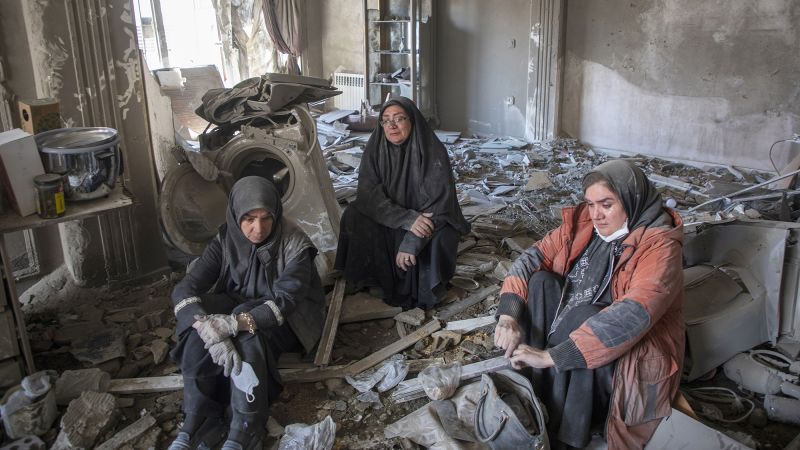
Table of Contents
The Return to the Negotiating Table
The geopolitical landscape of the Middle East has once again converged on a familiar, precarious point. Following a brutal year of military conflict characterized by targeted airstrikes, naval skirmishes, and the systematic targeting of nuclear infrastructure, the United States and Iran have reached a tentative agreement to reopen the Strait of Hormuz and resume discussions on Tehran’s nuclear program. For those tracking the region, the current scenario feels less like a breakthrough and more like a recursive loop.
The parallels to April 2025 are striking. Once again, the White House has implemented a strict 60-day deadline for Iran to commit to a nuclear deal, with the implicit threat of renewed military force looming in the background. This strategy—essentially “diplomacy by ultimatum”—mirrors the failed attempts of a year ago, raising a critical question for policymakers: has the repeated use of kinetic force actually created a more stable environment, or has it merely shifted the nature of the risk?
- Strategic Reset: The agreement focuses on immediate economic stability via the Strait of Hormuz while delaying the core nuclear dispute.
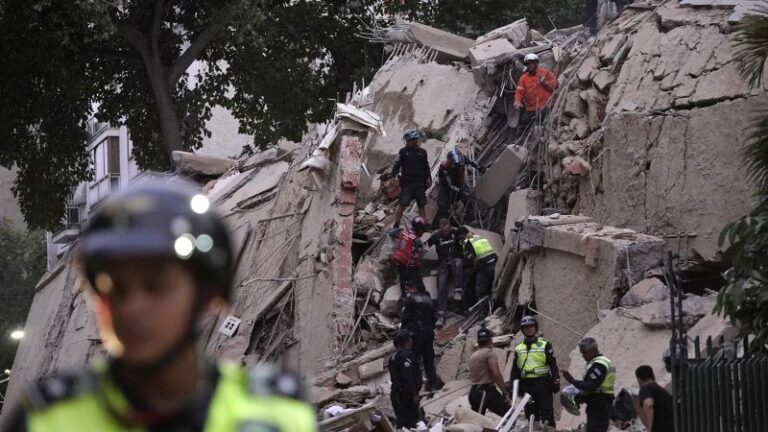
- The Human Cost: Monitoring groups report over 3,000 deaths in Iran and 3,600 in Lebanon over the last quarter, highlighting the devastation accompanying these “strategic” cycles.
- The Deadline: A 60-day window is now the primary metric for success or failure in the current administration’s approach.
The Mechanics of Kinetic Diplomacy
To understand the current friction, one must analyze the trajectory of the past year. In March 2025, the Trump administration issued a two-month ultimatum to Ayatollah Ali Khamenei. When diplomacy via envoy Steve Witkoff failed to produce a signature, Israel initiated “Operation Rising Lion” on June 13, 2025. This operation shifted the conflict from diplomatic tension to active warfare, resulting in a 12-day campaign that targeted Iran’s security apparatus and missile capabilities.
The subsequent U.S. strikes on nuclear facilities were claimed by the administration to have “obliterated” Iran’s capacity for enrichment. However, the reality of strategic decapitation—the act of removing top leadership to force a regime change or policy shift—is often more complex than a press release suggests. The assassination of the supreme leader and the dismantling of the security cabinet have not resulted in a moderate government. Instead, the vacuum has been filled by hard-liners and successors who view the U.S. not as a negotiating partner, but as an existential threat.
The Nuclear Paradox: Capacity vs. Intent
The core of the US-Iran agreement hinges on whether Iran can actually build a bomb given the current state of its infrastructure. There is a distinct paradox at play here: while Iran’s intent to acquire a nuclear weapon has likely increased due to the vulnerability exposed by U.S. and Israeli strikes, its technical capacity is arguably at its lowest point since 2025.
In April 2025, Iranian enrichment was at a peak, with facilities intact and scientific expertise concentrated. Today, any effort to produce a weapon would require retrieving enriched material and specialized equipment from under the rubble of targeted facilities. While the U.S. intelligence community previously underestimated Iran’s capabilities prior to the February 28 strikes, the sheer scale of the physical destruction creates a genuine technical barrier. However, the risk remains that a desperate regime may attempt to “rush” a weapon under the cover of chaos, increasing the likelihood of a catastrophic accident or a sudden, covert breakthrough.
The Strategic Deficit: What Was Gained?
The White House maintains that the military campaigns of the last year have weakened Iran. However, a deeper analysis of the regional security architecture suggests the U.S. may have incurred its own strategic costs. The belief that violence and grief make an enemy more open to a deal is a gamble that historically fails. Similar patterns were observed in Afghanistan, where night raids against Taliban leadership produced a generation of vengeful successors rather than a compliant government.
“The succession process has arguably left Iran with more hard-liners in power—or at least able to exert influence in the chaos and anxiety of the security measures Iran’s leadership relies on just to stay alive.”
The current leadership under Mojtaba Khamenei is not likely to be motivated by the moderate impulses of his predecessors. The “deal-about-a-deal” nature of the current memorandum of understanding, punctuated by roughly 40 contradictory declarations of progress, suggests a fragmented Iranian chain of command that is less interested in long-term stability and more interested in short-term survival.
Impact on the U.S. Military Deterrent
One of the most concerning outcomes of this cycle is the perceived erosion of the U.S. military deterrent. Despite U.S. Central Command reporting that over 13,000 targets have been hit, Iran has maintained its ability to project power through asymmetrical means. The use of low-cost drones, naval mines, and precision missiles continues to threaten global shipping lanes in the Strait of Hormuz.
| Metric | Pre-2025 Status | Post-2026 Agreement Status |
|---|---|---|
| Nuclear Infrastructure | Peak Enrichment / Intact | Severely Damaged / Rubble-based recovery |
| Leadership Profile | Established / Moderate-Hardline Mix | Hard-line / Successor-driven |
| Symmetric Power | High Missile Capacity | Degraded but Asymmetrically Active |
| Regional Stability | Tense Diplomacy | High Volatility / Humanitarian Crisis |
What This Means for Global Stability
The practical implications of the current US-Iran agreement extend far beyond the borders of the Middle East. For the global economy, the reopening of the Strait of Hormuz is a critical win, as any prolonged closure would lead to a spike in oil prices and a disruption of global energy supply chains.
However, for global security, the “60-day window” is a high-stakes gamble. If the deadline passes without a comprehensive nuclear deal, the world may witness a third cycle of escalation that is even more volatile than the previous two. The reliance on kinetic diplomacy—using military force to bring a party to the table—has created a precedent where the target of the force feels they have nothing left to lose, potentially accelerating the very nuclear ambitions the U.S. seeks to prevent.
Practical Implications for Different Sectors
- Energy Markets: Short-term stability in oil pricing as the Strait of Hormuz reopens, but long-term volatility remains tied to the nuclear deadline.
- Defense Industry: Increased focus on counter-drone and counter-mine technology as asymmetrical warfare becomes the primary Iranian tool of retaliation.
- Diplomatic Corps: A shift toward “transactional diplomacy” where deadlines and ultimatums replace sustainable treaty-building.
Frequently Asked Questions
What is the primary goal of the new US-Iran agreement?
The immediate goal is the reopening of the Strait of Hormuz to ensure the flow of global oil and gas. The secondary, more complex goal is to secure a nuclear deal that limits Iran’s ability to develop weapons-grade uranium within a 60-day window.
Why is the Strait of Hormuz so important?
The Strait of Hormuz is one of the world’s most strategic chokepoints. A significant portion of the world’s total oil consumption passes through this narrow waterway; any closure or conflict here directly impacts global energy prices and economic stability.
What is “strategic decapitation” and does it work?
Strategic decapitation is the military strategy of removing a regime’s top leadership to collapse its command structure or force a policy change. While it can create temporary chaos, critics argue it often leads to the rise of more radical, vengeful successors who are less likely to negotiate.
Has Iran’s nuclear program actually been destroyed?
U.S. officials claim the program was “obliterated,” but independent analysts suggest that while physical infrastructure was severely damaged, the scientific knowledge and some enriched materials likely survive, though they are harder to access and process.
Will the 60-day deadline lead to more war?
If a deal is not reached, there is a high probability of renewed military action. The pattern of the last year suggests that the U.S. and Israel may revert to kinetic strikes if diplomatic ultimatums are ignored.
Final Assessment of the Current Deadlock
The loop of violence and negotiation between the U.S. and Iran has become a defining feature of 21st-century geopolitics. By treating military strikes as a prelude to diplomacy, the U.S. has fundamentally changed the nature of the negotiation. The cost has been measured in thousands of lives and a shattered regional infrastructure. While the physical capacity for Iran to build a nuclear weapon may be diminished, the psychological drive to do so has never been stronger. The success of the current agreement depends not on the strength of the U.S. military, but on whether a battered and grieving leadership in Tehran sees a viable path to survival through diplomacy rather than deterrence.